REVIEW · LONDONDERRY DERRY
Derry: McCrossan’s Public Walking Tour of the Historic City
Book on GetYourGuide →Operated by McCrossan City Tours · Bookable on GetYourGuide
Derry’s walls talk fast, in the best way. I love how this tour gives you 400-year-old walls as a built-in viewpoint, and I especially like that you stop at major church landmarks like St Columbs Cathedral while the guide threads the story together. One thing to watch: the hour moves with a steady pace, and if you’re not used to local accents or you’re far back in a group, you may miss a few details.
In just 60 minutes, you’ll get a clear picture of how Derry became a flashpoint, from the Siege of Derry and the Plantation/Emigration to later conflict like Bloody Sunday. You’ll also look out toward the Bogside and see the murals that people still use to tell their version of events—no fancy museum footnotes, just a live guide explaining what you’re seeing and why it matters.
In This Review
- Key Highlights You’ll Actually Feel in This Tour
- Walking the Walled City: The Best Way to Get Oriented in 60 Minutes
- The Church Stops: How the Landmarks Anchor the Timeline
- Siege of Derry, Plantation, and Emigration: The Story Without the Guesswork
- WWII, Apprentice Boys, and Marching Traditions: Local Meaning, Not Just Dates
- Bogside and Bloody Sunday: What You’ll See From the Viewpoints
- Price and Value: Why $11 for a Live Guide Actually Makes Sense
- Logistics That Matter: Meeting Point, Hearing, and Walking Comfort
- Who This Tour Is For (and Who Might Skip It)
- Should You Book McCrossan’s Derry Walls Tour?
Key Highlights You’ll Actually Feel in This Tour
- A full wall walk for first-timers without needing a whole day of planning
- St Columbs Cathedral as the oldest church landmark inside the walled city
- Siege of Derry meets later history in one smooth timeline you can remember
- Bogside and Fountain mural viewpoints that make independent museum visits easier
- WWII context plus Apprentice Boys traditions explained with respect and plain speech
Walking the Walled City: The Best Way to Get Oriented in 60 Minutes
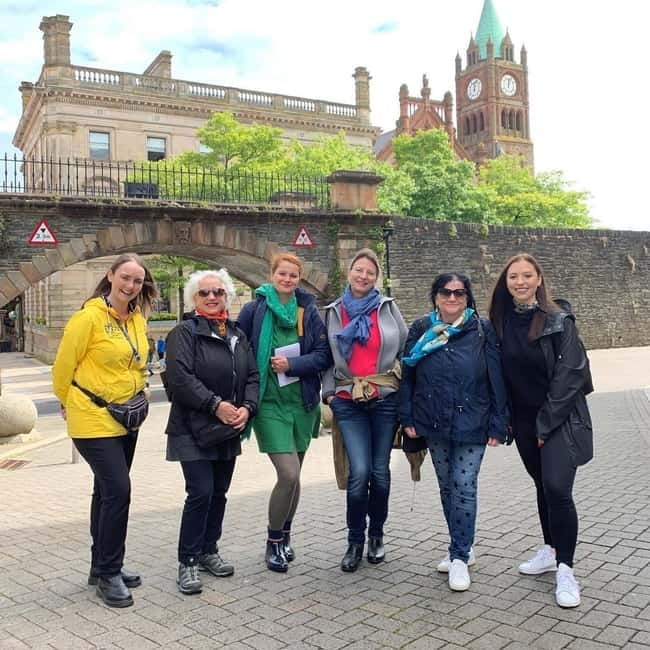
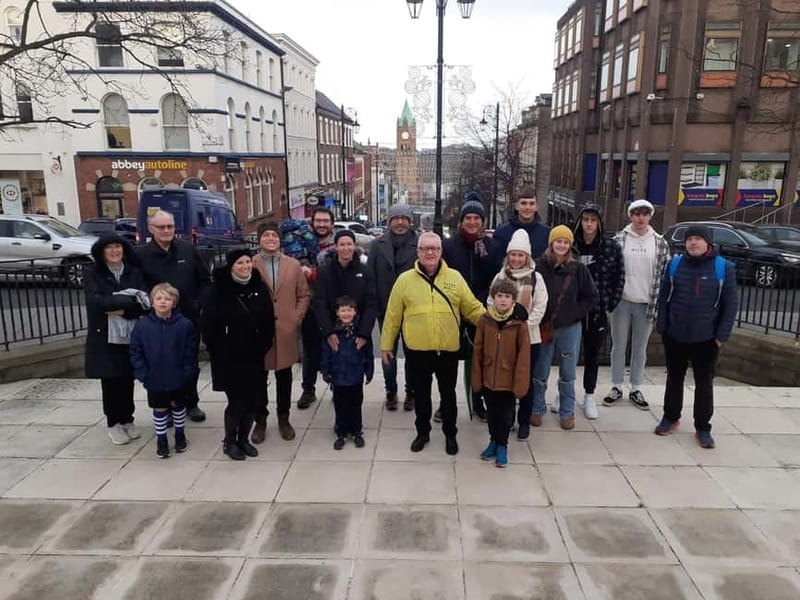
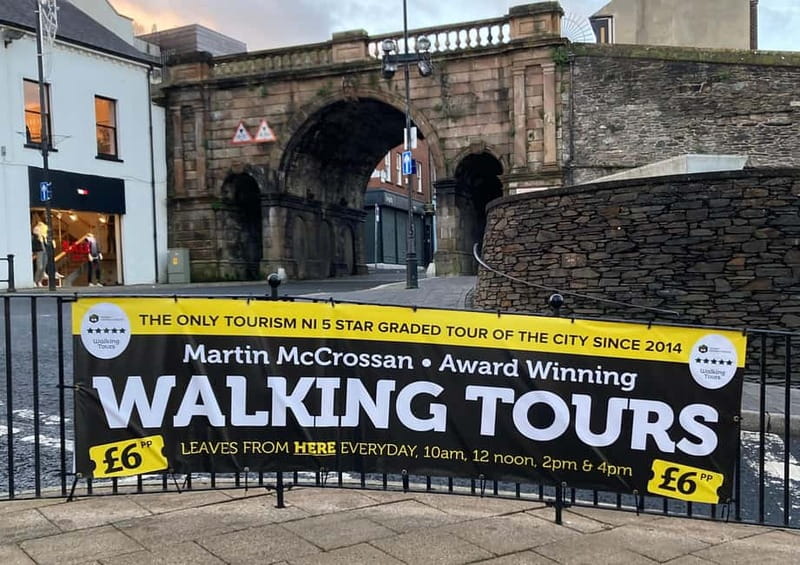
This is a straightforward, one-hour guided walk through the historic core of Derry/Londonderry—short enough to fit even a packed itinerary, but long enough to feel like you gained real bearings. The tour starts at the banner outside Level 4 of Foyleside shopping centre, and it ends at The Diamond, which is a nice finish because you can keep exploring right after.
The biggest reason the walls work so well is that they force you to see Derry as a place built for defense and control. You’re not just reading about old conflicts—you’re standing where the city once needed visibility and protection. When the guide brings up the Siege of Derry or later unrest, the geography suddenly makes sense.
The walk includes long stretches with viewpoints, plus a handful of stops where you can look at specific landmarks. Wear comfortable shoes and keep your expectations realistic: this is not a sit-and-watch lecture. You’ll be moving and listening at the same time.
You can also read our reviews of more walking tours in Londonderry Derry
The Church Stops: How the Landmarks Anchor the Timeline
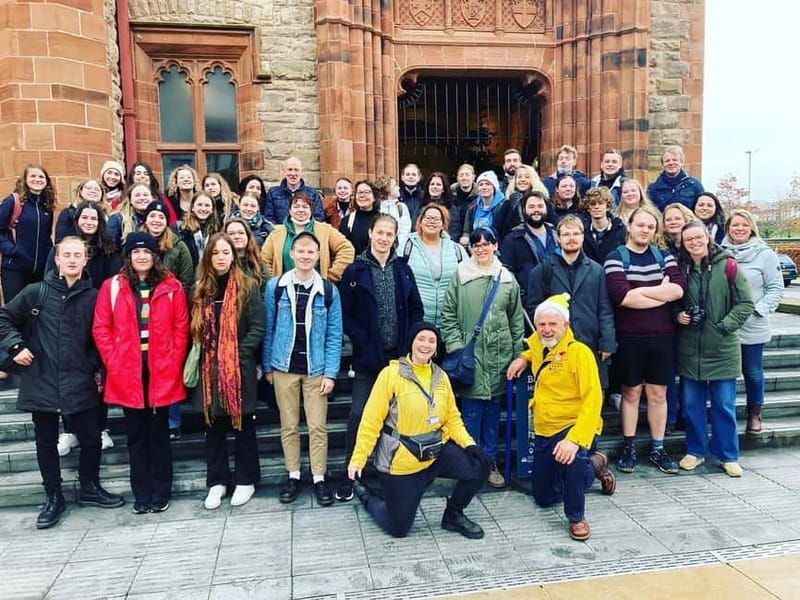
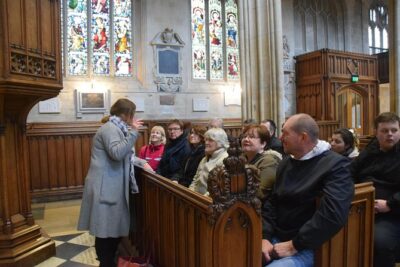
One of the strongest parts of the experience is how it uses religious buildings as time markers. Instead of treating the churches like decorative sightseeing, the guide positions them within the changing story of the city—who held power, who felt threatened, and how community identity got reinforced.
Here are the stops that define the tour’s core:
St Columbs Cathedral (the oldest building inside the walled city)
This is a key moment. The tour calls out St Columbs Cathedral as the oldest building within the walls, which gives you an instant sense of how far back Derry’s civic life goes. It’s not just an old structure; the guide uses it to frame long-running community roots.
St Eugene’s Cathedral
You’ll see it as part of the tour’s bigger “religion and identity” thread—how different traditions shaped the city’s neighborhoods and politics.
St Columba’s Long Tower
This long, recognizable landmark helps break up the walk while still keeping the historical narration steady. It’s the kind of stop that makes you look up and connect the skyline to the story.
St Augustine’s
Again, this is about pattern and contrast. The guide uses these landmarks as practical anchors so you remember where you are when history gets more complicated.
First Derry Presbyterian Church
This stop rounds out the sense that the city’s social fabric isn’t one-note. The narration ties the churches into the wider themes of settlement, community life, and political tension.
If you’re the type who likes to understand a place through its landmarks, this tour delivers. If you’re only looking for sweeping scenic photos, you’ll still get views—but you’ll also get context you can’t easily find on your own in an hour.
Siege of Derry, Plantation, and Emigration: The Story Without the Guesswork
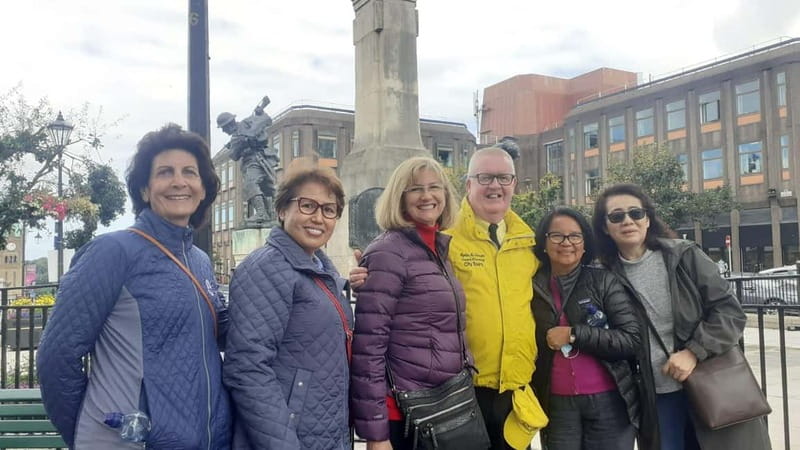
The tour’s history section doesn’t feel random. It moves in a way that helps you connect cause and effect: settlement patterns, economic change, and the eventual flashpoint moments.
You’ll hear about:
- Emigration and why people left (and what that means for a city’s later identity)
- The Plantation—the historic scheme that reshaped power and demographics
- The Siege of Derry, a pivotal turning point people still refer to when talking about loyalty, resistance, and memory
A useful way to think about this part: the guide gives you enough structure that you can follow later headlines, museum captions, or neighborhood signage without feeling lost. You’ll leave with a “timeline in your head,” which makes independent exploring much easier.
One caution: history here is layered and emotional. The guide handles it in an even tone, and you’ll still feel the gravity. Plan for the hour to feel heavier than, say, a typical “old-town highlights” walk.
WWII, Apprentice Boys, and Marching Traditions: Local Meaning, Not Just Dates
Derry’s role in World War II is one of the tour’s highlights because it connects local geography and local stakes to major world events. That helps prevent the city’s history from feeling stuck in the past. You’ll hear why Derry mattered during that era and how the city’s identity kept evolving.
Then you’ll shift into traditions tied to the Apprentice Boys and marching culture. This is where the tour becomes more than monuments. Traditions are how communities carry memory forward, sometimes peacefully, sometimes with tension. The guide explains what these customs mean and why they still surface in civic life.
What I like about this approach is that it avoids treating marches as a “spectacle” for outsiders. You get the cultural logic first, then you get the story behind the emotions—so you understand why people care.
Bogside and Bloody Sunday: What You’ll See From the Viewpoints
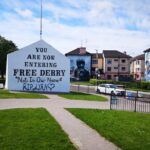
The tour gives you access to the visual side of modern political history without pretending it’s simple. You’ll look over toward the Bogside and learn about Bloody Sunday, including the stories behind the murals you can see from the area.
You should expect two things here:
1) Mural viewing from viewpoints
The tour focuses on seeing murals in the Bogside and Fountain areas and hearing the meaning behind them.
2) A clear explanation of why the memory stays alive
This is not just a story of what happened. It’s about what people remember, how they express it, and how public space becomes part of the argument.
The practical value for you: if you plan to visit a museum or memorial afterward, this tour acts like a briefing. You’ll understand what themes to look for and which details matter most.
Price and Value: Why $11 for a Live Guide Actually Makes Sense
At around $11 per person for a 1-hour live guided experience, this tour is priced like a practical deal, not a premium “you’re paying for vibes” product. You’re getting:
- A guided walk along historic walls
- Multiple landmark stops inside the walled city
- Context-heavy explanation (Siege, Plantation, Emigration, WWII, Bloody Sunday)
- Mural viewpoints tied to modern political history
- The chance to leave with a map in your mind, not just photos on your phone
Even if you’re spending carefully, this is one of those “small ticket, big comprehension” choices. The main risk isn’t cost—it’s fit. If you hate walking or you want a totally light, funny tour with zero heavy content, this may feel like too much. But if you want to understand Derry quickly and responsibly, it’s strong value.
Logistics That Matter: Meeting Point, Hearing, and Walking Comfort
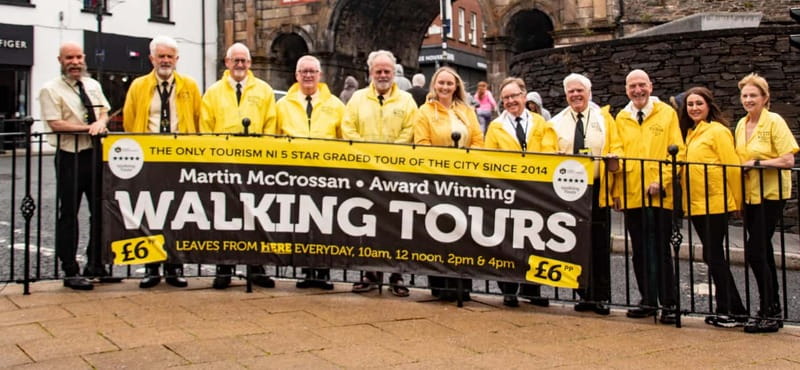
The meeting point is the only part that can feel a bit fiddly. The tour begins at a banner outside Foyleside shopping centre (on the railings). You might also see references to 11 Carlisle Road, so don’t panic if something looks different on the screen. The reliable move is to head to the shopping centre area and find the banner.
Arrive about 10 minutes early so you don’t start stressed. The tour is timed, and once you’re walking, there’s no pausing the story.
For hearing: at least a few people noted the guide can speak quickly or with accents that take a moment to adjust to. If you know you struggle in group settings, get nearer the guide at the start and keep your phone brightness low so you’re not tempted to tune out.
And yes, the weather changes fast here. Bring weather-appropriate clothing and expect uneven ground around historic areas.
Who This Tour Is For (and Who Might Skip It)

This tour is a great match if you:
- Want a first visit to Derry and you’d like a guided “orientation in history”
- Like learning from a live guide with explanations tied to what you’re seeing
- Appreciate respectful context around sensitive events like Bloody Sunday
- Plan to do additional exploring afterward (museums, murals, walking on your own)
You might skip it if you:
- Want a slow, casual stroll with minimal listening
- Dislike tours that cover tense political history in real terms
- Need frequent breaks for accessibility reasons beyond general wheelchair access (the tour is listed as wheelchair accessible, but you’ll still be on a walking route)
Should You Book McCrossan’s Derry Walls Tour?
I think you should book it if your goal is to understand Derry quickly and get your bearings inside the walled city. In an hour, you’ll connect the walls, the churches, the Siege story, WWII context, and the modern murals into one coherent mental map. That kind of compressed clarity is hard to recreate solo without spending extra time piecing things together.
Book it sooner rather than later in your trip. Go on this first, then use what you learned to guide where you spend your next hour—especially if you want to keep exploring the Bogside area and the museums that deepen the stories.
If you’re comfortable walking for an hour and you want history explained with respect and a bit of humor, this is a strong use of time in Derry.