REVIEW · BORDEAUX
Bordeaux: Guided Walking Tour
Book on GetYourGuide →Operated by OFFICE DE TOURISME DE BORDEAUX · Bookable on GetYourGuide
Bordeaux turns into a story on foot. This 105-minute guided walk is a smart way to learn the city’s layout and spirit fast, especially as it moves from Place des Quinconces to the Place de la Bourse reflecting pool. I also like that the tour is built for real sightseeing pace, not a marathon. One caution: the bilingual format means you may hear some points twice, and in a noisy or rainy moment it can get harder to catch every detail.
You’ll meet your guide at the Bordeaux Tourist Office on Cours du 30 Juillet and then get a guided route through the UNESCO-designated core. It’s a history-and-architecture walk that also points you toward the city’s ongoing cultural and economic changes—so you don’t just memorize names, you learn how Bordeaux works.
In This Review
- Key highlights and why they matter
- Getting oriented at Cours du 30 Juillet
- Place des Quinconces: Bordeaux’s big-square statement
- From neo-classical avenues to the Grand Théâtre
- Saint-Pierre streets: old Bordeaux at walking speed
- UNESCO in human terms: what the guide is really doing
- Place de la Bourse: the reflecting pool moment
- Garonne River bridges: romance with a viewpoint payoff
- Language setup: bilingual in the morning, French-only on Saturday afternoons
- Price and value: is $17 worth 2 hours?
- Who this walk fits best (and who should skip it)
- Should you book this Bordeaux guided walking tour?
- FAQ
- Where does the Bordeaux guided walking tour start?
- How long is the tour?
- Is the tour bilingual?
- What should I bring?
- Are luggage or large bags allowed?
- What time should I arrive?
- Is free cancellation available?
Key highlights and why they matter
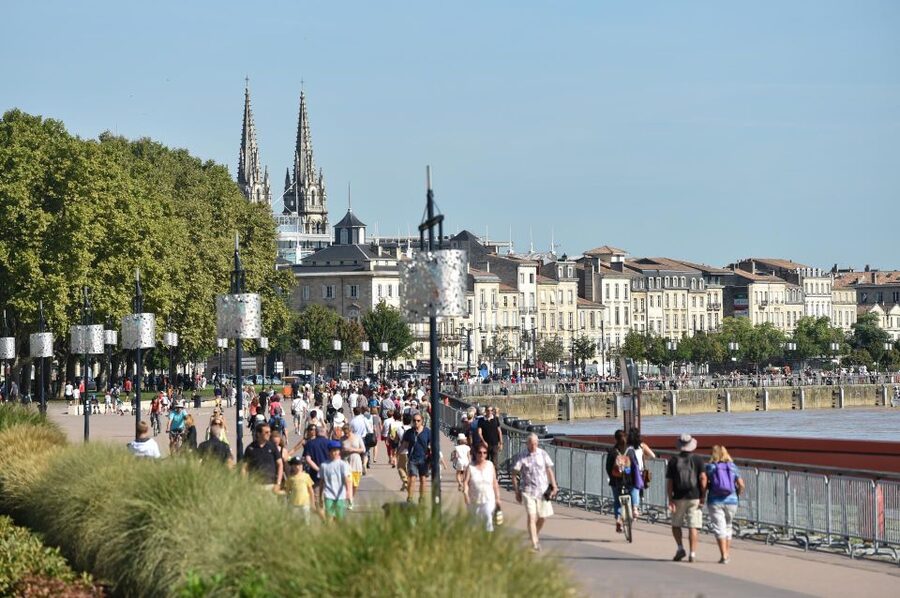
- Place des Quinconces: One of Europe’s biggest squares, ideal for understanding Bordeaux’s scale
- Place de la Bourse reflecting pool: A photo-worthy pause tied to the city’s urban design
- Old Town lanes: Narrow, paved streets and small shops that make Bordeaux feel human-sized
- Garonne River bridges: Romantic crossings that connect the city to the river’s story
- Bilingual morning option: French/English touring in the morning, with French-only in the afternoon on Saturdays
- Short and focused: About 2 hours—great when you have limited time but want structure
Getting oriented at Cours du 30 Juillet
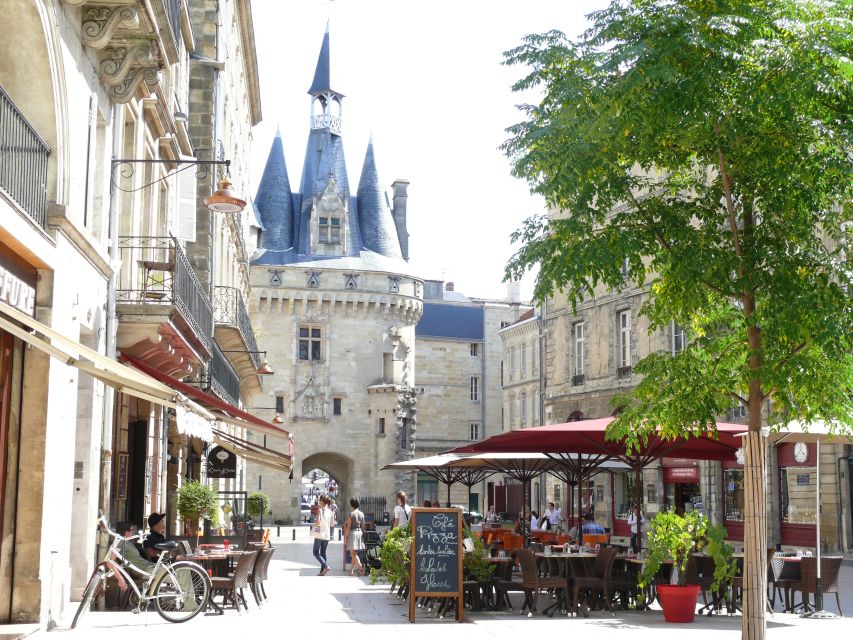
The tour starts at the Bordeaux Tourist Office on Cours du 30 Juillet. I like this because you’re beginning in an easy-to-find, central area, and you can immediately absorb the city’s rhythm before you head into the older streets.
You’ll want to show up 10 minutes early with your downloaded or printed e-ticket, since entry for each person is required. Wear comfortable shoes; you’ll be on paved sidewalks and uneven old-town bits for most of the route.
One practical note: no luggage or large bags are allowed. If you’re traveling with a big suitcase, plan to stash it at your hotel first so you can walk hands-free and enjoy the stops.
You can also read our reviews of more walking tours in Bordeaux


Place des Quinconces: Bordeaux’s big-square statement
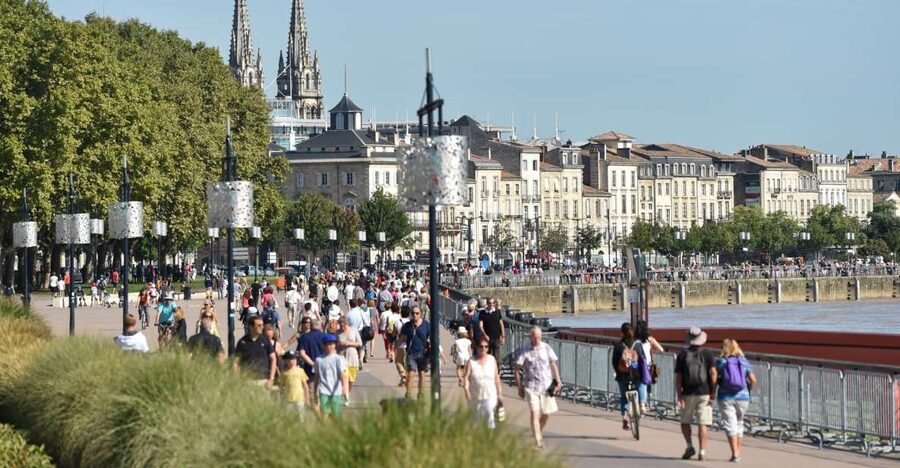
One of the first wow moments is Place des Quinconces, described as among the largest squares in Europe. Instead of treating it like a random open area, the tour uses it to explain how Bordeaux planned space—thinking in grand scale, not just street corners.
Why this matters for you: once you see how the city organizes major public space, the rest of the walk makes more sense. You start spotting the logic behind where grand buildings sit, where avenues pull you forward, and why certain parts of town feel more formal while others feel tight and lived-in.
Also, the guide frames the tour as part sightseeing, part urban story. You’re not just looking at architecture—you’re learning how Bordeaux’s Enlightenment-era ideas influenced the city’s layout and public spaces.
From neo-classical avenues to the Grand Théâtre
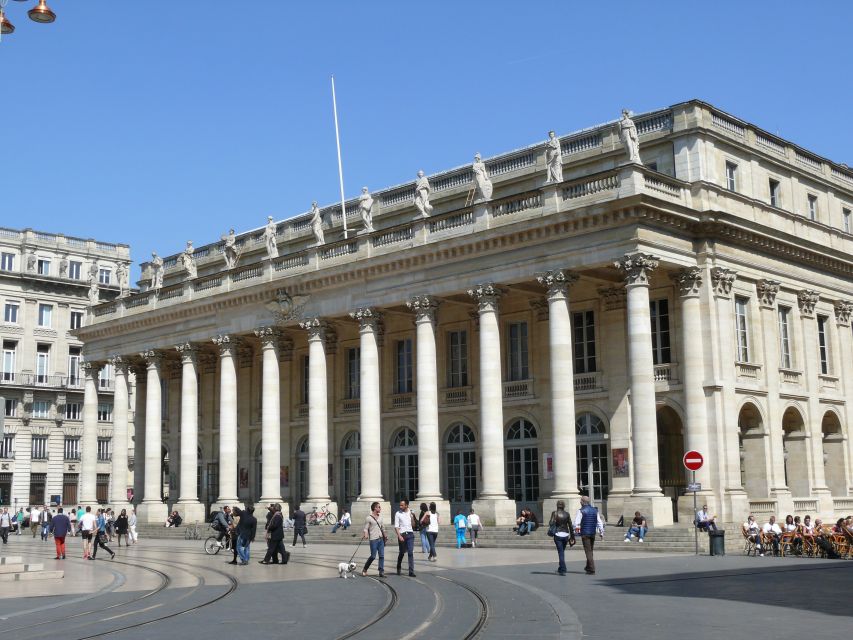
After the big-square perspective, you move through Bordeaux’s more monumental side—neo-classical neighborhoods with wide avenues, mixed with public landmarks like theaters and town-hall spaces. This stretch helps you understand how Bordeaux can feel both elegant and layered, depending on where you stand.
The Grand Théâtre is a key visual anchor on the walk. It’s the kind of building that instantly signals Bordeaux’s confidence as a major city, and the tour helps connect it to the wider historical and cultural story—so it’s not just a pretty facade you pass by.
If you enjoy architecture that tells you something about power, taste, and planning, you’ll probably get a lot out of this part. If you’re mainly chasing photos, still stop for a minute—because the building’s setting in the streets around it shows up better once you understand the surrounding plan.
Saint-Pierre streets: old Bordeaux at walking speed
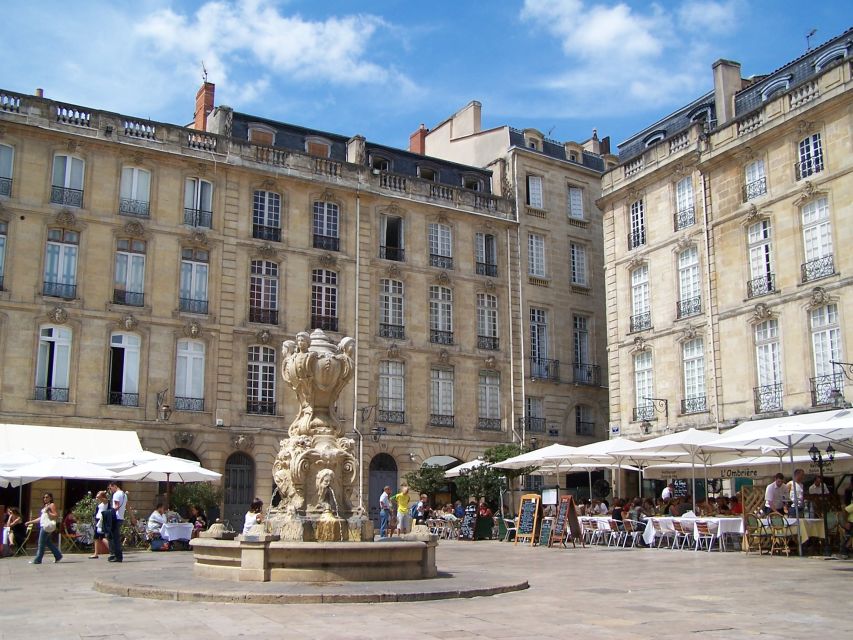
The mood shifts as you head toward the Saint-Pierre neighborhood—the kind of area where the city compresses into narrow paved streets. You get small-shop energy, tighter corners, and a more intimate feel than the broad avenues earlier in the tour.
I like this part because it teaches you how to read the city as a pedestrian, not a driver or a subway rider. A couple of key ideas help you here: how streets bend, how blocks connect, and why certain squares and courtyards feel tucked away.
The tour’s pace is also built for people who don’t want an endurance event. It’s long enough to connect the dots, short enough that you still have energy afterward for independent exploring—coffee breaks, browsing, and wandering without feeling rushed.
UNESCO in human terms: what the guide is really doing
This tour is designed around Bordeaux’s status as a UNESCO World Heritage city, but it doesn’t treat UNESCO like a label. Instead, it explains why the historic core matters and how the city’s planning and ideas shaped what you see today.
A strong part of the experience is how the guide connects past and present. The walk references new economic and artistic projects and frames them as part of Bordeaux’s ongoing transformation, not as something separate from the old stones.
You also get the Enlightenment context, which helps explain why the city’s public spaces and grand buildings feel like they have a “system.” Even if you don’t call it history class, the result is practical: you’ll return to Bordeaux’s center and recognize relationships between neighborhoods, squares, and major institutions.
Place de la Bourse: the reflecting pool moment
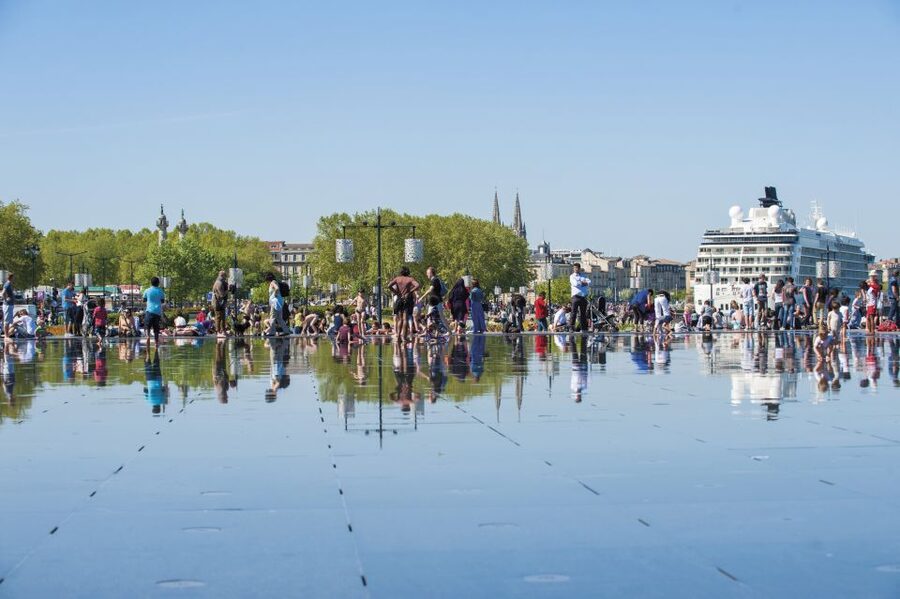
The walk reaches the Place de la Bourse reflecting pool, one of Bordeaux’s most cinematic public spaces. It’s the kind of stop where you can take a photo, yes—but the tour adds value by explaining the purpose of the setting and how it fits into the city’s broader urban design.
This stop is useful because it’s a natural break in the circuit. You get a chance to slow down, re-check your bearings, and let what you learned earlier land in your mind: the city’s planning shows up in how these spaces frame views and movement.
If you’re visiting for the first time, I’d treat this as your “I get it now” checkpoint. By the time you reach the reflecting pool, you’ve already seen the big open square logic and the theatrical monument logic, so the Bourse stop clicks into place.
Garonne River bridges: romance with a viewpoint payoff
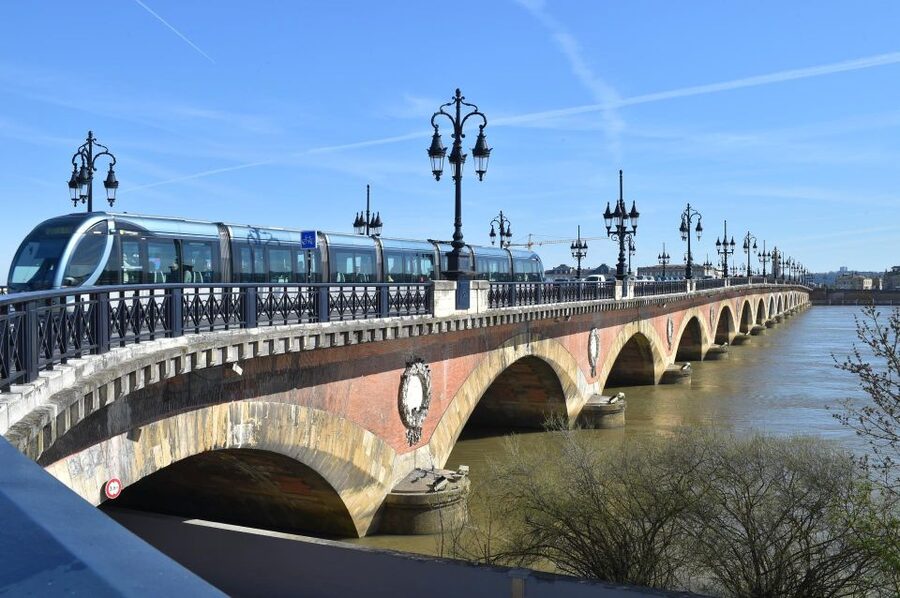
The tour ends up at the Garonne River area, including its romantic bridges. Even if you’ve seen river bridges in other cities, Bordeaux’s crossings feel different because the walk has already trained you to notice the city’s structure.
Why bridges matter on a walking tour: they reveal connections. You’re not just looking at architecture anymore—you’re seeing how Bordeaux relates to its waterfront and how movement across the river fits into the city’s overall shape.
Expect the guide to connect scenery to story. That makes it easier to appreciate what you’re seeing without needing to memorize dates. Take a few minutes here to look back at what you walked through earlier—your mental map snaps together.
Language setup: bilingual in the morning, French-only on Saturday afternoons
Language is the one thing that can make or break your experience on a tour like this. It’s bilingual French/English in the morning, but in the afternoon on Saturdays it’s only French.
In past groups, guides such as Bruno and Alcides were praised for repeating or clarifying points in English when needed. That’s reassuring if you’re not fluent—but it’s still smart to choose a morning slot if you want the most consistent English coverage.
One practical tip: if you’re sensitive to hearing issues, stand where you can face the guide when the group stops. A couple of people noted that rain or volume made it harder to catch everything, so posture matters.
Price and value: is $17 worth 2 hours?
For $17 per person and around 105 minutes to 2 hours, this is strong value if you’re short on time and want a structured way to understand Bordeaux. The key is not the cost alone—it’s the fact that you’re paying for interpretation: how the squares, streets, and major landmarks connect.
This tour tends to work best as a first-day or first-two-days activity. When you learn the city’s “why,” you can wander later with more confidence instead of only following guidebook captions.
Also, the tour includes just a guide and walking time, which keeps it focused. You’re not stuck waiting around; you’re moving, stopping, and learning enough to steer your next steps on your own.
Who this walk fits best (and who should skip it)
This tour fits you if:
- You want a quick, organized introduction to Bordeaux’s center
- You like architectural explanations tied to real streets and squares
- You prefer a paced walk over museum-style time
It may feel less ideal if:
- You need every second to be in English and you’re booking a Saturday afternoon (French-only)
- You don’t enjoy tours where bilingual commentary might repeat parts of the story
- You dislike group walking when weather turns loud or slippery
From the guides’ track record, names like Christine and Alcides have been singled out for making people feel included and answering questions patiently. That’s a good sign for first-timers who might feel shy asking directions or history questions.
Should you book this Bordeaux guided walking tour?
Yes—if you’re visiting Bordeaux for the first time and you want a guided route that connects big public squares, old-town streets, and river views into one clear story. The price is modest for the time you get on the ground, and the stops are exactly the kind you’ll want to see again later when you wander independently.
Book the morning if you care about English coverage, and wear shoes that can handle long sidewalks and old-stone paths. If you want the best experience, show up early, keep your hands free (no large bags), and take a few minutes at Place de la Bourse and the Garonne area to let the city settle into your mental map.
FAQ
Where does the Bordeaux guided walking tour start?
You meet at the Bordeaux Tourist Office on Cours du 30 Juillet.
How long is the tour?
It runs about 105 minutes (about 2 hours).
Is the tour bilingual?
The tour is bilingual (French/English) in the morning. In the afternoon on Saturdays, it’s only French.
What should I bring?
Bring comfortable shoes for walking.
Are luggage or large bags allowed?
No—luggage or large bags are not allowed.
What time should I arrive?
Arrive 10 minutes before departure, and have the downloaded or printed e-ticket ready for each person.
Is free cancellation available?
Yes. You can cancel up to 2 days in advance for a full refund.