REVIEW · HUE
3-Hours Hue Imperial Walking Tour with Guide with Lunch/ Dinner
Book on Viator →Operated by Hue Local Tour · Bookable on Viator
Hue’s Forbidden Purple City makes you slow down. You’ll get a tight, guided route through the Imperial City’s must-see spots with photo-friendly stops and stories about the Nguyen emperors that connect the buildings to real power and big political changes. One thing to consider: the tour can feel more like guided storytelling than a deep, academic lecture, so come with a few questions if you want extra detail.
I like that this walking format helps you get your bearings fast. The English-speaking guide keeps the flow moving (and includes bottled water), and the itinerary is built to cover a lot in about 3 to 4 hours without making you fight the layout on your own.
For value, the setup is strong: lunch or dinner is included at a set point, and group size is capped at 8. The main catch is that the $9 entrance fee per person is not included, so your real total will be a bit higher once you add admissions.
In This Review
- Key takeaways before you go
- Hue Imperial City in 3–4 Hours: Why a Guide Helps
- Price and Logistics: What You’re Actually Paying
- Start Smart: Meeting Point and Choosing Morning for Fewer Crowds
- Nine Holy Cannons to Noon Gate: The Outer Court Story Gets Interesting Fast
- Flag Tower and Thai Hoa Palace: Ceremony Space, Not Just Architecture
- The Mieu Temple and the Nine Bronze Urns: Ancestors Are Part of the Design
- Hue Royal Palace: The Emperor’s Mother, the Library, and Daily Court Texture
- Hue Historic Citadel and the Forbidden Purple City: Where Court Life Happened
- Lunch or Dinner Included: Turning Time Into Energy
- Guide Style Matters: What to Expect and How to Get More Out of It
- Who This Tour Is Best For
- Private Tour Upgrade: When Personalization Is Worth It
- Should You Book This Hue Imperial Walking Tour?
- FAQ
- How long is the Hue Imperial Walking Tour?
- What does the tour cost?
- Is lunch or dinner included?
- Are entrance fees included?
- How big is the group?
- Do I need a special ticket to visit the sites?
- Where do I meet the guide?
- Where does the tour end?
- What happens if the weather is bad?
- Can I cancel for a refund?
Key takeaways before you go
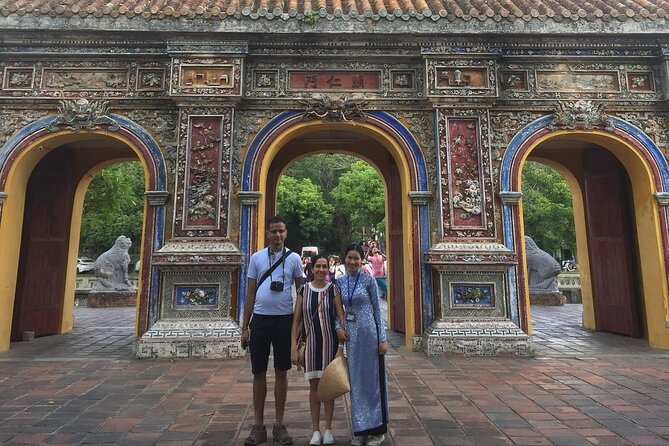
- Imperial City highlights in a short walk: you’ll hit the big ceremony and palace areas without wandering for hours
- Emperor-focused storytelling: you’ll hear why the dynasty rose, how it ran, and why it ended
- Small group cap (max 8): easier pacing and more chances to ask questions
- Morning option for fewer crowds: you get a calmer feel at the palace areas
- Lunch or dinner included: you’re not rationing time for food or hunting mid-tour
- Entrance fees are extra: budget about $9 so the math works out
Hue Imperial City in 3–4 Hours: Why a Guide Helps
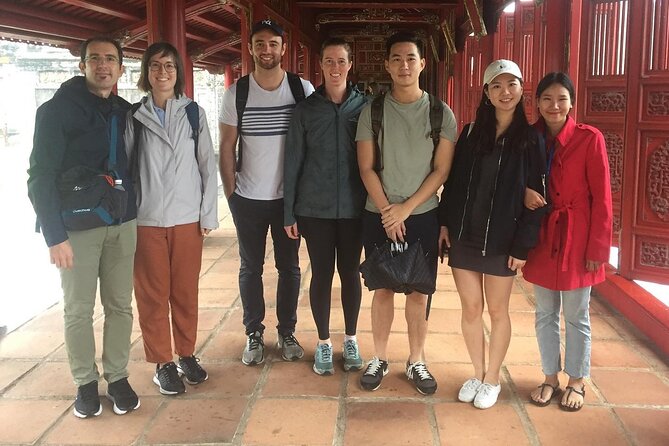
Hue’s Imperial City is not just one palace. It’s a whole system—gates, ceremonial spaces, ancestor worship areas, and the zones where court life happened. If you try to do it alone, you can end up seeing impressive stone and bronze without understanding what each place was for. A guide changes that fast.
This walking tour is designed as a “connector tour.” You’ll start at outdoor bronze artifacts and move through gates and palaces in a logical sequence. Along the way, your guide ties each site to the Nguyen dynasty’s rules, ceremonies, and daily life. That context is what makes the place feel real instead of just old.
You’ll also get practical pacing. Even though it’s a walking tour, it’s not a brutal march. The stops are short enough to keep energy up, but long enough for you to look closely, take photos, and hear how each space worked.
The big win here is efficiency. If you’re in Hue for a limited time, you still get the feel of the Imperial City’s main attractions in one go.
You can also read our reviews of more walking tours in Hue
Price and Logistics: What You’re Actually Paying
The tour price is $30 per person, and that includes the guide, bottled water, and lunch or dinner. It also runs about 3 to 4 hours, which matters because it’s time you’re buying back from scrambling around the complex.
What’s not included is the entrance fee—listed as $9 per person. So when you plan your budget, treat it as a package that lands closer to $39 before personal spending.
Another logistics detail that affects your day: the tour doesn’t end where it starts. You meet at 6 Đinh Tiên Hoàng, Phú Hòa, Huế, and you finish at Cửa Hiển Nhơn (Đoàn Thị Điểm area). That means you’ll want transport ready for the finish point, or a backup plan if you’re coming from elsewhere.
Finally, you’re capped at 8 travelers. That’s big enough to keep it lively, small enough that the guide can slow down if you stop to photograph something important.
Start Smart: Meeting Point and Choosing Morning for Fewer Crowds
If you can choose, I’d lean toward a morning tour. The tour is offered in the morning specifically so you can see the palace areas with fewer crowds. Even if you don’t mind people, the Imperial City feels more respectful and calmer when it’s not packed.
Timing also helps for photos. Early light can make bronze and pale stone look more textured, and fewer visitors means you spend less time waiting for a clear view.
At the meeting point (Đinh Tiên Hoàng), you’ll be starting in a normal city setting, not inside the complex. Once you’re with the group, the guide leads you in an efficient walking route, so you’re not spending your first hour lost.
One more thing: this is a “good weather” experience. If weather turns, it can affect whether the tour runs as planned. Plan to bring a light layer and something for sun or rain depending on the season.
Nine Holy Cannons to Noon Gate: The Outer Court Story Gets Interesting Fast
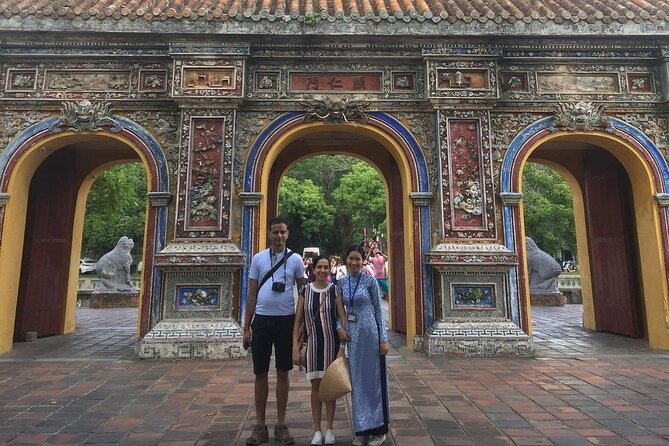
The tour begins with bronze power—literally. You start at the Nine Holy Cannons, described as nine cannons cast in Gia Long’s second year (1803). These are treated as some of the most valuable bronze works of art, and the guide’s job here is to help you understand what they represented. It’s not only about size and metal. It’s about the idea of military strength being displayed and ritualized.
Next comes the Noon Gate (Cua Ngo Mon). You’ll walk up to this gate built in 1833 in a traditional Vietnamese style under King Minh Mang. The key detail isn’t just the architecture; it’s how this gate was used. It’s described as a route for troop movements and ceremonies. Standing at a gate like this, you can see how the court’s public image and military function overlapped.
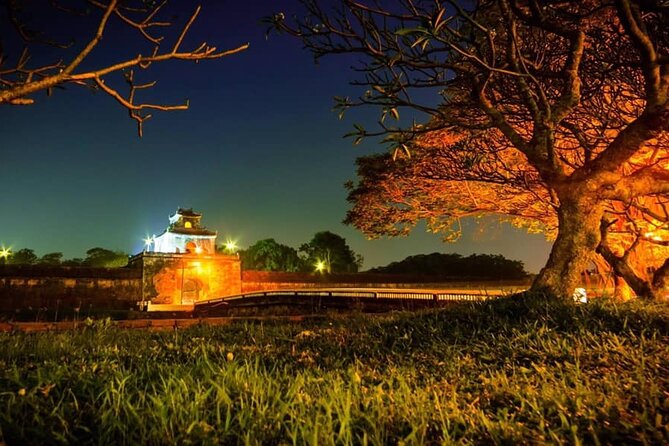
Then you move to the Flag Tower, located on the south face within the Nam Chanh fortress. The tour’s value here is that it explains symbolism. In many places, towers are just structure. Here, it’s the place to hang the royal flag of the court—so you’re learning what mattered visually to the imperial order.
A practical note: these early stops are mostly outdoor viewpoints and gates. If you’re sensitive to heat or glare, this is where you’ll feel it first—so bring sunscreen or a hat.
Flag Tower and Thai Hoa Palace: Ceremony Space, Not Just Architecture
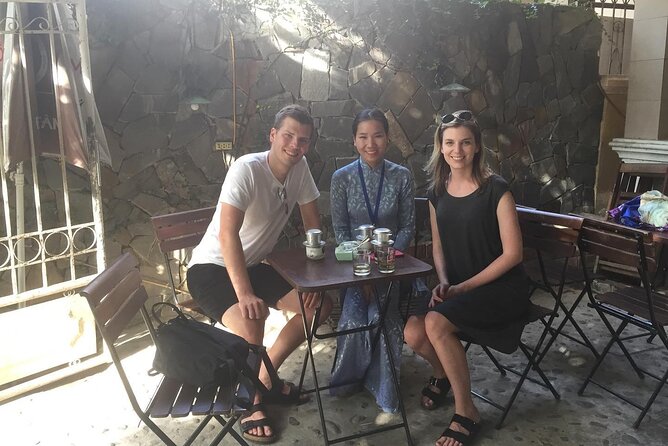
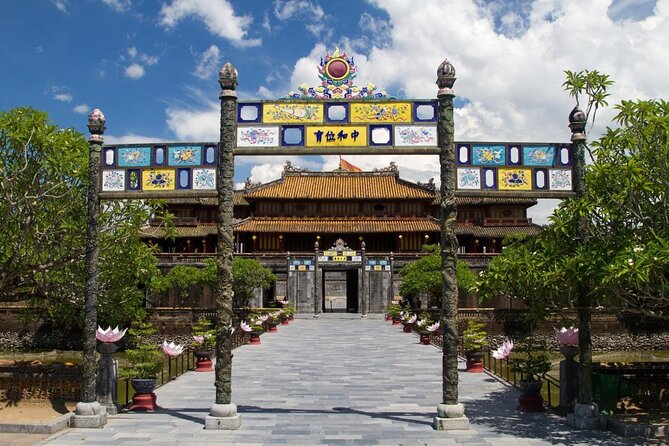
After the gate and tower stops, you’ll reach the Thai Hoa Palace. This is one of the ceremony heavyweights of the complex. The tour frames it as the coronation place of 13 Nguyen kings, from Gia Long to Bao Dai. That’s a big span of rule, which makes the palace feel like a timeline you’re walking through.
When I think about what makes a guide matter here, it’s this: Thai Hoa isn’t visually complicated compared to some grand palaces elsewhere. The power comes from what happened there—public authority, formal transitions, and the kind of state rituals meant to impress both insiders and the wider world.
You’ll get a short but pointed time here (enough for photos and orientation). The guide should also help you notice what’s aligned for ceremony: sightlines, entrances, and how the palace fits into the broader citadel plan.
If you love learning through stories, this is one of the stops where the tour tends to shine. Guides who go beyond facts and into what coronations meant can make your brain connect the building to real emotion—fear, legitimacy, and control.
The Mieu Temple and the Nine Bronze Urns: Ancestors Are Part of the Design
One of the most memorable parts of the route is the section connected to ancestor worship. You’ll see nine bronze urns in front of the Mieu Temple. These are commissioned by Emperor Minh Mang in the winter of 1835, inaugurated on March 1, 1837.
That timing detail matters because it connects the urns to a specific era rather than vague “old stuff.” It also helps you understand that the Imperial City’s artistry wasn’t just decorative. It was planned, dated, and linked to political and spiritual authority.
Then you arrive at the Mieu Temple, also called To Mieu, built in 1821. The tour describes it as a temple to worship 10 Nguyen kings. In other words, this isn’t a monument for one ruler. It’s an institution for continuity.
This is also where you might notice the most “quiet impact” of the tour. The guide’s stories can frame the temple as a living system—how the state honored rulers and kept their legitimacy moving forward.
One consideration: since this is a worship space, it can feel different than palaces used for public ceremony. Dress and behavior should match that. You don’t need to overthink it, but be respectful.
Hue Royal Palace: The Emperor’s Mother, the Library, and Daily Court Texture
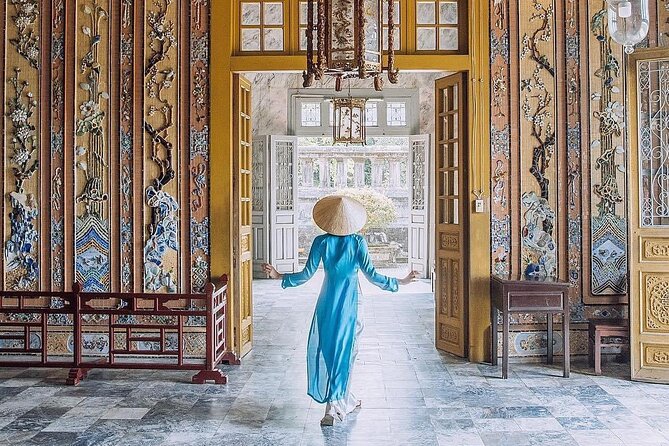
From ancestor worship, the route shifts into the kind of spaces that make the Imperial City feel human. You’ll reach the Hue Royal Palace, described as the emperor’s mother’s residence area, plus the Royal Library, Royal Lake, Royal Garden, and Royal Theater.
This stop is valuable because it widens the story beyond kings and armies. The guide should explain the role of the emperor’s mother in the court system, and why the palace zone included cultural and leisure elements like the theater, not just administrative buildings.
Here, it helps to slow down just a little even if the stop feels short. The garden and lake areas can be visually calming, and that contrast is useful for understanding the whole complex. Power wasn’t only expressed through weapons and gates. It was also expressed through controlled beauty, performance, and knowledge.
If you’re a fan of details, ask your guide what the Royal Library role would’ve been in court life. The tour data doesn’t guarantee a long answer, but a good guide will connect it to how rule worked day-to-day.
Hue Historic Citadel and the Forbidden Purple City: Where Court Life Happened

The tour’s longest segment on the day is the Hue Historic Citadel, including the Forbidden Purple City. This is described as part of the complex of the ancient capital of Hue, tied to daily life for kings, queens, minor wives, and concubines of the Nguyen emperors.
This is where the Imperial City becomes more than a set of landmarks. You start understanding it as a controlled world. Even if you don’t read every sign, the guide should help you picture the routines, hierarchies, and why parts of the citadel were meant to be restricted.
The term Forbidden Purple City can sound dramatic, but the tour context helps it land in a practical way: this area was designed to manage people, not just impress visitors. In a place like this, a guide’s storytelling is what prevents the whole citadel from blending together into one large wall.
A timing note: this is a bigger area, so your guide might pace you based on what you’re paying attention to—photo spots, particular architectural features, or the most important “what happened here” points.
Lunch or Dinner Included: Turning Time Into Energy
One of the smartest parts of this tour is that you’re not guessing when to eat. Lunch or dinner is included, so you can plan your day around the walking and then get a proper meal without hunting a restaurant mid-circuit.
That matters in Hue because the Imperial City can make you walk more than you expected. Having food already built into the plan helps you finish the afternoon feeling human, not just museum-tired.
I suggest you keep your expectations flexible about timing. The tour runs 3 to 4 hours, and that can shift slightly with pace and weather. But having the meal included makes it easier to keep the day smooth.
Guide Style Matters: What to Expect and How to Get More Out of It
The tour’s biggest strength is communication. The guide is described as excellent English-speaking, and the experience has attracted strong praise for storytelling about the emperors and for guides who handle pacing well.
You may run into different teaching styles, though. Some people appreciated very detailed emperor explanations and anecdotes tied to why the dynasty ended. Others wanted more history depth or clearer English. A small warning: one complaint mentioned the guide using a phone during the tour, which can cut down on engagement.
Here’s how to protect yourself from that. Come with one or two questions that you actually care about, like:
- Why is a specific gate used for ceremonies rather than defense?
- What was the practical purpose of a temple meant for multiple kings?
- How did the coronation process shape legitimacy?
If your guide is strong, those questions usually get better answers because you’re asking for meaning, not just facts. If the guide is more casual, your questions can still bring the experience back into focus.
Also, if your goal is maximum depth, you can ask for a slightly more chronological explanation—how things changed from Gia Long through Bao Dai. A good guide will adjust without making it awkward.
Who This Tour Is Best For
This Hue Imperial City walking tour is a great fit if you want:
- A fast, organized introduction to the complex
- Photo stops and clear orientation
- A guide who explains how emperors and court life connected to each building
- An easier day plan since lunch or dinner is included
It’s especially good for first-timers who feel overwhelmed in the citadel without a route. And if you’re traveling in a small group or just prefer a quieter experience, the max 8 travelers setup helps.
You might consider a different approach if you’re a hardcore history student who expects a lecture-level deep dive. This tour is built as an overview with story, not a full academic syllabus.
If you’re sensitive to language clarity, do your homework. The tour is marketed as English-speaking, but quality can vary by guide and conditions. In practice, if you need very specific language support, ask about that before you go.
Private Tour Upgrade: When Personalization Is Worth It
You can upgrade for a private tour. That’s the option to choose if you want less waiting, more flexibility, and more time at the places that genuinely interest you.
Private tours usually help if:
- Your group has different pacing needs
- You want a deeper conversation about one or two sites (like Thai Hoa Palace or the Forbidden Purple City)
- You don’t want to keep questions short because the group is moving
If you’re someone who likes to linger, private can also turn the tour from a quick overview into a calmer, more detailed visit.
Should You Book This Hue Imperial Walking Tour?
Yes, if you want a smooth, efficient route through Hue’s most important imperial sites with a guide who can make emperors and court spaces feel connected. The included lunch or dinner, the small group size (max 8), and the focus on ceremony and storytelling are strong value points.
Book it with a couple smart expectations:
- Budget for the $9 entrance fee you’ll need on top of the $30 tour price.
- If you care about deep history, bring a few targeted questions to guide the conversation.
- Plan transport for the fact that the tour ends at Cửa Hiển Nhơn area, not back at your start point.
If you want a guided “great overview” that helps you actually understand what you’re looking at, this is one of the better ways to see the Imperial City without wasting your trip.
FAQ
How long is the Hue Imperial Walking Tour?
It runs about 3 to 4 hours.
What does the tour cost?
The price is $30 per person.
Is lunch or dinner included?
Yes. Lunch or dinner is included with the tour.
Are entrance fees included?
No. Entrance fees are not included and are listed as $9 per person.
How big is the group?
This tour has a maximum of 8 travelers.
Do I need a special ticket to visit the sites?
You’ll need to pay entrance fees separately. The tour itself includes the guide, bottled water, and the walking route.
Where do I meet the guide?
The meeting point is at 6 Đinh Tiên Hoàng, Phú Hòa, Huế.
Where does the tour end?
It ends at Cửa Hiển Nhơn (Đoàn Thị Điểm area).
What happens if the weather is bad?
This experience requires good weather. If it’s canceled due to poor weather, you’ll be offered a different date or a full refund.
Can I cancel for a refund?
Yes. Free cancellation is offered if you cancel up to 24 hours in advance for a full refund.