REVIEW · BARBADOS
Walking Tour of Historic Bridgetown
Book on Viator →Operated by Discover Heritage Tours · Bookable on Viator
Bridgetown history comes at street level. This small-group walking tour threads Barbados’s big story through the city’s most important public spaces, with a historian guide leading the way. You get snacks and cold bottled water, plus enough context to understand what you’re seeing instead of just snapping photos.
I especially like the small group size, capped at 10 people, which makes it easy to ask questions and keep the pace comfortable. I also like the tour’s mix of national symbols and religious sites, so you leave with a cleaner picture of how independence, community, and early settlement all connect.
One possible drawback: the route stays in central Bridgetown around the civic core, so if you’re hoping for a wider scatter of neighborhoods, you might want to set your expectations. Also, while the tour is listed around 2 hours 30 minutes, it can run longer depending on the group and questions—so plan a bit of breathing room.
In This Review
- Key Things That Make This Tour Worth Your Morning
- Why This Historic Bridgetown Walk Feels Different From a Usual Sightseeing Loop
- The 2.5-Hour Plan: How the Walk Moves and What to Expect
- Stop by Stop: What You’ll Learn at Each Spot
- Stop 1: Errol Barrow Statue
- Stop 2: Independence Arch
- Stop 3: National Heroes Square
- Stop 4: Nidhe Israel Synagogue and Museum (You Don’t Go Inside)
- Stop 5: The James Street Methodist Church
- Stop 6: Jubilee Gardens
- Stop 7: Chamberlain Bridge and the Boardwalk Approach
- Guides: Why the Storytelling Matters (and Who You Might Get)
- Comfort, Heat, and Small Extras That Actually Help
- Price and Value: Does $38 Buy You Something Real?
- Who This Tour Suits Best
- Practical Details You’ll Want Before You Go
- Should You Book This Historic Bridgetown Walking Tour?
- FAQ
- How long is the Walking Tour of Historic Bridgetown?
- What time does the tour start?
- How much does the tour cost?
- How big is the group?
- What’s included in the tour?
- Does the tour enter Nidhe Israel Synagogue?
- Is transportation provided?
- Is the walking strenuous?
- What happens if the weather is bad?
Key Things That Make This Tour Worth Your Morning
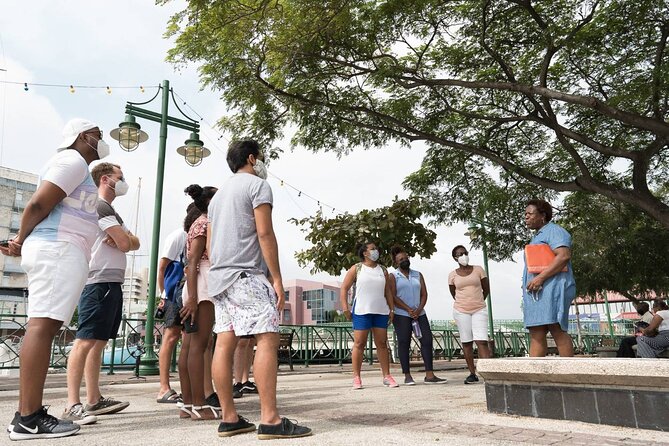
- Historian-guided storytelling that connects monuments to real people and events
- Small group cap of 10 for a more personal back-and-forth
- Cold bottled water and small snacks to handle the heat and keep energy up
- Iconic Independence-to-government sights, plus cultural stops like Nidhe Israel
- Flat, walkable route that works for most visitors
- Route focus on the old center, not far-flung areas of the city
Why This Historic Bridgetown Walk Feels Different From a Usual Sightseeing Loop
Barbados can be simple when you’re on the beach, then suddenly complicated once you start reading about independence, identity, and the people who built the island. This tour helps you make sense of that shift.
The biggest reason I’d recommend it is the guide format. You meet a resident historian, and you don’t just get dates. You get stories—sometimes serious, sometimes funny—that explain what the town tried to remember and what it had to move past. That makes the places easier to spot later on your own.
Another plus is timing. The tour starts at 9:30 am, which is a smart way to beat the worst heat and crowds. Bridgetown can feel fast once the day warms up, so starting earlier helps your brain stay alert enough to take it in.
Finally, this is good value for the money because you’re paying for a guided educational walk with included refreshments, not a bare-bones walk-and-point tour. At $38 per person and with a maximum group size of 10, it’s one of those experiences that doesn’t feel like you’re being processed.
You can also read our reviews of more walking tours in Barbados
The 2.5-Hour Plan: How the Walk Moves and What to Expect
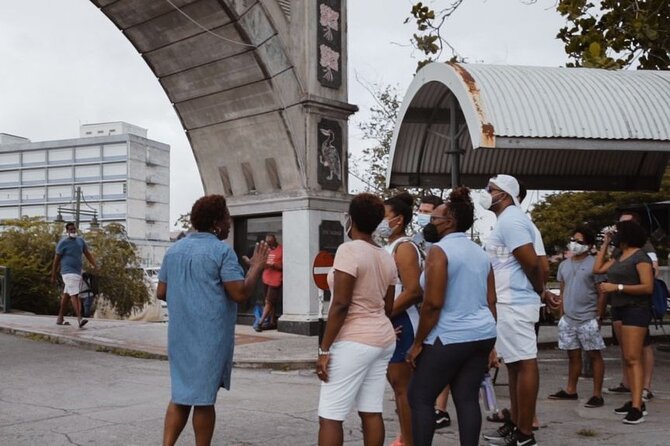
The tour runs about 2 hours 30 minutes, and it ends back at the same meeting point. The pacing is designed for a normal walking rhythm, with stops that are long enough for the story to land.
You’ll also notice there’s no big “bus segment” built in. The whole experience is meant to feel like you’re walking through layers of the city: independence-era symbolism, early religious life, civic monuments, and the waterfront approach near Chamberlain Bridge.
Because it’s outdoors, weather matters. The tour requires good conditions, and if weather forces a change, you’re offered an alternative date or a full refund. So if you’re scheduling tight beach time, I’d treat this as a morning anchor and keep a later slot available.
Stop by Stop: What You’ll Learn at Each Spot
Stop 1: Errol Barrow Statue
You start with Errol Barrow, often called the Father of Independence. Meeting here sets the tone. Instead of launching into random facts, the guide frames Barbados’s independence story as something rooted in real leadership and civic changes—not just a single event.
Even if you already know the broad outline, this opening gives you a reference point. It makes the later monuments make more sense, because you’ll understand what they were trying to communicate.
Stop 2: Independence Arch
Next comes the Independence Arch, one of those places that looks straightforward until someone explains why it matters. You’ll get the context behind its role in the city and how it’s tied to national pride and public memory.
This is a good stop for photos, but the real value is that you’ll understand what you’re photographing. The arch stops being decoration and becomes a message in stone.
Stop 3: National Heroes Square
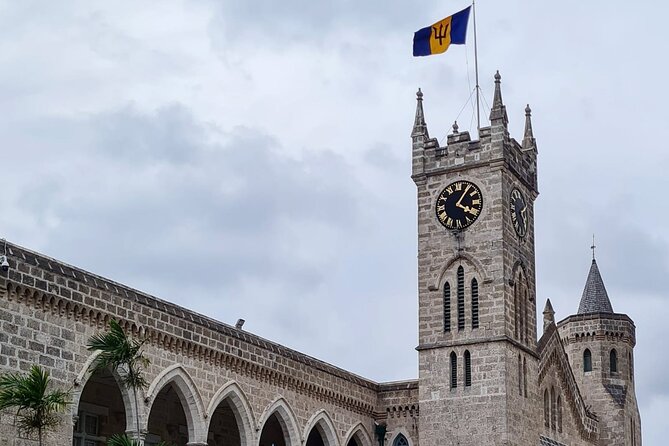
From there, you walk into National Heroes Square, where the focus shifts from symbolism to names and monuments. Your guide points out the significance of what you see and why it’s arranged the way it is.
This segment works well if you like history with structure—people, institutions, and the way a society decides who deserves to be remembered in a public space.
Stop 4: Nidhe Israel Synagogue and Museum (You Don’t Go Inside)
You’ll stop at Nidhe Israel Synagogue and Museum, but the tour does not enter the synagogue. Still, you’ll get a guided explanation of the attraction and the surrounding monuments.
Even from outside, the site offers an important lesson about Barbados’s cultural threads beyond the most obvious civic monuments. If you enjoy architecture, inscriptions, and the way heritage is displayed in public space, this stop is a nice contrast.
Stop 5: The James Street Methodist Church
Next is The James Street Methodist Church, where the guide brings out the role of Methodist life in early Barbados. This is the kind of stop that changes how you see “old churches” in general. Instead of treating them like background scenery, you get a sense of what they meant to early community life.
This stop also helps break up the tour emotionally and visually. It’s not only monuments and government—there’s community history here too.
Stop 6: Jubilee Gardens
At Jubilee Gardens, the stories turn slightly more local. The guide focuses on the surrounding area, which helps you understand Bridgetown not just as a museum of monuments, but as a living city with spaces people used for daily life.
If you like small urban details—where people gather, how the city shapes movement—this is a helpful mid-tour reset.
Stop 7: Chamberlain Bridge and the Boardwalk Approach
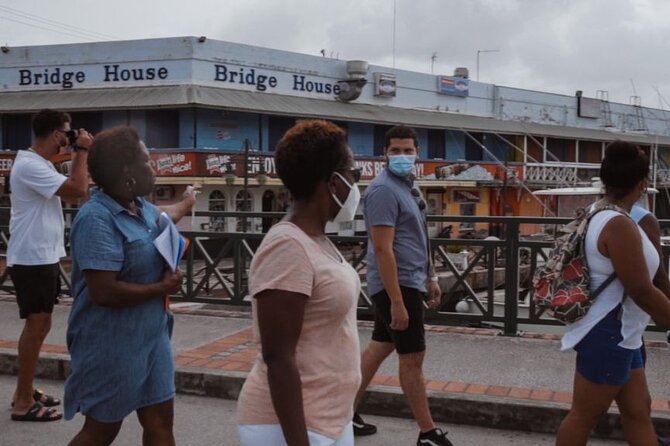
You finish with the walk along the boardwalk toward Chamberlain Bridge, with your historian pointing out sites along the way. This is where you start to feel the shift from inland civic spaces to water-adjacent Bridgetown.
The bridge approach is also a practical gift: the waterfront section gives your body a chance to stretch after several denser stops, and it’s a scenic close to a story-heavy morning.
Guides: Why the Storytelling Matters (and Who You Might Get)
One of the strongest signals from the tour experience is the guide’s ability to narrate the city like a story, not a lecture.
In the past, I’ve seen names like Claudette highlighted for her storytelling style, plus Zachary as another historian guide. Claudette, in particular, is repeatedly described as having a deep grasp of Barbados’s history, a strong sense of humor, and the ability to adjust pace to the group.
Why does that matter for you? Because Bridgetown history includes heavier themes, and the tone needs to be right. A good historian guide keeps the material respectful while still making it understandable, so you actually walk away with meaning instead of just “facts.”
Comfort, Heat, and Small Extras That Actually Help
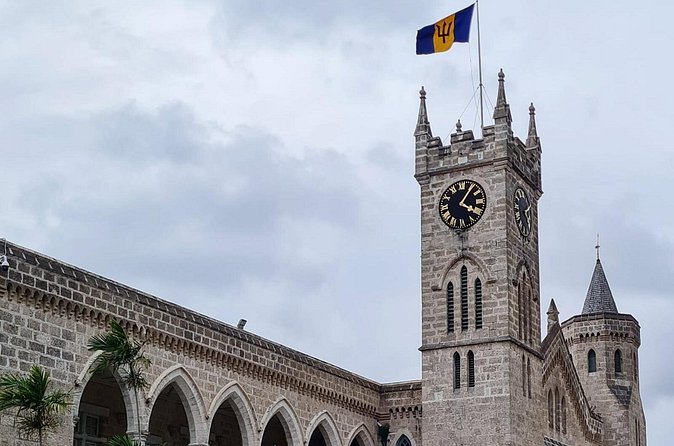
The tour includes cold bottled water at the start, plus small treats or snacks along the way. This isn’t a full food tour, but the practical effect is real: you won’t be relying only on whatever you can find later.
Also, the walking is described as flat, so it’s not a strenuous trek. That’s useful if you’re managing limited mobility, traveling with kids, or you just don’t want a “vacation training session.”
My practical advice: wear breathable clothes, bring sun protection, and keep a light plan for the rest of your day. This tour works best when you’re not rushing from one appointment to another right after.
Price and Value: Does $38 Buy You Something Real?
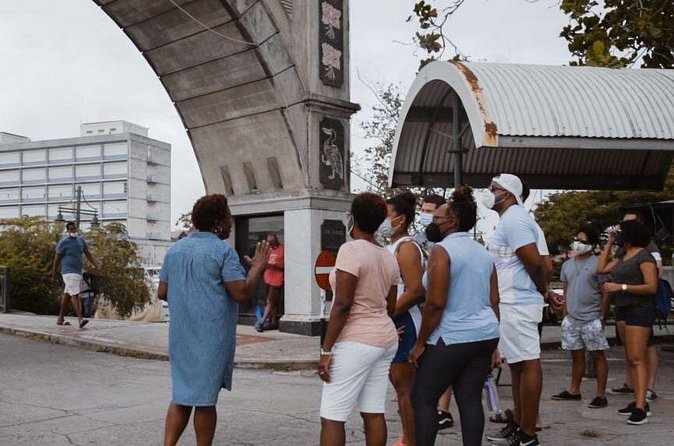
At $38 per person, you’re not paying for a bus ride or a long day—this is a focused walking experience with a historian. For the time (about 2.5 hours) and the small group cap (up to 10), the value comes from three things:
- You get guidance that helps you interpret what you’re seeing
- You get included refreshments (cold water, plus small snacks)
- You get a discussion-friendly group size
It also helps that the overall rating is extremely strong, with a 5-star average and 99% recommendation rate. That doesn’t automatically mean it’s perfect for every person, but it does suggest the experience consistently lands well.
Who This Tour Suits Best
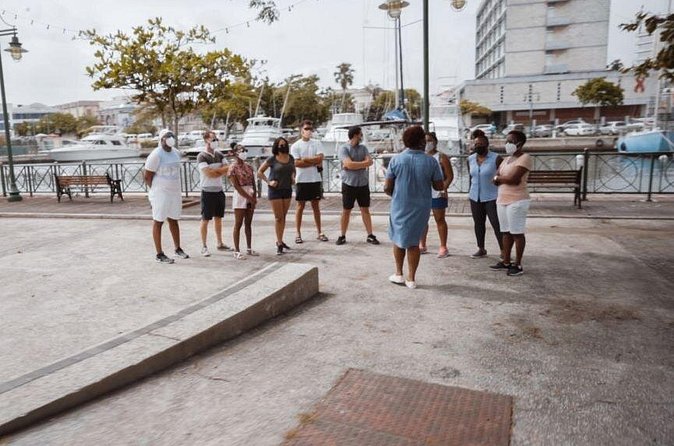
This walking tour fits you if:
- You want a first-day orientation to Bridgetown’s key places
- You’re into history, but you prefer stories with context
- You like asking questions and getting real answers, not just a script
- You want a manageable morning activity that ends where you started
It may be less ideal if:
- You’re expecting a long list of far-flung neighborhoods beyond the civic core
- You want a tour that feels like pure sightseeing with minimal political or historical framing
- You need strict timing to the minute right after the tour, since it can run a bit longer depending on the day
Practical Details You’ll Want Before You Go
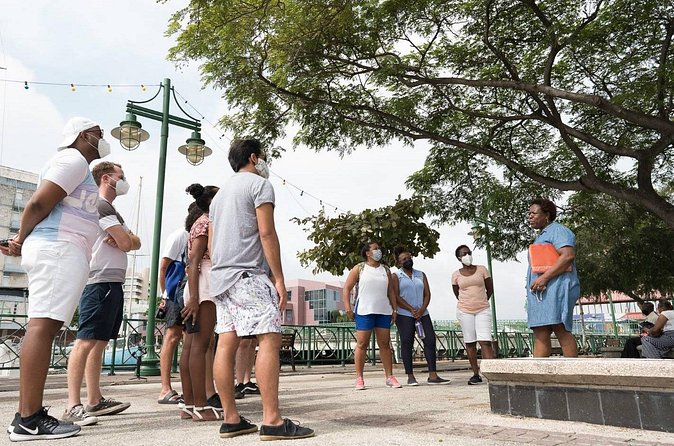
The meeting point is given as 39WP+7JW, Bridgetown, Saint Michael, Barbados, and the tour starts at 9:30 am. It ends back at the meeting point.
You’ll use a mobile ticket, and confirmation is received at booking. The tour is near public transportation, and service animals are allowed. Most people can participate, with the walk described as flat.
Should You Book This Historic Bridgetown Walking Tour?
If you’re the type who wants to understand what you’re seeing, I’d book it. This tour gives you a story map of Bridgetown—independence symbols, civic monuments, religious heritage, and a finishing move toward the waterfront. The historian-led format and the small group size are the big wins.
The only reason not to book is expectation mismatch: if you want lots of variety outside the central sights, or you’re trying to pack your day with zero slack time, you may feel constrained. Otherwise, it’s one of those smart first-morning activities that makes the rest of your trip click.
FAQ
How long is the Walking Tour of Historic Bridgetown?
It’s listed at about 2 hours 30 minutes.
What time does the tour start?
The start time shown is 9:30 am.
How much does the tour cost?
The price is $38.00 per person.
How big is the group?
The tour has a maximum of 10 travelers.
What’s included in the tour?
You get cold bottled water, plus snacks (small treats). It’s not a food tour.
Does the tour enter Nidhe Israel Synagogue?
No. The tour discusses the site, but it does not enter the synagogue.
Is transportation provided?
Private transportation is not included.
Is the walking strenuous?
The walking is described as flat and not strenuous, and most travelers can participate.
What happens if the weather is bad?
The tour requires good weather. If it’s canceled due to poor weather, you’re offered a different date or a full refund.