REVIEW · VIGO
Vigo: Walking Tour with local History & Culture
Book on GetYourGuide →Operated by VIGO TURÍSTICO · Bookable on GetYourGuide
Vigo in a single stroll can surprise you fast. This walking tour stitches together old-town Vigo and the working Port of Vigo with stories you can feel in the streets and sea air.
I especially like two things: the views over the Ría de Vigo during much of the walk, and the way the guide turns monuments and streets into real context, not just facts. I also think the best part is the local angle on what to do next, including food ideas that actually fit your time in town.
One thing to keep in mind: the route is short but not flat. Expect hills and some rocky ground, so if your legs or balance are a concern, you may want to move carefully and plan for breaks.
In This Review
- Key things that make this tour worth your time
- Finding Your Group: Porta do Sol and the O Sireno start
- Old streets and the city’s face: Policarpo Sanz to Garcia Barbon Theatre
- The hilltop payoff: Castelo de San Sebastián viewpoints
- Squares that organize the city: Praza da Constitución and Praza da Igrexa
- Toward the sea: Rúa Pescadería and the Port of Vigo
- Timing and pacing: what two hours feels like on your feet
- What you learn (and why it sticks)
- Price and value: $22 plus tips, what you’re really paying for
- Guide quality and language: English, Spanish, and real-world communication
- Terrain, comfort, and group size: small tips that help a lot
- Who should book this tour in Vigo
- Should you book it
- FAQ
- Where do I meet the tour guide?
- How long is the walking tour?
- What languages are offered?
- Is the tour tip-based?
- Are entrance fees included?
- Is there wheelchair accessibility?
Key things that make this tour worth your time
- Praza Porta do Sol meetup near the tall O Sireno sculpture, so you start in the heart of town
- Castelo de San Sebastián viewpoints that put Vigo’s geography in your head right away
- Port-area stories tied to the Treasure of Rande legends and sunken-treasure lore
- Stops at major old-town sites like Garcia Barbon Theatre and key plazas for quick orientation
- Food and practical plans at the end, so you leave with a next-day game plan
Finding Your Group: Porta do Sol and the O Sireno start
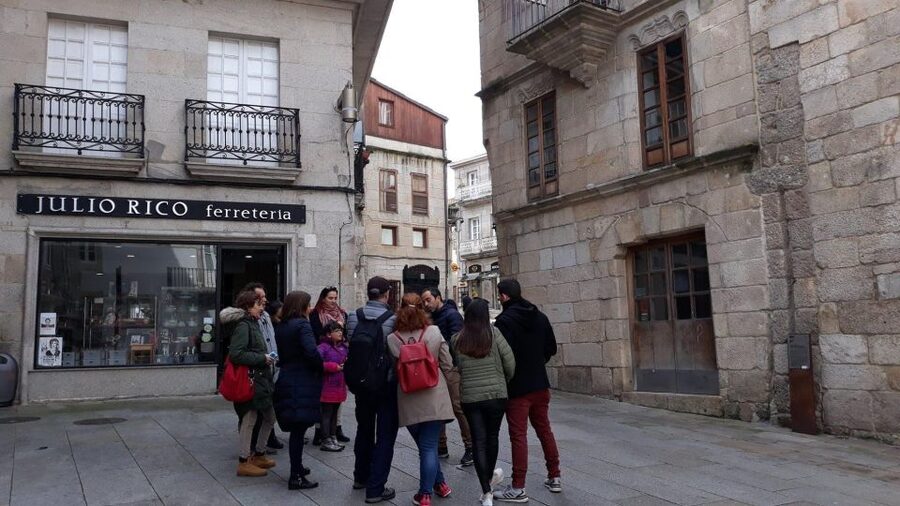
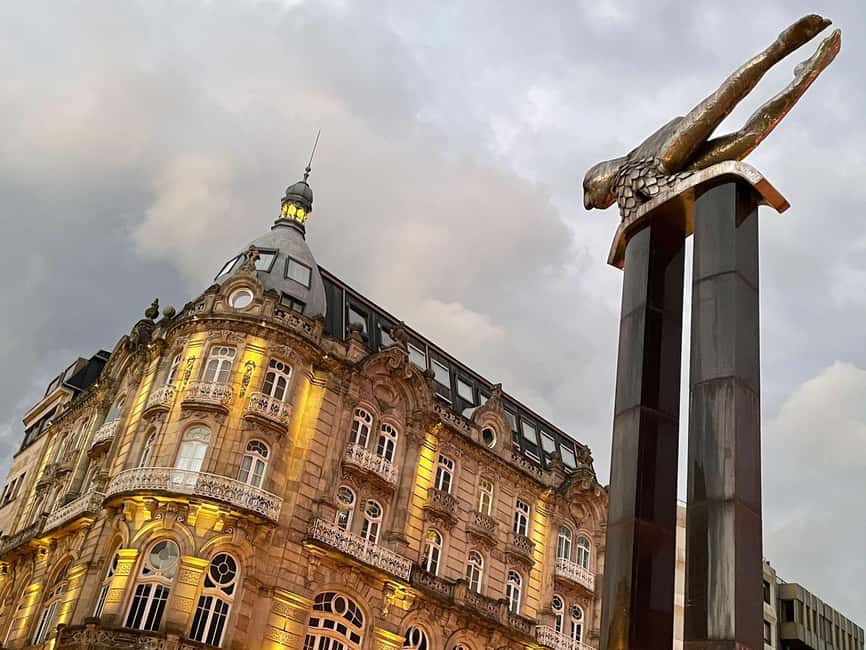
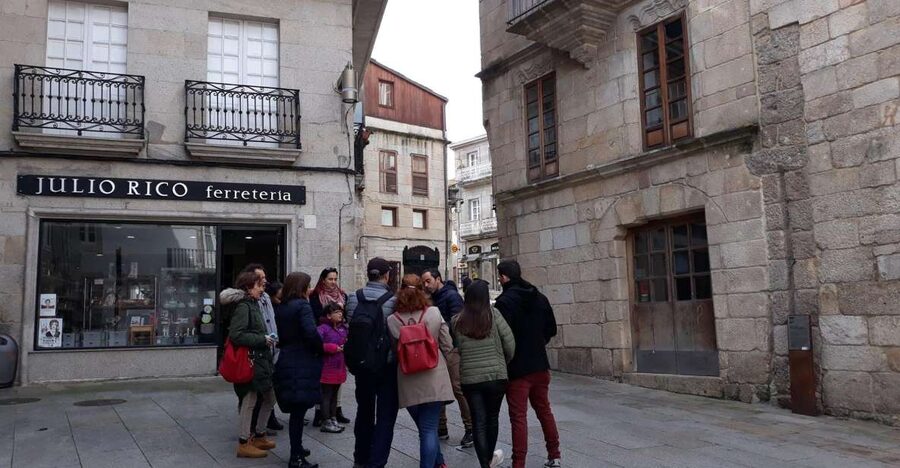
You’ll begin in Praza Porta do Sol, right in the action of Vigo’s old core. The easy anchor here is the sculpture of O Sireno—the man-fish—standing up high enough that you’ll notice it even before you’re fully sure where you are. It’s one of those starting points that helps you stop wandering and start listening.
When you arrive, look for the guide with a red umbrella. This matters more than it sounds, because the square is busy and the statue is elevated. Once you spot the umbrella, you’re set.
As a first-time visitor, I like that this tour starts with an instantly recognizable symbol. It’s a quick way to connect Vigo’s identity (sea + myth + port life) to everything you’ll see over the next two hours.
Old streets and the city’s face: Policarpo Sanz to Garcia Barbon Theatre
After the meet-up, you’ll walk along Vigo’s inner streets, including Rúa Policarpo Sanz. This is the part where the guide helps you read the city at street level: where the important buildings sit, what the architecture is trying to say, and why Vigo’s growth shaped the neighborhoods you’re moving through.
Then you’ll reach Garcia Barbon Theatre. Even in just a few minutes at the stop, it’s the kind of landmark that rewards paying attention—because once the guide frames it, you start seeing how culture, money, and maritime trade connect here. It’s not just a pretty exterior moment; it’s part of the story of how Vigo became a city with ambition.
From there, you continue via short walks to the next street-and-plaza rhythm points. That fast pacing is intentional. Vigo is spread across slopes and pockets of interest, so the tour keeps you moving while still giving enough time at each key spot to register what you’re looking at.
The hilltop payoff: Castelo de San Sebastián viewpoints
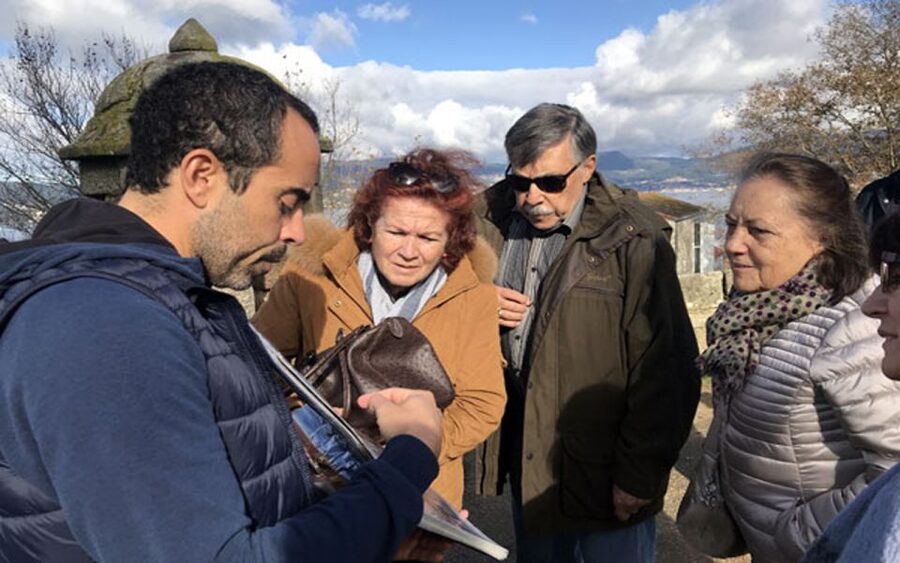
If you want one reason to do this tour early in your trip, it’s this section. You’ll head toward Castelo de San Sebastián, with both walking time and a guided explanation around the fort area.
Even though you’re only there for about 15 minutes of guidance, this stop changes how you understand everything else. You get the big picture of Vigo’s layout: the city’s connection to the shoreline, how the estuary works, and why the port matters so much. The views are the practical payoff—suddenly, streets and directions make sense because you can see where you are in relation to the water.
This is also where the tour’s “survive terrible threats” theme becomes more than a line in a brochure. Fortifications and strategic positioning explain a lot about why Vigo developed the way it did—especially for a coastal city shaped by conflict, trade, and migration.
Just be realistic: there’s walking and likely uneven ground on the way. One guide I saw praised for adapting pace to individual needs, which is a smart sign. If you need slower movement, it helps to tell the guide early.
Squares that organize the city: Praza da Constitución and Praza da Igrexa
After the fort area, the tour drops back into the old-town flow with Rúa Ferrería, then into Praza da Constitución. Plazas like these do two jobs at once. They’re visually important, and they’re practical. They’re where people gather, where the city breathes, and where you can regroup for photos and orientation.
Then you’ll move to Praza da Igrexa, with guided time at the square. This is the kind of stop that works well even if you’re not trying to do a full church itinerary. The guide gives you cultural context—how local life organizes around religious and civic spaces, and what those spaces reveal about Vigo’s identity over time.
The benefit of these plazas is that you start to recognize “how the city thinks.” Once you’ve seen the plazas and the route connecting them, you can often walk on your own later without feeling lost.
Toward the sea: Rúa Pescadería and the Port of Vigo
Next comes Rúa Pescadería, a street that naturally points you toward Vigo’s everyday relationship with the water. It’s one of those short transitions that helps you shift mental gears—from inland streets and landmarks to the port’s bigger forces.
Then you reach the real centerpiece: the Port of Vigo. You’ll get about 20 minutes of guided time here, which is the sweet spot for port history without turning into a lecture. This is where the guide ties the city’s development to migration, maritime trade, and the long memory of coastal legends.
The tour includes the story behind the Treasure of Rande, plus the legend-world of sunken treasures and maritime mystery. Even if you’re not a “treasure story” person, this section is valuable because it explains how sea lore becomes part of Vigo’s public identity. It’s also a strong match for the city’s geography—you can’t see the water and not understand why myths grow around it.
If you like to end tours with a sense of place, this ending works. The port area makes Vigo feel less like a set of buildings and more like a working coastal city with stories built into its routines.
Timing and pacing: what two hours feels like on your feet
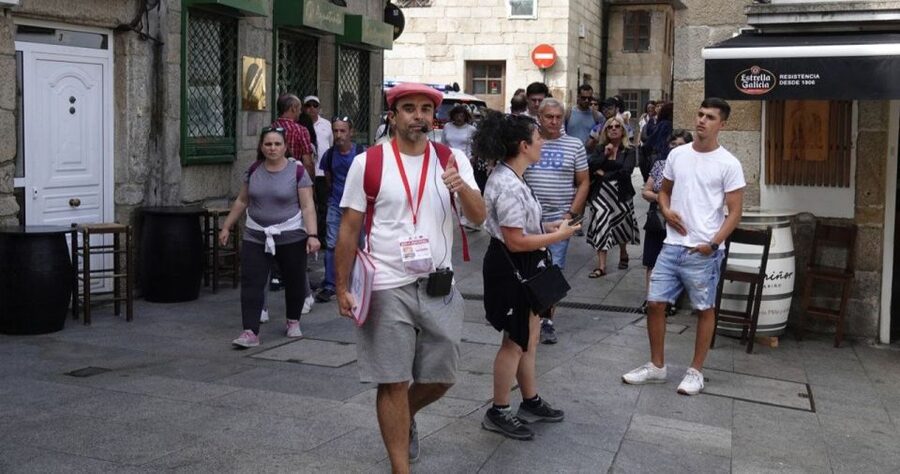
This tour runs about two hours, and it’s designed as an orientation walk rather than a slow museum-style experience. The stops are short on purpose, with guiding concentrated at key landmarks and squares.
In practice, that means you’ll spend your energy wisely:
- You’ll get enough guided time at the big checkpoints to understand what you’re seeing.
- You’ll cover enough ground that you leave with a working mental map.
- You’ll still have time afterward to choose where to linger on your own.
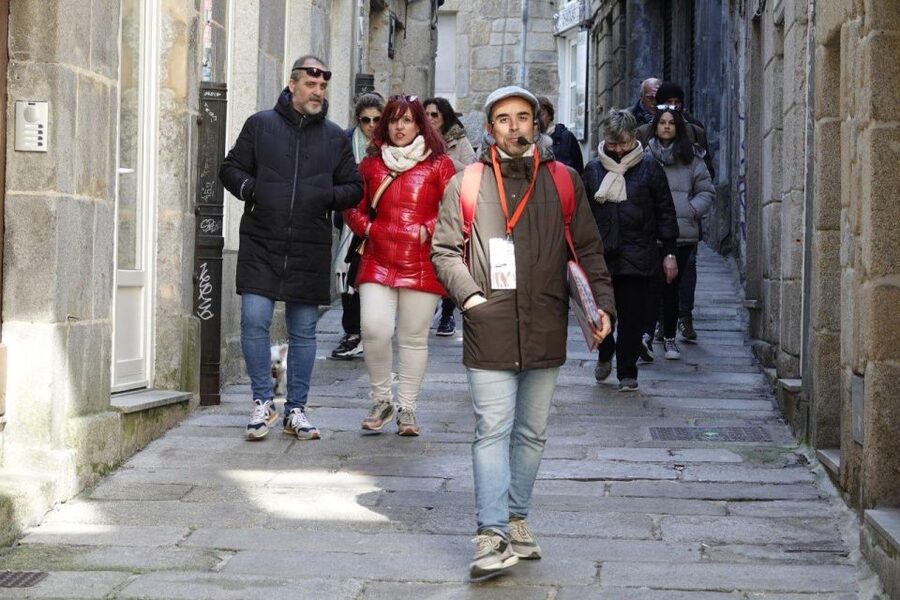
Some people note the walk can feel tiring, especially with hills. One extra reality check: if the group is large, the guide may use a speaker, and you might need to work a bit to stay in the best listening position. This is one of those “bring patience and good listening instincts” moments.
If the weather turns, it can still work. Several guides and groups handled inclement conditions without derailing the tour vibe—because the route keeps meaningful stops frequent enough to stay engaged.
What you learn (and why it sticks)
The tour’s teaching style is practical. Instead of dumping a timeline, the guide connects monuments to human movement: trade routes, port growth, and the way Vigo’s position pulled people and power in different directions.
I also like that the stories aren’t stuck in the past. You get a sense of yesterday and today—how Vigo’s identity is shaped by its estuary and why the port isn’t just scenery, it’s infrastructure and culture.
One more thing: you’ll likely hear plenty of small local details that help you talk back to the city. Those are the moments that make later independent wandering easier, because you recognize themes and references without needing to stop and research every corner.
Price and value: $22 plus tips, what you’re really paying for
At $22 per person, this tour isn’t trying to be the cheapest option in town. It’s more like paying for a guided “route map with a storyteller,” plus concrete planning ideas you can use right away.
Here’s why that can be good value:
- You get an expert local guide who covers multiple landmarks and the port in a tight time window.
- You’ll have historical documentation in the mix, including maps and historical photographs as part of the route experience.
- If the group grows, the guide may carry a microphone so you can hear better.
Then there’s the tip-based model, where you pay at the end based on satisfaction. For you, that means the cost is partly tied to how well the guide’s delivery matches your style. If you click with the tour—especially if you like storytelling and city context—this format often feels fair.
Food value matters too. In examples from past groups, guides like Jose Manuel and others have recommended specific places (for instance, O Porco came up). You shouldn’t expect one exact restaurant every time, but it’s a good sign that the food guidance is part of the experience, not an afterthought.
Guide quality and language: English, Spanish, and real-world communication
Tours run by VIGO TURÍSTICO are led in English and Spanish. In most cases, you’ll get explanations in the language you book, but the real-life detail to know is this: guides can sometimes shift between languages depending on the group mix.
That’s why names like Jose Manuel, Pedro, Jorge, and George show up again and again in feedback. What people repeatedly value is friendly delivery, humor, and strong city passion—plus the ability to answer questions instead of just reciting a script.
If you care a lot about hearing every detail in English, arrive a little early and make sure the group is set. Also, don’t be shy about asking a quick clarification if you feel something is getting lost.
Terrain, comfort, and group size: small tips that help a lot
This walk is accessible in the broad sense, but not “flat and frictionless.”
- Some areas include hills and can be rocky, so take your time on footing.
- Seating isn’t guaranteed at every stop. One critique mentioned wanting seating and a table at each stop, so plan for the idea that you may need to rest when the guide pauses.
- If you end up in a large group, you might have to step forward to hear with the speaker.
For the best experience, I’d do two simple things:
1) Wear shoes with grip. Vigo’s old streets can be inconsistent underfoot.
2) Tell the guide early if you need a slower pace. Several guides were praised for being considerate about comfort and pace.
Who should book this tour in Vigo
This is a strong choice if:
- You want a first-pass orientation to Vigo quickly
- You care about how the port shapes local life
- You like walking tours that mix monuments with stories and practical plans
- You’re staying in Vigo long enough to act on food and “what to do next” advice
It’s also worth it if you’re curious about legend culture—because the Treasure of Rande material isn’t just fantasy. It’s a way to understand why people attach meaning to places around the water.
Accessibility note: the tour is listed as wheelchair accessible, but it requires an accompanying person. If you’re bringing a wheelchair, plan on going with that support and be ready for uneven sections.
Should you book it
If your goal is to understand Vigo fast and feel oriented by the time you leave, I’d book this. The combo of old-town landmarks, fort viewpoints, and a guided walk through the Port of Vigo gives you a clear sense of what makes the city tick.
I’d hesitate only if you strongly dislike hills or rocky ground, or if you need a very low-effort walk. In that case, you could still do it, just go with a pacing plan and a willingness to stop for breaks.
Overall, at $22 for a guided route that includes maps, photos, and local food thinking, this is good value—especially for a city like Vigo, where the sea is part of the answer.
FAQ
Where do I meet the tour guide?
You meet in Praza Porta do Sol, near the tall O Sireno statue. Look for the guide holding a red umbrella.
How long is the walking tour?
The tour lasts about 2 hours.
What languages are offered?
The live guide offers tours in English and Spanish.
Is the tour tip-based?
Yes. It is a tip-based tour, paid at the end based on satisfaction.
Are entrance fees included?
No. Entrance fees are not included.
Is there wheelchair accessibility?
The tour is wheelchair accessible, but it requires an accompanying person.