REVIEW · DUBAI
Private Old Dubai Walking Tour: Forts, Souks, and Boats
Book on Viator →Operated by Dubai By Foot · Bookable on Viator
Old Dubai can feel like a maze. This tour turns it into a story you can follow fast, with Al Fahidi’s wind-tower streets, a walk through souks, and a wooden abra boat crossing on Dubai Creek. You get history and everyday culture you’d miss if you only followed instinct or a map.
I really like the way this itinerary balances “wow sights” with practical context. You’re not just looking at gold and spices; you’re learning how trade shaped the city’s old neighborhoods and how people used these places in real life.
One thing to consider: the timing is tight and the focus is outdoors. Dubai Museum is closed for renovation during this tour, so you’ll view the Old Dubai wall and the Al Fahidi Fort from the outside rather than going in.
In This Review
- Key things I’d prioritize on this tour
- Old Dubai, in Two Hours: What You’ll Actually Get
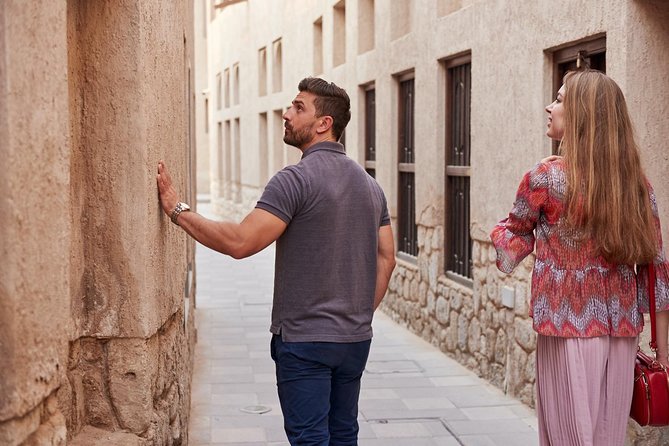
- Al Fahidi Historical Neighbourhood: Courtyards, Wind Towers, and Old Walls
- Hindi Lane and Textile Souk: Small Stops With Big Context
- Dubai Creek by Abra: The Boat Ride That Changes Your Perspective
- Gold Souk and Spice Souk: Shopping With Stories, Not Just Prices
- Guides Make the Difference: Names You’ll Hear (and Why It Matters)
- Price and Value: Is $99 Per Person Fair?
- Timing, Pace, and What to Wear
- Meeting Point and Ending Point: Easy Start, Market Finish
- Who Should Book This Tour (and Who Might Skip It)
- Should You Book This Private Old Dubai Walking Tour?
- FAQ
- How long is the Private Old Dubai Walking Tour?
- What areas are included in the tour?
- Is Dubai Museum included during the tour?
- What is included in the price?
- Are there any tastings during the Spice Souk portion?
- How much does the tour cost?
- Is this tour private?
- Can I cancel for a full refund?
Key things I’d prioritize on this tour
- Al Fahidi first settlement areas with courtyards, restored buildings, and wind-tower architecture
- A smart souk route that goes from textiles to gold to spices, in a logical order
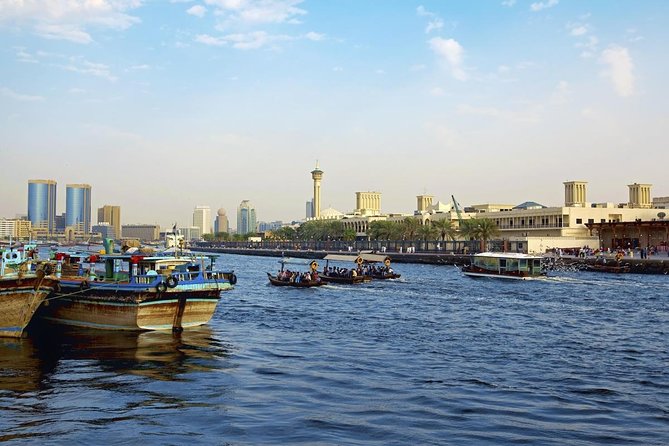
- Abra across Dubai Creek using the traditional wooden boat for transit, not just a photo stop
- Tastings at the Spice Souk (dates and camel milk chocolates are included)
- Private guide attention for questions, photo stops, and shopping pace
- Comfort breaks built in with coffee and/or tea included during the tour
Old Dubai, in Two Hours: What You’ll Actually Get
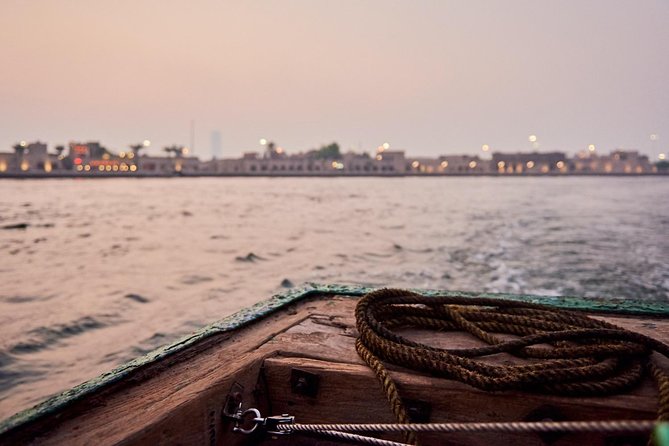
This is a short, well-paced way to understand Dubai’s older side. Instead of scattering your time across too many stops, the route concentrates on the neighborhoods that explain how the city grew: Al Fahidi (Bastakiya area), the trading lanes near Bur Dubai, and the souks around Deira. You’re walking, but you’re also moving by boat, which keeps things from turning into a grind of streets.
For the price point ($99 per person), the value is in the guide time plus the included transit experience. You’re paying for someone to connect dots: why these buildings look the way they do, why the market layout makes sense, and what everyday customs mean in this part of the UAE.
If you’re a first-time visitor who wants to get your bearings without getting lost, this works well. It’s also great if you’ve already seen some modern Dubai highlights and now want a different lens on the same city.
You can also read our reviews of more walking tours in Dubai


Al Fahidi Historical Neighbourhood: Courtyards, Wind Towers, and Old Walls
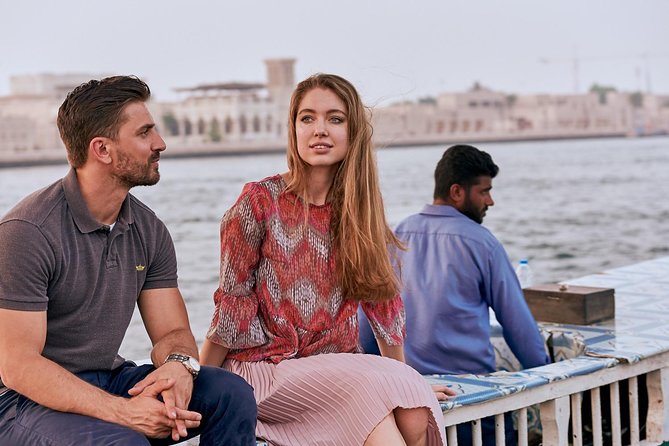
The tour starts in Al Fahidi Historical Neighbourhood, often associated with the area’s early settlement and courtyard-style architecture. Expect a slow, grounded walk through a neighborhood where older buildings have been repurposed—turned into cafes, museums, art spaces, and hotels—so you can see the past living alongside the present.
The highlight here is the wind-tower style. These structures weren’t made for decoration; they were built to help move air through buildings before modern cooling. On a walk like this, the guide’s job is to help you read the neighborhood: not just “pretty old buildings,” but how people designed for comfort in a hot climate.
You’ll also encounter the Dubai Museum area, but with an important heads-up. Dubai Museum is closed for renovation for this tour. That means you’ll understand the museum area, including the wall of Old Dubai and the Al Fahidi Fort, from the outside. You still get the context, just not the indoor exhibits.
Practical takeaway: if you’re hoping for a full museum visit, don’t anchor your plan on going inside. Instead, enjoy the exterior architecture and the stories attached to it.
Hindi Lane and Textile Souk: Small Stops With Big Context
After Al Fahidi, the route slips into smaller lanes, including Hindi Lane. It’s quick, but that’s the point. Old Dubai isn’t just big landmarks—it’s also the small religious and cultural spaces tucked into the urban fabric. Here, you’ll see a temple lane and learn how these community spaces fit alongside trade and daily street life.
Next comes the Textile Souk, a short stop built around the idea that fabric used to be at the center of regional trade. The tour frames it in a way that makes the market feel logical. You’re not just scanning stalls—you’re hearing why swatches and fabric choices mattered historically, and why that heritage still shapes the shopfronts today.
If you like shopping, this is the part of the tour where you’ll feel the most natural “browse time.” The tour even gives a playful nudge toward luxury fibers—cashmere is specifically called out—so you can look at textures and craftsmanship without feeling rushed.
Possible downside: if you’re not interested in textiles or shopping at all, you might wish the time were longer at the sights. But it’s still a valuable piece of the story of how commerce worked here.
Dubai Creek by Abra: The Boat Ride That Changes Your Perspective
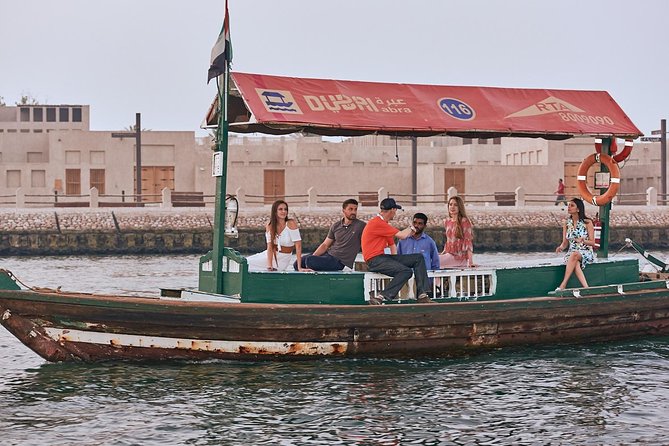
One of the best “wow-to-effort” moments is the Dubai Creek abra ride. This is the traditional wooden boat, and the tour uses it as transit to get you to the souks. That matters because it changes how you experience the city: you’re not only walking street-level; you’re crossing the water that shaped old Dubai’s movement of people and goods.
This stop is short—about 10 minutes—but it’s built for maximum impact. From a visitor point of view, it also gives you a quick reset. After walking through lanes and markets, the boat ride breaks the rhythm and gives you a different angle on the city.
If you’ve ever wondered why Dubai Creek was so important, this is a way to understand it without turning it into a lecture. You feel the geography in your body, then you step into the souks with better context.
Gold Souk and Spice Souk: Shopping With Stories, Not Just Prices
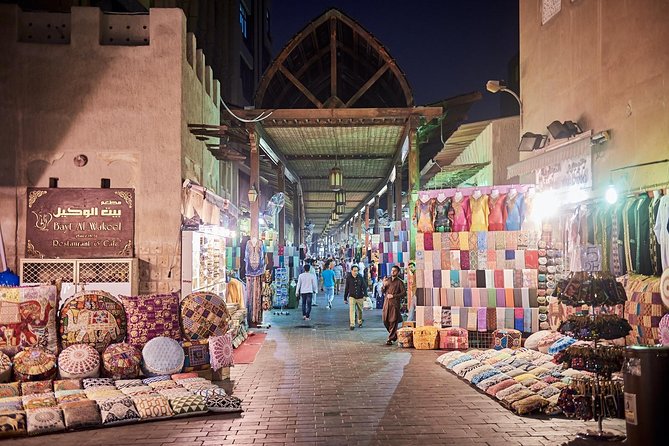
The tour splits the market experience into two very different moods: Gold Souk first, then Spice Souk.
In the Gold Souk, you’ll see the scale of the trade. The tone here is “go big or go home,” which matches how the market presents itself—there’s an abundance of gold at almost every glance. But what makes this stop better than a standalone shopping wander is that the guide ties the gold displays to what the market means in the city’s trading history.
Then you move to the Spice Souk, and this is where the senses kick in. You’ll learn about spices and aromatics like saffron and vanilla, and you’ll also be directed toward teas and other market specialties. The tour includes tastings—dates and camel milk chocolates—so you get a moment of real-world flavor, not just looking.
The Spice Souk stop is about 15 minutes, so don’t expect to become a spice expert in one go. Instead, think of it as a “starter menu” for what to look for on your own later. If you end up coming back (which many people do), your second visit will be more rewarding because you’ll recognize what you saw and what you learned.
Small caution: souks are active places. Even when you’re not shopping, be ready for crowds, tight aisles, and quick turns between areas. This is normal market energy, and having a guide helps you stay oriented.
Guides Make the Difference: Names You’ll Hear (and Why It Matters)
This tour is private, and the guide’s style can turn it from a checklist into a conversation. The guides behind this experience are described as local resident certified professional guides, and the reviews repeatedly point to a mix of humor, warmth, and clear explanations.
You may have a guide like Ricardo, who comes across as energetic and fun while still knowing the details. Or Ricky, who keeps a slow, casual pace and connects stories to the architecture as you walk. Other guides include Pri, Patricia, and Sameh—each noted for being friendly, patient, and willing to shape the pace around questions and time spent browsing.
Here’s what I’d treat as the real value of a great guide in this setting:
- They help you see the “why” behind street layout and building styles.
- They make shopping feel less awkward and more purposeful.
- They keep time moving so you still experience all main areas in a 2-hour window.
If you’re the type who asks questions (or wants help interpreting what you’re seeing), this tour format is a strong fit.
Price and Value: Is $99 Per Person Fair?
At $99 per person for about 2 hours, you’re not just buying walking time. You’re getting:
- A private, guide-led heritage route
- Coffee and/or tea included
- An abra ride across Dubai Creek
- A structure that covers Al Fahidi, lanes, souks, and a market transit element
The private angle is what makes the price feel more reasonable. In a busy city, it’s easy to waste time figuring things out on your own. Here, the guide handles the transitions and keeps you on a coherent route.
Also, the included abra ride isn’t always something you’d naturally plan if you were “just wandering.” In that sense, part of your payment is for momentum—getting you to the right places in the right order.
Is it expensive compared to self-guided walking? Yes. But if you’re in Dubai for a short stay and want old Dubai context without the guesswork, it’s a good trade.
Timing, Pace, and What to Wear
This is a 2-hour tour with short stops—think 5 to 15 minutes at most points. That means you’ll move fairly often. You don’t need to be an ultra-athlete, but you do want comfortable shoes.
A slower, casual pace shows up in the feedback, which is a good sign if you want time to ask questions and not feel like you’re being marched. Shopping is also part of the experience, especially in the textile and souk sections. The guide will typically help you browse without losing the plot.
Weather note (important for Dubai): you’re outdoors. If you visit in a hotter season, plan for the heat and pace yourself.
What to bring mentally: you’re doing an overview of old Dubai. You’ll leave with places you can return to on your own—like the souks—armed with a better idea of what you’re seeing.
Meeting Point and Ending Point: Easy Start, Market Finish
You’ll begin at Arabian Tea House Restaurant & Cafe in Al Fahidi (the Bastakiya/Al Fahidi area). From there, the tour naturally works its way toward Deira, finishing at Dubai Gold Souk.
That ending location is useful. Once you’re done, you’re already where a lot of people want to hang around—right by the gold zone—so you can keep exploring if you have extra time.
If you’re using public transport, it helps that the tour is described as near public transport. One practical strategy that came up in feedback: taking the Metro to reach the meeting area is usually straightforward once you’re oriented.
Who Should Book This Tour (and Who Might Skip It)
Book it if:
- You’re on your first trip and want Old Dubai context fast
- You care about architecture and street-level history, not just photos
- You want a mix of sights plus a fun transit moment via abra
- You like markets but want help understanding what you’re looking at
- You prefer a private experience where your questions and browsing pace matter
Maybe skip it if:
- You want a deep museum-focused day. Dubai Museum is closed for renovation during this tour, and you’ll only view it from outside.
- You want long shopping time without guidance. This is structured for an overview, not a full retail expedition.
Should You Book This Private Old Dubai Walking Tour?
If your goal is to understand old Dubai in a compact, enjoyable format, this tour makes sense. The biggest wins are the combination of Al Fahidi wind-tower sights, an organized route through Textile, Gold, and Spice Souks, and the included abra ride across Dubai Creek. Add in coffee or tea and a guide who can turn questions into stories, and $99 starts to feel like paying for clarity, not just walking.
My decision rule: if you’re short on time and you want old Dubai to feel coherent, book this. If you already plan to spend multiple hours wandering the souks on your own and you don’t care about architecture and trading context, you may not get as much value.
FAQ
How long is the Private Old Dubai Walking Tour?
It’s about 2 hours.
What areas are included in the tour?
You’ll visit Al Fahidi Historical Neighbourhood, Hindi Lane, the Textile Souk, Dubai Creek (with an abra ride), the Gold Souk, and the Spice Souk.
Is Dubai Museum included during the tour?
Dubai Museum is currently closed for renovation, so you’ll understand the museum area and related landmarks from the outside.
What is included in the price?
Included items are the local resident certified professional guide, coffee and/or tea, the private abra (wooden boat) ride across Dubai Creek, and the most in-depth personalized interactions. Admission tickets for some stops are also included.
Are there any tastings during the Spice Souk portion?
Yes. You’ll taste dates and camel milk chocolates during the Spice Souk stop.
How much does the tour cost?
The price is $99.00 per person.
Is this tour private?
Yes. It’s private, so only your group participates.
Can I cancel for a full refund?
You can cancel up to 24 hours in advance for a full refund.