REVIEW · PARMA
Parma: City Walking Tour
Book on GetYourGuide →Operated by BOLOGNA TOUR & BEST ITALY TOUR · Bookable on GetYourGuide
Parma teaches fast, if you know where to start. This 2-hour walking tour is a no-frills way to get oriented in the historic center, with a local guide connecting major monuments to Parma’s food culture and Giuseppe Verdi’s stories. You’ll start right in the action at Piazza Garibaldi with local guidance that’s meant for real-world sightseeing, not museum lectures.
I especially like how the tour stays practical: you see the city’s key sights from the street (so no entrances, no waiting around), including the cathedral of Parma from the outside. I also like the way the guide ties it all together—Parma as the former capital of the Duchy of Parma and Piacenza, a university seat since the 11th century, and its modern identity as a “creative city” for gastronomy and Italian culture.
One thing to consider: the experience is run in Italian and English, and group size can get fairly large at some departures, which can affect how close you feel to the guide and how much back-and-forth you get.
In This Review
- Key things to know before you go
- Parma in Two Hours, Actually Worth Your Shoes
- Where You Start: Piazza Garibaldi and the IAT Meeting Point
- What You’ll See: Outdoors-Only Sights and the Cathedral Moment
- A heads-up on viewing details
- Parma’s Big Story: Duchy Power, a University Since the 1000s
- Food Secrets and Creative Gastronomy Culture
- Giuseppe Verdi on the Streets: Anecdotes That Make Parma Human
- The Guide Experience: Bilingual Delivery, Earphones, and Group Reality
- How to get the most from it
- Price and Value: What $27 Gets You
- Who This Tour Suits Best (and Who Should Skip It)
- Timing: When to Book for the Day’s Light
- Should You Book This Parma Walking Tour?
- FAQ
- How much does the Parma City Walking Tour cost?
- How long is the tour?
- Where is the meeting point?
- Is the tour indoors or outdoors?
- What languages is the tour in?
- What’s included in the price?
- Do I get hotel pickup?
- What time does the tour start?
- Is this tour suitable for people with mobility impairments?
- What should I bring?
Key things to know before you go
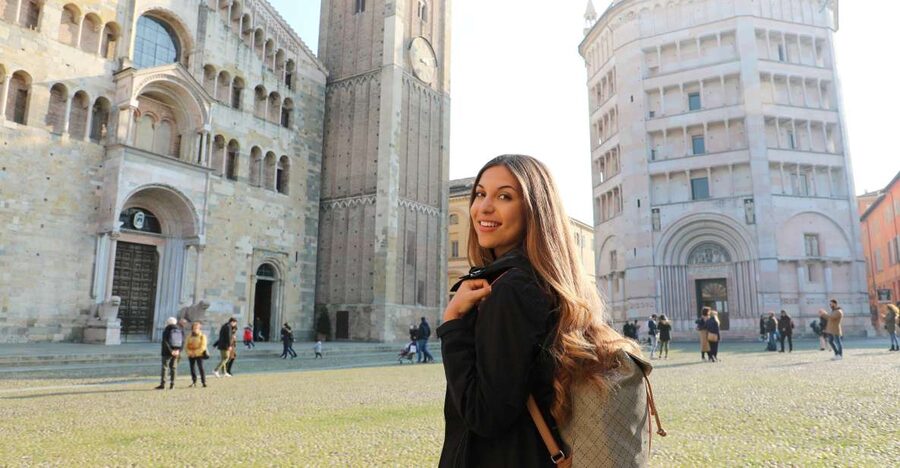
- A street-only route: you admire monuments from outside, with no inside stops
- Cathedral of Parma focus: it’s a highlight, not a quick pass-by
- Verdi anecdotes included: you’ll hear stories tied to Giuseppe Verdi
- Parma through food culture: the guide connects sights to the city’s gastronomy identity
- Earphones once the group is bigger: included for groups of 6+
Parma in Two Hours, Actually Worth Your Shoes
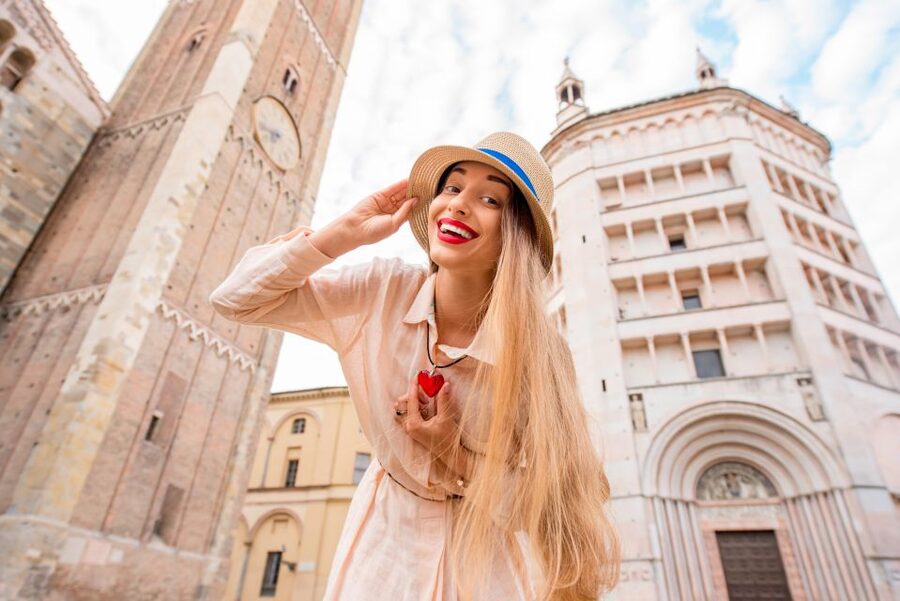
This tour is built for people who want Parma to make sense fast. In two hours, you’ll walk through the historic center, hear how the city developed over centuries, and come away with a mental map you can reuse the rest of your trip.
The format is straightforward: it’s outdoors the whole time, the pace is a steady walking pace, and the guide is there to help you connect the visible landmarks to the stories behind them. That matters, because Parma can feel quiet if you arrive without context. This tour gives you that context without turning it into a long, heavy history class.
Also, the price is refreshingly simple. At $27 per person for a guided walk that includes a multilingual local guide (and earphones when needed), you’re paying for interpretation and direction, not for transportation or museum entry. If you’re the kind of traveler who likes to understand what you’re looking at while you’re looking at it, this is strong value.
You can also read our reviews of more walking tours in Parma

Where You Start: Piazza Garibaldi and the IAT Meeting Point
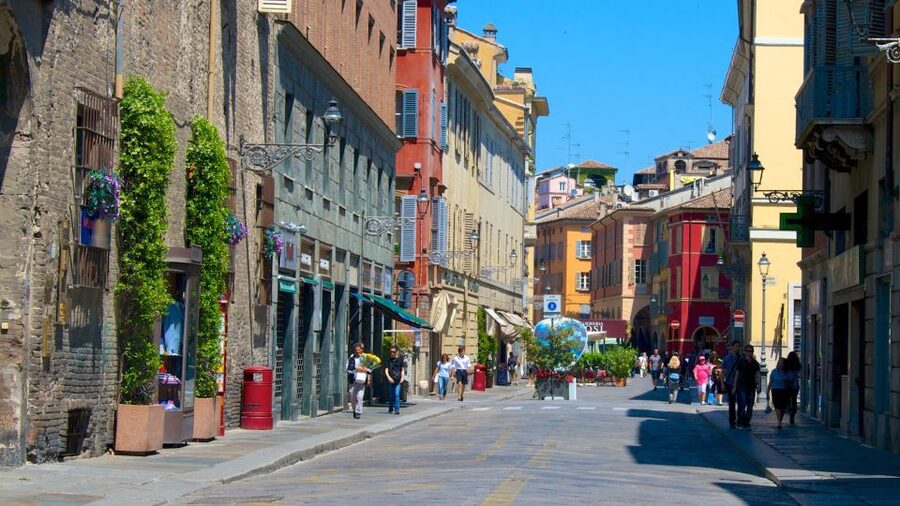
The tour begins at Str. Giuseppe Garibaldi 18, with the meeting point at the IAT in Parma. That’s a good thing. You’re not searching through side streets at the last second with everyone else.
Starting from Piazza Garibaldi is also a smart choice for a first pass through Parma’s center. You get to begin with the city’s energy in front of you, then walk outward toward the main monuments. You’ll end back at the same address, so you don’t have to worry about arranging your next move around an unfamiliar finish point.
One practical note: there’s no hotel pickup, so plan to arrive on your own and give yourself a few extra minutes to be early. With walking tours, being on time isn’t just polite—it helps the group keep a smooth rhythm.
What You’ll See: Outdoors-Only Sights and the Cathedral Moment
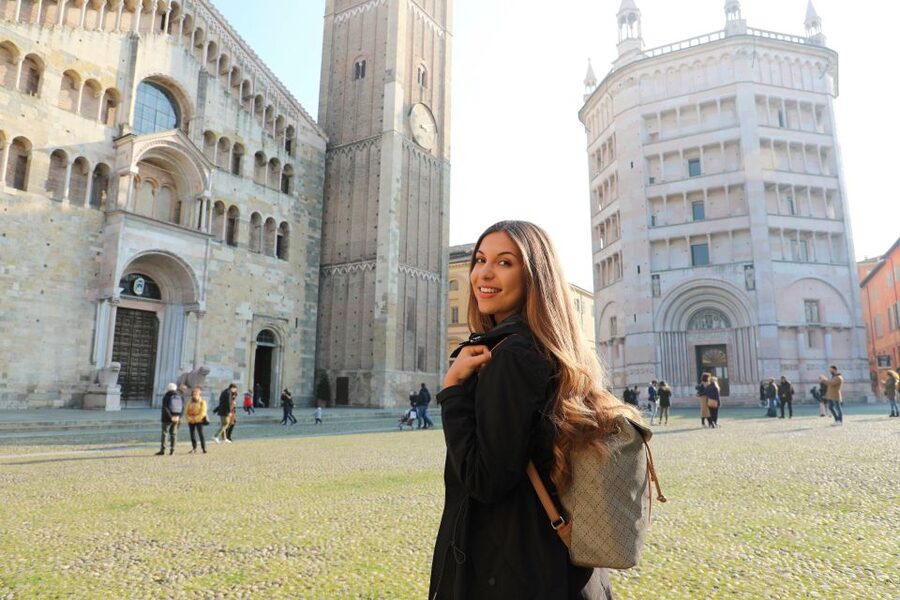
The tour is designed as an outdoors route. That means you’ll admire major landmarks from the street, not from inside buildings, and there won’t be monument entrances as part of the experience.
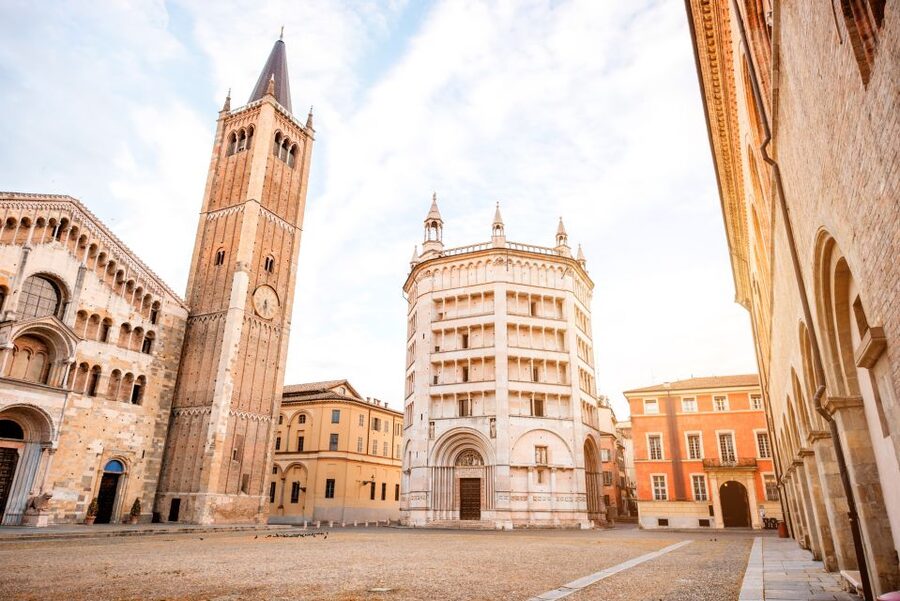
The standout named highlight is the cathedral of Parma. Even without going in, the exterior view can still land well—cathedrals like this usually reward you if you slow down and let the guide point out what you might otherwise miss: the vibe of the square around it, the scale, and the sense of how central it has been to the city.
Because everything is outdoors, you should dress for the weather. One review described the tour working well even when rain showed up, which makes sense: the route is walk-and-look, not “wait until the doors open.” If you’re visiting in colder months, bring layers and keep your camera handy.
A heads-up on viewing details
Some streets have small architectural details—carvings, inscriptions, and other features that only pop when you’re standing at the right angle. If your group is large, you’ll want to position yourself earlier in the line so you can actually see what the guide is talking about. Earphones help with hearing, but they can’t change where you’re standing.
Parma’s Big Story: Duchy Power, a University Since the 1000s
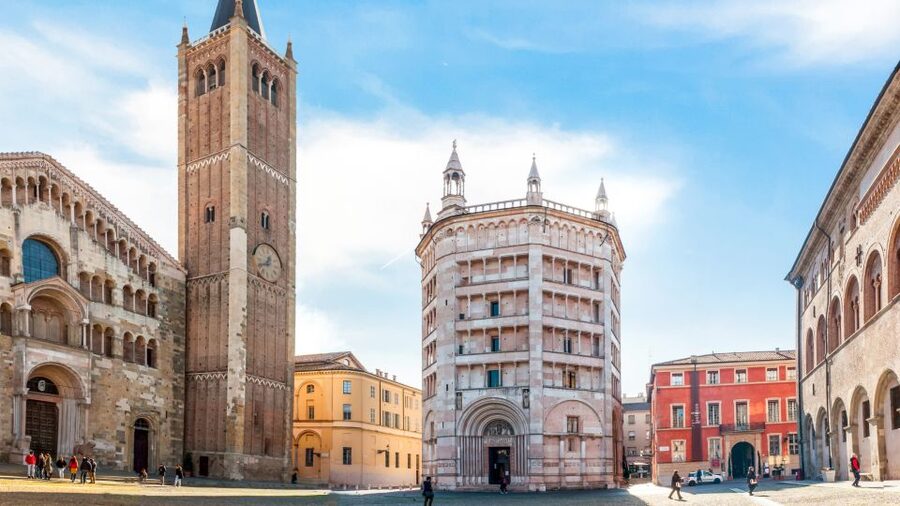
A lot of tours treat the past like a list of dates. This one tries to give you a storyline you can visualize.
You’ll hear about Parma as the ancient capital of the Duchy of Parma and Piacenza. That explains why the city’s center feels the way it does—how it grew, who it served, and why certain kinds of buildings and squares matter. You’ll also learn that Parma has been a university seat since the 11th century. That’s not trivia for trivia’s sake. It helps you understand why the city has long been a place where ideas and people circulated, not just a stopover for travelers.
As you walk, the guide’s job is to connect what you see—street layouts, civic spaces, landmark scale—to why it’s there. It’s a useful approach because Parma can look compact, and without context it’s easy to feel like you’re just “passing through” scenery.
Food Secrets and Creative Gastronomy Culture
Parma is famous for food for a reason, and this tour leans into that identity. You’re not getting a tasting here, but you are getting the cultural framing: the guide talks about food secrets and why Parma has become a creative city for gastronomy.
That matters because food in Parma isn’t just something you eat—it’s woven into everyday life and local pride. When the guide connects culinary reputation to the city itself, your dinner plan stops being random. You start to recognize that what you’re looking at historically and architecturally is the same city that helped build a strong food culture over time.
This is also where the tour becomes useful beyond the two hours. One reviewer specifically said the guide gave tips on what to visit next and what kinds of typical shops to look for. That’s the kind of bonus that turns a walk into a mini planning session.
If you’re the type who likes to eat with a purpose—meat, cheese, and local specialties—this tour gives you a better lens for choosing where to go after.
Giuseppe Verdi on the Streets: Anecdotes That Make Parma Human
Parma is the city of Giuseppe Verdi, and the tour doesn’t leave that as a slogan. The guide shares anecdotes about the great musician as you move through the historic center.
This is one of the best ways to learn a city quickly. Instead of only studying buildings, you connect the places to the people who influenced culture. Verdi is a recognizable name, but the stories make him feel tied to Parma’s streets rather than trapped in a textbook.
If you’re a classical music fan, you’ll likely enjoy how the tour uses Verdi to add personality to the sightseeing. If you’re not, you’ll still benefit because the anecdotes are a way to keep the walk lively and memorable.
The Guide Experience: Bilingual Delivery, Earphones, and Group Reality
The tour runs in Italian and English. The upside is you get broader access—more travelers can follow along. The downside is obvious: you’ll hear both languages, and some people prefer one language for comfort and flow.
Also, listening conditions matter. That’s why earphones are included for groups of 6 people and up. If the group is larger, the earphones make it easier to hear the guide without craning your neck or stepping into someone else’s space.
Group size can be a factor. One review noted the group felt too large (around 25 people). When there are more people, the guide may have to work a little differently—standing farther back, speaking to the full group, and not always moving to the front to point at the exact detail you care about most.
Still, guide quality seems to be a strong point. One reviewer mentioned a guide named Alice, praised for her knowledge and city anecdotes. Another reviewer emphasized that the guide was well prepared and helped the tour feel accurate even in rain. And several people appreciated the guide’s personality and suggestions after the walk.
How to get the most from it
- Stand where you can see what the guide is pointing at, not just where you can hear
- If you care about details, position yourself earlier in the group
- If you’re sensitive to bilingual pacing, go in knowing you’ll hear Italian and English during the same experience
Price and Value: What $27 Gets You
At $27 per person for a 2-hour walking tour, you’re buying three things: interpretation, direction, and convenience.
You’re not paying for entry fees, transportation, or special access because the tour is outdoors-only. That’s a good model if you want to keep your day light and use your time walking rather than standing in lines.
What’s included is the key part: a local multilingual guide, plus earphones for larger groups. Earphones sound like a small detail, but they can seriously improve the experience when a group expands. It’s also a value signal: the provider expects enough people to need sound support.
Compared with doing Parma alone, this is usually worth it if you want:
- clear context for what you’re seeing
- a “first map” of the center
- food-and-culture framing that shapes your next stops
Who This Tour Suits Best (and Who Should Skip It)
This tour is a good fit for:
- first-timers in Parma who want a quick orientation
- travelers who like city stories tied to people (hello, Verdi)
- food-focused visitors who want Parma’s gastronomy culture explained
- anyone who prefers outdoor sightseeing without monument entrances
It may be less ideal if:
- you have mobility issues, since it is not suitable for people with mobility impairments
- you strongly prefer one language only (because the tour is delivered in Italian and English)
- you’re looking for lots of interaction and Q&A; group dynamics can limit that when crowds are bigger
If you’re traveling with older kids or a niece/nephew and want a structured outing, the tour can work well. Just be sure everyone is ready for a couple of hours of walking in city streets and squares.
Timing: When to Book for the Day’s Light
The tour runs daily at 10:00h, and Saturdays also run at 15:00h. That gives you flexibility depending on your itinerary.
If you like morning energy and clearer light for photos, the 10:00 option is usually best. If you want a later walk after lunch and you’re planning museums or indoor breaks earlier, the Saturday 15:00 start can fit nicely.
Should You Book This Parma Walking Tour?
If you want a practical Parma overview in two hours, I’d book it. The combination of monument viewing from outside, Parma’s larger cultural storyline, and Giuseppe Verdi anecdotes makes the walk feel like more than just a route.
I’d pay attention to two details before you commit:
1) Language format: you’ll hear both Italian and English, so it’s worth choosing this tour when you’re comfortable with that.
2) Group size: some departures can run large, so be ready to stand smartly for the best sightlines.
If those points work for you, this tour is a solid way to start your Parma days with momentum—and leave with ideas for what to do next.
FAQ
How much does the Parma City Walking Tour cost?
It costs $27 per person.
How long is the tour?
The tour lasts 2 hours.
Where is the meeting point?
You meet at IAT in Strada Garibaldi 18 Parma.
Is the tour indoors or outdoors?
It is only outdoors, and there are no monument entrances.
What languages is the tour in?
The tour is in Italian and English.
What’s included in the price?
A local multilingual guide is included, and earphones are provided for groups of 6 people and up.
Do I get hotel pickup?
No, pick up in Hotel is not included.
What time does the tour start?
It runs at 10:00h every day, and at 15:00h on Saturdays.
Is this tour suitable for people with mobility impairments?
No, it is not suitable for people with mobility impairments.
What should I bring?
Wear comfortable shoes for walking.