REVIEW · OBIDOS
Óbidos: Medieval Tales & Secrets Spots Guided Walking Tour
Book on GetYourGuide →Operated by Silver Coast Travelling · Bookable on GetYourGuide
A sour cherry sip starts the story. This guided walking tour turns Óbidos into something you can see and understand fast, from Moorish walls to church art to the famous queens of Portugal.
I love the Ginjinha de Óbidos tasting, served in a chocolate cup. I also love how you get Joséfa de Óbidos’ paintings alongside street-level stops, so the history doesn’t feel like a lecture.
One possible drawback: it’s an outdoor, on-foot route through old streets and castle areas, so it can be a rough ride if you dislike cobbles, slopes, or long standing (and it’s not suitable for wheelchair users).
In This Review
- Key highlights you’ll actually care about
- Óbidos feels like a medieval postcard you can walk into
- A tight 2-hour route that moves at walking speed
- Inside the town’s church art: from Saint John’s Church to the Pietá
- Joséfa de Óbidos and the female-art story you’ll remember
- The Castle of Óbidos: 1300 years of Moorish origin, explained on foot
- Bookstores in former royal chapels and churches: where culture meets browsing
- The “Town of the Queens” theme: Catherine, Isabel, and Leonor de Avis
- Moorish and Jewish neighborhoods plus an out-of-the-walls walk
- The ginjinha stop: why the chocolate cup is the point
- Price and value: what you get for about $41
- Who should book this tour (and who should skip it)
- Should you book the Óbidos Medieval Tales & Secrets Spots tour?
- FAQ
- How long is the Óbidos Medieval Tales & Secrets Spots Guided Walking Tour?
- How much does the tour cost?
- What’s included in the tour price?
- Is there a ginjinha tasting on this tour?
- Where do I meet the guide?
- What languages are available?
- What should I bring?
- Is it suitable for wheelchair users or people with mobility issues?
- What if the weather is bad?
Key highlights you’ll actually care about
- Ginjinha in a chocolate cup: a local taste moment included in the price
- Five original paintings by Joséfa de Óbidos: plus the story behind her place in European art
- A 1300-year-old Moorish-origin Castle of Óbidos: you’ll walk away with context, not just photos
- Two bookstore stops: one in a former royal chapel and another in a former church and royal chapel
- Queens of Portugal theme: Catherine of Austria, Queen Saint Isabel, and Leonor de Avis show up in the walking story
- Off-the-main-street feeling: you’ll get alleys and neighborhoods, not only the busiest viewpoints
Óbidos feels like a medieval postcard you can walk into
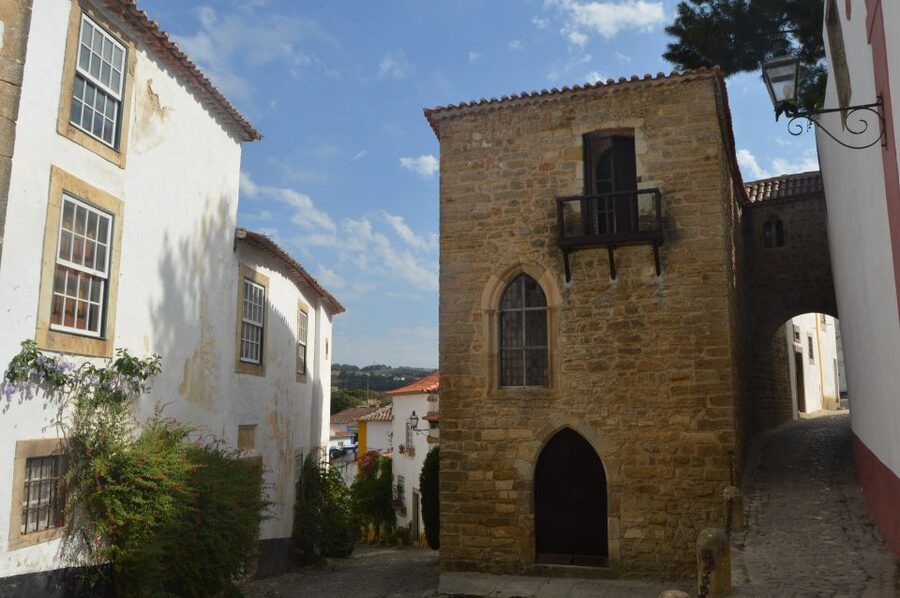
Óbidos is the kind of town that looks finished from every angle. The walls do half the work for you: they funnel you into the right mood—stone lanes, church towers, and that slow medieval rhythm.
What makes this tour extra useful is the way it links the sights into themes. You won’t just bounce between buildings. You’ll hear why the town mattered to the Portuguese crown and religious life, and why the art tucked into churches belongs in the same story as the castle.
And yes, there’s a practical payoff. The route hits the places you’ll want later when you’re wandering on your own—except you start with explanations, so your second lap through town feels way smarter.
A tight 2-hour route that moves at walking speed
This is a 2-hour walking tour with an on-the-ground guide (English or Portuguese). That time window is good for a day trip, because you can fit it around meals and still have energy to explore afterward.
You should expect a steady pace. The itinerary includes lots of stops—churches, plazas, neighborhoods, and castle areas—so comfortable shoes matter. If you’re the type who wants every photo to be perfectly timed, tell your guide early. Guides often help with photo moments at the key viewpoints, and it keeps things from turning into a sprint.
Also note: it can be canceled if the weather turns. When you’re in Óbidos, plan your flexible time for outdoor walking.
Inside the town’s church art: from Saint John’s Church to the Pietá
A lot of towns brag about medieval streets. Óbidos also lets you see what people worshipped, collected, and commissioned.
One early stop centers on the Museum of the Saint John the Baptist Church. This is where the tour starts giving you the “why” behind the town’s artistic and religious identity—important because Óbidos isn’t just castles and views. It’s also art tucked into sacred spaces.
From there, you get a highlight mention that deserves your attention: the tour includes the pietá by Renaissance master Nicolau de Chanterene. A piece like that isn’t decoration—it’s a clue. It shows the town’s cultural links and how big artistic movements reached places you might not expect.
If you care about art but don’t want a full museum day, this section is a good match: short, focused, and tied directly to the town you’re standing in.
Joséfa de Óbidos and the female-art story you’ll remember
This tour has a real standout: five original paintings by Joséfa de Óbidos, a popular local artist. You also get the angle that makes her story travel-friendly: she was the first Portuguese female artist to have her works exhibited in the Louvre Museum in Paris.
That detail matters because it reframes what you’re seeing. Instead of thinking, “Oh, pretty religious paintings,” you start noticing how her position connects Óbidos to wider European art history.
There’s another smart benefit here. Once you learn the context for Joséfa de Óbidos, you’ll look differently at nearby churches and chapels later. You’ll spot patterns faster and understand why certain works were placed where they were.
The Castle of Óbidos: 1300 years of Moorish origin, explained on foot
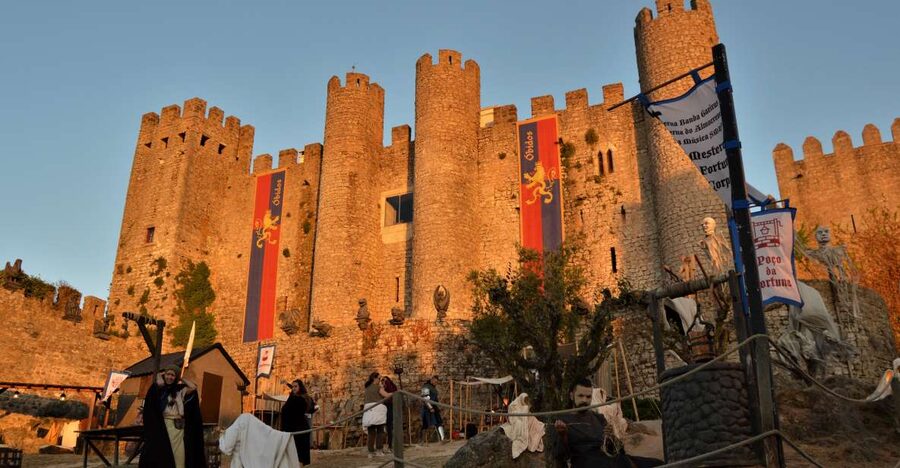
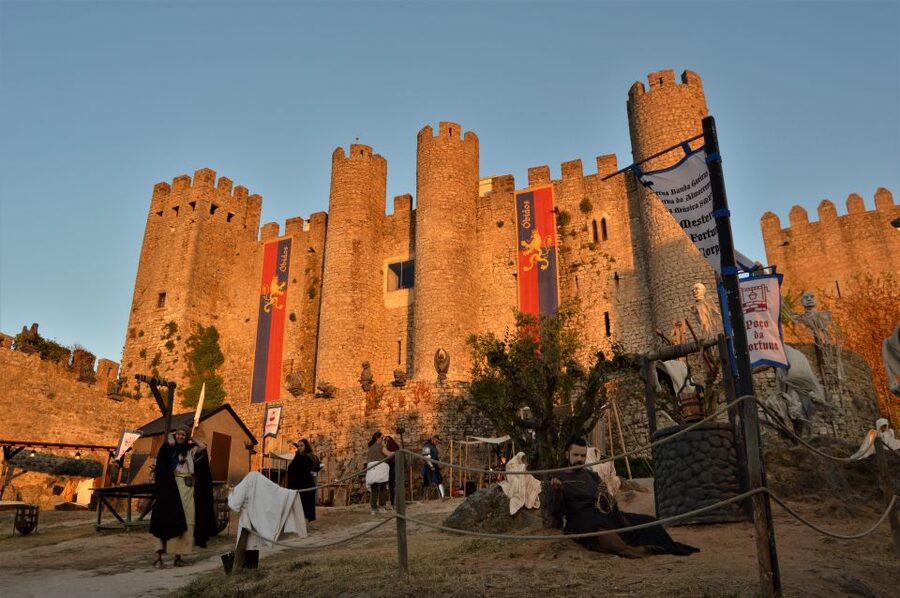
Let’s talk castle time. You’ll visit the Castle of Óbidos, described here as having a 1300-year-old Moorish origin. Even if you’ve seen castles before, the value is in what you’ll learn while walking.
The guide’s job is to turn walls into a timeline—Moorish presence, later Portuguese layers, and how the town’s defenses shaped daily life. When you reach the best photo spots, you’ll know what you’re looking at and why it’s there, not just where the Instagram angle lives.
A small caution: castle and old-town areas often mean uneven stones and steps. If it’s humid or recently wet, take it slow. One thing I’d plan for in Óbidos is traction—stone paths can turn slick.
Bookstores in former royal chapels and churches: where culture meets browsing
If you like bookstores, you’ll probably smile through this part.
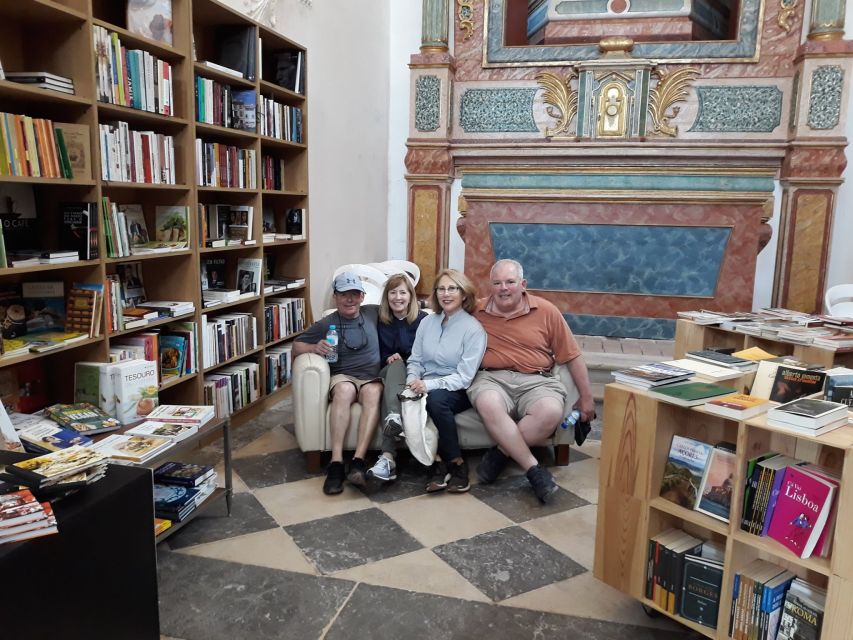
You’ll visit Ler Devagar, a trendy bookstore located on a former royal chapel. It’s the kind of place where browsing doesn’t feel random. The building itself adds atmosphere, so even if you buy nothing, you’re still getting the “place has a past” effect.
You’ll also stop at São Tiago Bookstore, which is located in a former church and royal chapel. That sounds like architecture trivia, but on-site it helps you understand why Óbidos places reading and heritage in the same breath.
Then there’s the Market Bookstore (Livraria do Mercado), a combined bookstore and organic products shop. This is an easy win because it gives you a practical reason to linger: it’s a place to pick up something small, flip through books, and reset before more walking.
My practical advice: if you’re trying not to carry heavy bags, set expectations. This is a “browse with intention” stop. Look for postcards, small guides, or a compact souvenir you can actually pack.
The “Town of the Queens” theme: Catherine, Isabel, and Leonor de Avis
Óbidos has a royal shortcut built into its identity: the town is known as the Town of the Queens of Portugal.
This tour puts three names into the story in a way that feels tied to real places:
- Catherine of Austria
- Isabel of Aragon, also known as Queen Saint Isabel
- Leonor de Avis, wife of King John II, remembered as the Most Perfect Queen
The most practical part of this theme is Leonor de Avis and the Holy House of Mercy. The tour explains that she created in Óbidos one of the earlier branches of her brainchild, and it became the oldest surviving hospital and relief network in the world, later spread overseas during the Portuguese Empire.
That’s the kind of story that changes how you think about a small town. It’s not only “pretty history.” It’s social history—how power and compassion used buildings and institutions, not just palaces.
Moorish and Jewish neighborhoods plus an out-of-the-walls walk
One reason I like guided walking tours in old towns is that they prevent you from only seeing the loud parts.
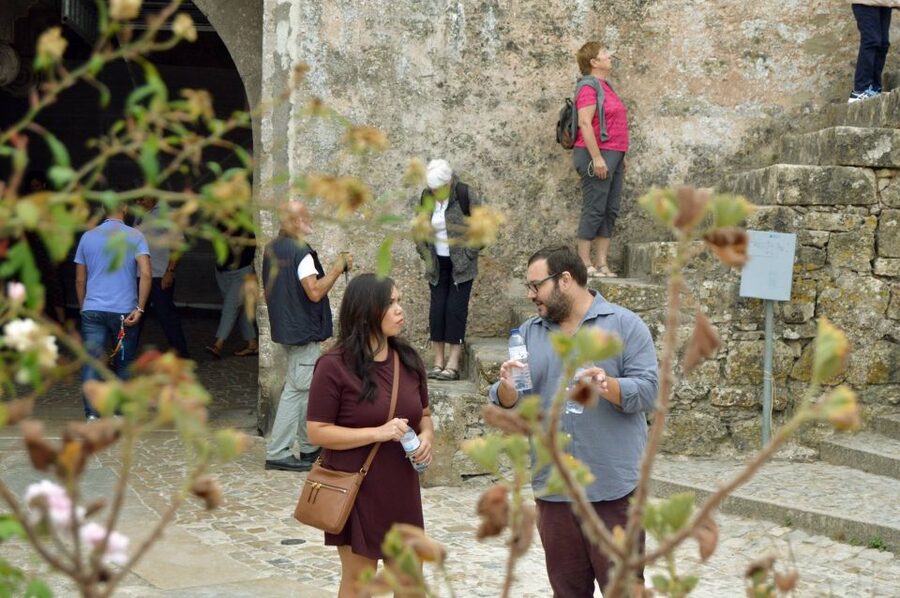
Here, you’ll visit Moorish and Jewish neighborhoods and take an out of the walls walk. That matters because it shifts you from “castle viewpoint” mode to “town lived here” mode. You see more texture: alley lines, old corners, and the kind of street rhythm that makes Óbidos feel human instead of staged.
It’s also a good time to slow down and take photos without chasing the biggest crowd spots. Many people enjoy the off-the-main-street feeling, and it helps you collect images that look like real life, not just tourist postcards.
The ginjinha stop: why the chocolate cup is the point
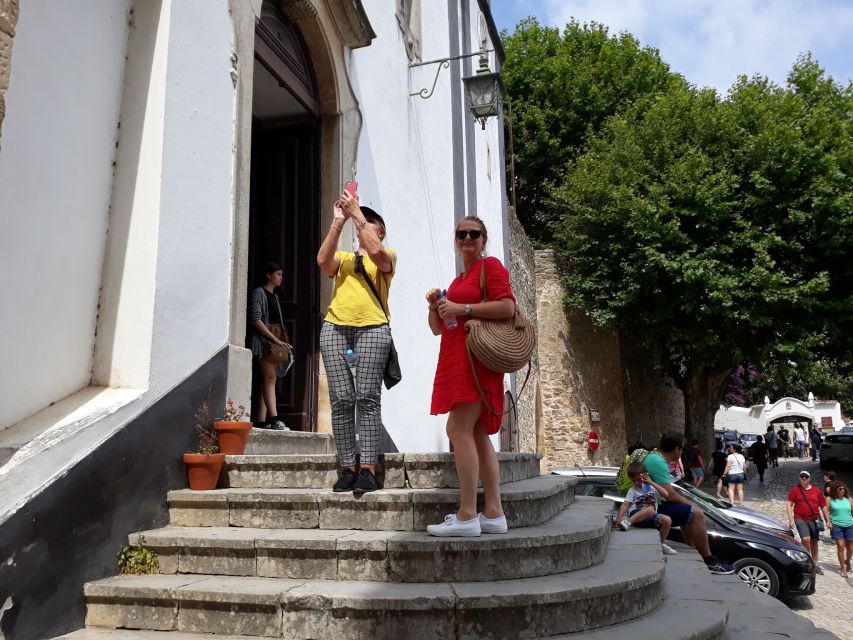
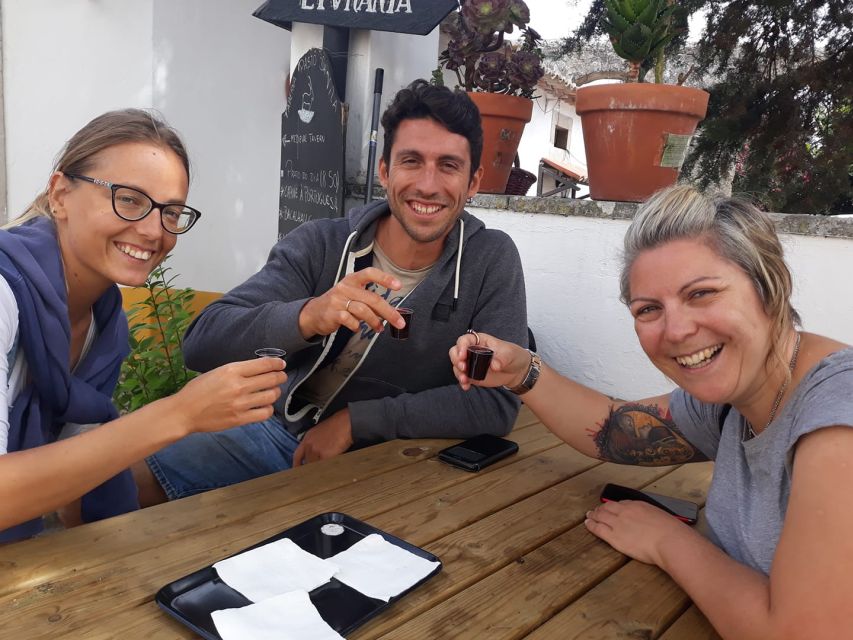
The tour ends with a very Óbidos moment: tasting Ginjinha de Óbidos, the famous local sour cherry liqueur served in a chocolate cup.
It’s more than a sweet gimmick. The cup changes how you experience the drink—spiced chocolate meets tart cherry, and suddenly you’re tasting the town’s playful side. For a lot of visitors, this is the moment they remember most because it’s sensory, quick, and different from typical “try a local drink” tasks elsewhere.
A practical tip: if you’re sensitive to alcohol, sip slowly. You’re walking right after, so you’ll want clear headspace for the last photo stop and any wandering you do on your own.
Price and value: what you get for about $41
At $41 per person for a 2-hour guided walking tour, the value comes from what’s included: the guide and the ginjinha tasting.
What’s not included is food. That’s normal for a short, sightseeing-heavy walk—but it means you should plan to eat before or after with time to spare. If you’re doing lunch right after the tour, pick a place close to your next activity so you’re not hungry and rushed.
This price also feels fair because the tour covers higher-effort stops you might miss solo—like the church-art components and the specific art focus on Joséfa de Óbidos—plus the castle context that makes the walking worth it.
If you’re trying to choose between a general stroll and a themed explanation route, this one is the better deal. You’re paying for meaning, not just access.
Who should book this tour (and who should skip it)
This tour is a strong fit if you:
- want history tied to places, not just dates
- like art stops you can actually process in a short time
- enjoy photography and appreciate photo-friendly guidance
- want the queens and social-institutions angle, not only battles and kings
You might want to skip it (or at least think carefully) if you:
- need wheelchair access or have mobility challenges, because the tour is not suitable for wheelchair users and people with recent surgeries
- struggle with uneven stone streets and standing for stretches
Even if you’re fine physically, bring patience. Old towns reward slow steps, and Óbidos is no exception.
Should you book the Óbidos Medieval Tales & Secrets Spots tour?
Yes, I’d book it if your priority is to understand Óbidos quickly and taste it properly. The combo of castle context, Joséfa de Óbidos art, bookstore stops in former royal spaces, and the ginjinha in a chocolate cup makes this feel like more than a checklist walk.
It’s also a smart first tour in town. After you learn the queens, the castle layers, and why the art matters, wandering later feels easier and more rewarding.
Just do yourself one favor: wear real walking shoes and plan your schedule with weather flexibility in mind.
FAQ
How long is the Óbidos Medieval Tales & Secrets Spots Guided Walking Tour?
It lasts about 2 hours.
How much does the tour cost?
The price is $41 per person.
What’s included in the tour price?
The tour includes a guide and a liquor tasting (ginjinha).
Is there a ginjinha tasting on this tour?
Yes. You get a free tasting of Ginjinha de Óbidos served on a chocolate cup.
Where do I meet the guide?
You meet in front of the Óbidos Tourist Office, near the main parking, outside of the walls.
What languages are available?
The live tour guide speaks English and Portuguese.
What should I bring?
Wear comfortable shoes, since you’ll be walking.
Is it suitable for wheelchair users or people with mobility issues?
No. It is not suitable for people with mobility impairments or wheelchair users, and it’s also not suitable for people with recent surgeries.
What if the weather is bad?
The tour can be canceled due to weather conditions.