REVIEW · NICOSIA
Nicosia: Green Line and Buffer Zone Guided Walk
Book on Viator →Operated by Eleni Ellinas · Bookable on Viator
A divided city, explained street-by-street. In Nicosia’s UN buffer zone area, you follow the Green Line on foot with Eleni Ellinas, who shares both on-the-ground history and her own lived experience from the 1970s. It’s the kind of walk that makes the map feel real fast, especially when you see how life looks on either side of the divide.
What I love most is the balance: factual context plus human stories, without turning it into shouting matches. I also love the practical pacing—this is a small group (max 10), with a coffee/tea stop and frequent chances to ask questions. One thing to consider: this is a walking experience in a politically sensitive area, and the route depends on conditions, including good weather.
In This Review
- Key highlights worth your time
- Entering Nicosia’s UN Buffer Zone, the way maps can’t
- Meet at Ledra Palace Hotel: the start point that sets the tone
- Famagusta Gate: the Venetian gateway you’ll want to look at twice
- Medieval Venetian walls and the Green Line: seeing a city frozen in time
- Ledra Street crossing point: where the contrast becomes obvious
- Coffee/tea break and question time: practical comfort in a heavy story
- Price and value: is $83.48 a good deal for 2–3 hours?
- Logistics that matter on the ground
- Who should book this Green Line and Buffer Zone walk?
- Should you book this Nicosia Green Line walk?
- FAQ
- How long is the Nicosia Green Line and Buffer Zone guided walk?
- Where does the tour start?
- Where does the tour end?
- How much does it cost?
- Is the tour offered in English?
- What group size should I expect?
- Are entrance fees included?
- Is transportation included?
- Do I need good weather for the experience?
- Can I cancel for a full refund?
- Is an accessible toilet available?
Key highlights worth your time
- Max 10 people means real conversation, not a lecture and a shuffle
- Eleni Ellinas’ first-hand perspective from the 1970s adds weight to the history
- Green Line walking route shows how the UN buffer zone shapes daily streets
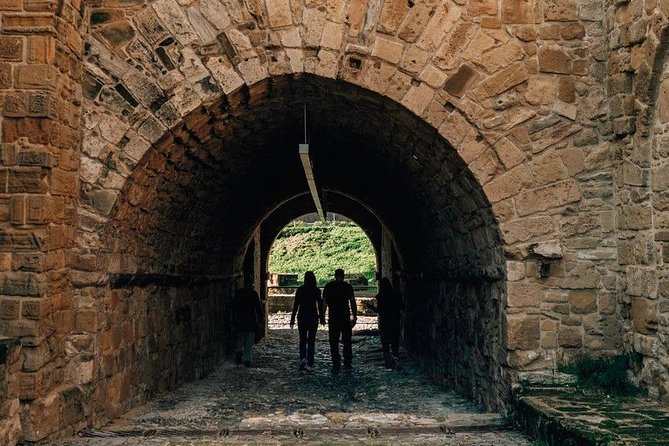
- Venetian Lefkosia walls turn the Old City layout into something you can see instantly
- Ledra Street crossing helps you understand the contrast between south and north
- Coffee/tea break keeps it humane—especially in warm weather
Entering Nicosia’s UN Buffer Zone, the way maps can’t
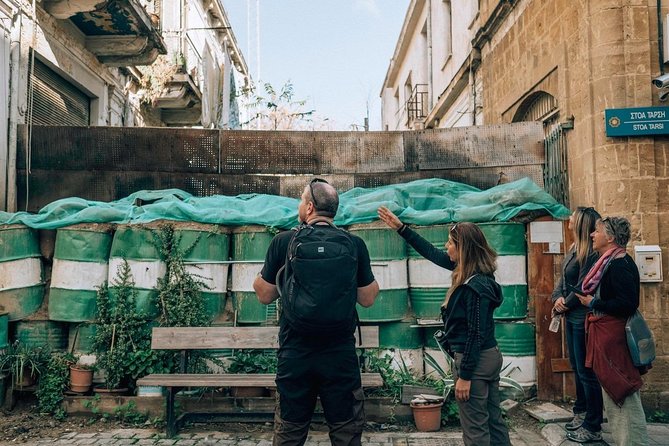
The UN buffer zone isn’t just a boundary line. In Nicosia, it’s a living structure that affects buildings, streets, and how people move through the city. On this guided walk, you don’t simply view the Green Line—you trace it, step by step, so the division becomes obvious in your own footsteps.
You’ll start with the Venetian-era logic of the Old City and then move into the modern reality of separation. That combo matters. It’s one thing to hear the political story. It’s another to see how fortifications and checkpoints create a city within a city.
The guide also keeps things grounded. Eleni Ellinas is known for sharing personal context with care and respect, and that shows in how the walk is paced and explained. You’ll come away understanding why things unfolded the way they did, and why the feelings around the situation can’t be reduced to one slogan.
Meet at Ledra Palace Hotel: the start point that sets the tone
You’ll meet at Ledra Palace Hotel (Markou Drakou, Nicosia 1102) and end at the Ledra Street checkpoint (Ledras 68, Nicosia 1010). This matters because both locations are symbolic. Ledra Palace represents the capital in its grand, old-city heyday, while Ledra Street represents the crossing and the everyday reality of the division.
This walk is designed for a small group, up to 10 people. That helps in two ways. First, you can ask questions without feeling like you’re interrupting a performance. Second, the guide can adjust pace and stops based on the group’s energy—something that comes up often in feedback, especially when the weather is warm.
The tour runs about 2 to 3 hours. It’s short enough to fit into a busy Nicosia schedule, but long enough for the important parts: gates, walls, buffer zone streets, and the crossing point experience.
Famagusta Gate: the Venetian gateway you’ll want to look at twice
The walk begins with a stop at Famagusta Gate. This is the most significant gate of Venetian Lefkosia, built in the 16th century. It’s tied to the road that once led toward Famagusta and the island’s important port.
Why this stop works: it gives you the historical frame before you hit the border reality. Venetian walls didn’t go up randomly. They were part of a deliberate defense plan and a city layout meant to channel movement—exactly the kind of planning that makes modern boundaries feel so sharp when you later see them on the ground.
This stop is quick (around 10 minutes) and the admission ticket is free. It’s also the kind of “first look” that helps you orient yourself. Once you understand how this gate connected to the city’s movement, the later streets along the Green Line make more sense.
Practical note: don’t rush your photos here. This is a doorway into the entire Old City system, and it’s the kind of architecture you’ll remember once you’ve seen the walls from close range.
Medieval Venetian walls and the Green Line: seeing a city frozen in time
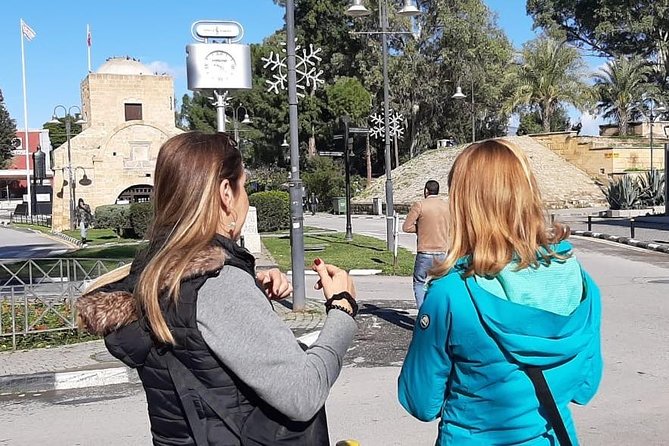
The heart of the experience is the stretch through the areas shaped by the Venetian fortifications and the UN buffer zone “Green Line.” This part is where the walk earns its reputation for being unforgettable.
You start from Ledra Palace Hotel and follow the southern side of the city while tracing the Green Line that cuts through the centre, separating Nicosia into southern and northern sections. The walk follows the Venetian walls around the Old City—so you don’t just hear about boundaries. You see the shape of the fortification and how it has become intertwined with modern division.
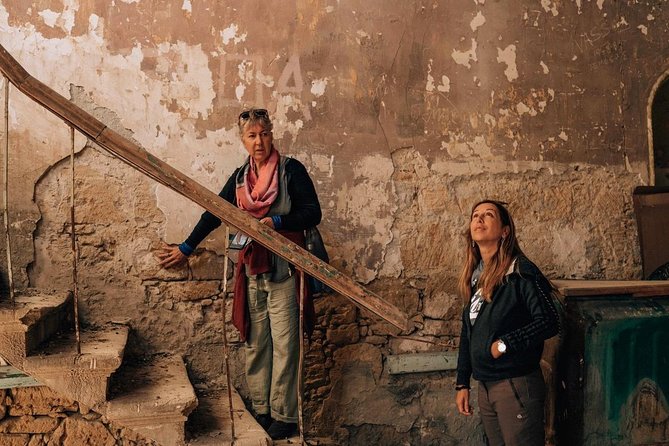
This is also where the tour’s personal, human angle lands. Eleni Ellinas brings lived experience into the route—stories connected to the events of the 1960s, 1970s, and 1974—so it doesn’t stay abstract. In feedback, people describe the area as feeling like it’s still living in that era, not because nothing changes, but because the border has kept the physical space strangely stuck.
What you’ll notice as you walk:
- Streets and buildings that look abandoned in places, with nature reclaiming parts of the scene
- Signs of past military presence, including abandoned structures and marks left by conflict
- The way the Green Line acts like a seam through the city, making the southern and northern realities feel surprisingly close—and still totally different
One small but important detail: the guide takes a respectful approach to balance. The goal isn’t to force you toward one emotional conclusion. It’s to help you understand the complexity of a divided capital with two communities living beside each other under long-term separation.
Ledra Street crossing point: where the contrast becomes obvious

After walking the wall-and-buffer stretch, you reach the Ledra Street crossing point. This is one of the clearest places to understand what people mean by one city with two cultural realities.
You’ll experience the Ledra Palace context and the Ledra Street crossing point experience, with time to observe what changes when you shift from one side to the other. The walk gives you a framework for interpreting the differences you see—culture, daily rhythm, and the feeling of what’s possible now compared with what used to be blocked.
The crossing segment is brief (about 10 minutes), but short doesn’t mean shallow. People describe this moment as the turning point. The walk goes from history lesson to personal visual understanding—like your brain finally connects the timeline to the streets in front of you.
A note on expectations: the route can be shaped a bit by the group’s interests. Some tours in practice include time on the northern side, while others focus more on what’s on the southern portion and the crossing itself. Either way, you’ll leave with a clear sense of why this particular city split matters.
Coffee/tea break and question time: practical comfort in a heavy story

It’s hard to keep a calm, respectful conversation going when you’re standing in the sun with a complicated topic. This tour handles that with a simple ingredient: a coffee/tea break along the way.
In real feedback, people mention the break as a relief, not a gimmick. It gives you a chance to reset, cool down, and ask follow-up questions before you continue toward the crossing point.
The pace is also described as relaxed. The guide sets the rhythm and doesn’t treat the buffer zone like a theme park line you must rush through. People note that the guide works with the group—slowing down when needed, keeping it comfortable, and planning stops for shade when the weather is hot.
That’s not a small detail. When you’re in an environment this emotionally charged, comfort helps your brain absorb the meaning.
Price and value: is $83.48 a good deal for 2–3 hours?
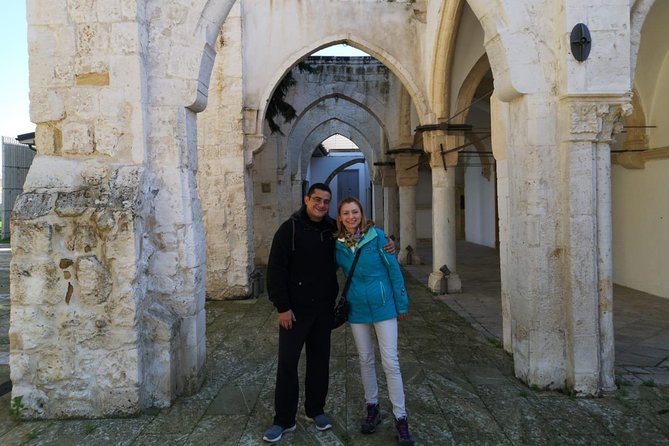
At $83.48 per person for roughly 2 to 3 hours, this walk isn’t bargain-basement cheap. But it also isn’t just a generic sightseeing stroll.
Here’s what you’re really paying for:
- A local guide, Eleni Ellinas, bringing both historical context and lived, first-hand perspective from the 1970s
- A small group size (max 10) that keeps the experience personal
- Entrance fees included for the planned stops
- A structured route through the Green Line area—something most people wouldn’t piece together safely or confidently on their own
- The Ledra Street checkpoint experience, which is the practical point where the city division becomes visible
If you’re the type of person who likes to understand the why behind the where, this price can feel fair fast. You’re buying interpretation plus access to a route you could look at, but likely wouldn’t understand deeply without guidance.
Also, this is the kind of tour you can anchor your Nicosia visit around. Once you’ve walked the Green Line with context, you’ll be able to interpret other sights on both sides more intelligently—because you know what to look for.
Logistics that matter on the ground
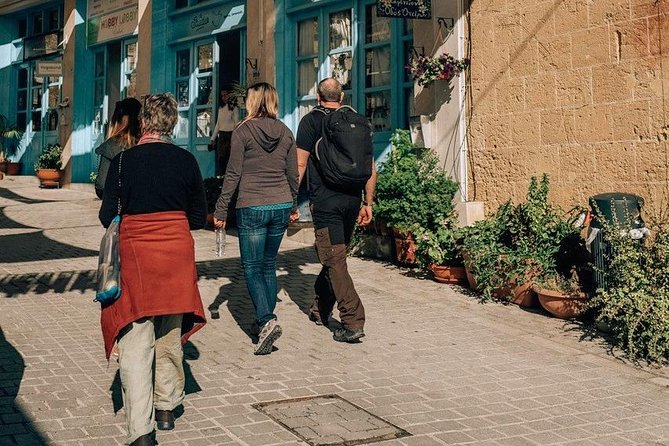
This tour uses a mobile ticket and is offered in English. Confirmation is received at booking time, and the meeting point is clearly set at Ledra Palace Hotel.
Transportation is light-touch in the info: private transport isn’t included, but the meeting point is near public transportation. That’s useful because you can arrive without needing to organize a separate ride.
Weather is a big factor. The experience requires good weather, and if it’s cancelled due to poor conditions, you’ll be offered another date or a full refund.
Also, there’s an accessible toilet available at the meeting point. Service animals are allowed. And most people can participate, though it is still a walking tour, so wear shoes you’d be comfortable in for a couple hours.
Who should book this Green Line and Buffer Zone walk?
Book this if you:
- Want a first-time orientation to Nicosia that goes beyond landmarks
- Care about understanding how the division shaped real life, not just political headlines
- Like history with personal stories told carefully and respectfully
- Prefer a small group experience where you can ask questions
- Plan to explore Nicosia on your own afterward and want a stronger mental map
Skip it (or be cautious) if you:
- Really dislike politically sensitive topics
- Don’t handle walking well, since the experience is structured around on-foot movement
- Need a totally effortless, low-thinking “see it and go” outing—this tour is about explanation and observation, not only photos
Should you book this Nicosia Green Line walk?
I think you should book it if your goal is to understand Nicosia as a living, complicated city. The combination of Venetian walls, the UN buffer zone Green Line, the Ledra Street checkpoint experience, and Eleni Ellinas’ personal perspective makes this more than a route.
For my decision, the biggest factors are these: the small group size, the balance in how the topic is explained, and the fact that the guide isn’t treating the area like a set piece. You’ll walk away with clarity you simply can’t get from looking at a map alone.
If you’re going to do one history-forward activity in Nicosia that connects the past to what you see today, this is a strong choice.
FAQ
How long is the Nicosia Green Line and Buffer Zone guided walk?
It lasts about 2 to 3 hours.
Where does the tour start?
The meeting point is Ledra Palace Hotel, Markou Drakou, Nicosia 1102.
Where does the tour end?
The walk ends at the Ledra Street checkpoint, Ledras 68, Nicosia 1010, Cyprus.
How much does it cost?
The price is $83.48 per person.
Is the tour offered in English?
Yes, it is offered in English.
What group size should I expect?
The tour has a maximum of 10 travelers.
Are entrance fees included?
Yes. The guided walk includes entrance fees.
Is transportation included?
Private transportation is not included.
Do I need good weather for the experience?
Yes. The tour requires good weather. If it is canceled due to poor weather, you’ll be offered a different date or a full refund.
Can I cancel for a full refund?
You can cancel for a full refund if you cancel at least 24 hours before the experience’s start time.
Is an accessible toilet available?
Yes. There is an accessible toilet available at the meeting point.