REVIEW · NAPLES
Naples: City Walking Tour w/ Underground Roman Ruins Ticket
Book on GetYourGuide →Operated by WORLDTOURS S.r.l. · Bookable on GetYourGuide
Naples has a hidden Rome underneath. This guided walk strings together big-name sights like Gesù Nuovo and Piazza del Plebiscito, then sends you underground to the Neapolis Sotterrata Roman remains. It’s a smart mix of street-level Naples and the city’s layered past.
What I like most is how the walk connects landmarks to everyday Neapolitan culture—especially the way you’ll hear food and espresso traditions worked into the route. I also love the underground stop: you’ll see ancient street remnants, mosaics and columns, market leftovers, and even early Christian crypts in about a 30-minute guided visit. Guides such as Nunzia, Giuseppe, and Giovanni are frequently singled out for making the story feel personal and easy to follow.
One thing to plan for: this is a lot of walking on narrow streets and uneven pavement, and it’s not suitable for people with mobility impairments. If rain hits, it can get slick fast, so shoes matter more than you’d think.
In This Review
- Key takeaways
- Starting at Piazza Municipio: Getting Your Bearings in Old Naples
- Gesù Nuovo and Santa Chiara: Church Art That Actually Changes the Atmosphere
- Spaccanapoli and the Historic Spine: A Street That Explains Naples
- Piazza del Plebiscito and San Carlo: Royal Naples Without the Ticket Lines
- Via San Gregorio Armeno and Via dei Tribunali: Street Characters and Everyday History
- Castel Nuovo and the Waterfront-Era Monuments: Big Shapes, Small Details
- Underground Naples (Neapolis Sotterrata): Roman Streets and Early Christian Traces
- Lunch Option: Caprese, Pasta, Dessert, and a Glass of Wine
- What It’s Like on the Ground: Shoes, Pace, and Weather Reality
- Small Group Energy: Why the Guide Matters
- Who This Tour Is For (and Who Should Skip It)
- Should You Book This Naples Walking Tour With Underground Ruins?
- FAQ
- Where does the tour start?
- How long is the tour?
- Is the Underground Roman Ruins visit included?
- What’s included in the lunch option?
- Do I need hotel pickup or drop-off?
- What languages are offered?
- What should I bring?
- Is luggage allowed?
- Is the tour suitable for people with mobility impairments?
- Can I bring pets?
Key takeaways
- Neapolis Sotterrata ticket included: a guided 30-minute underground Roman ruins visit
- A packed historic-center route: Piazza Municipio through Spaccanapoli and Via dei Tribunali
- Outdoor views only for major monuments: Castel Nuovo, Royal Palace, Teatro di San Carlo, Galleria Umberto I
- Food culture built into the tour: street-food and espresso traditions explained along the way
- Optional lunch option: caprese salad, pasta, dessert, plus 1 glass of wine and water
Starting at Piazza Municipio: Getting Your Bearings in Old Naples
I like tours that act like a map you can walk. This one starts at Piazza Municipio, right near the Neptune Fountain, which makes it an easy place to orient yourself on arrival day. Your guide (Worldtours sign in hand) keeps the group moving through the oldest neighborhood layers of Naples.
From the start, you’re in tight streets and dense city life. That’s exactly what you want early on, because Naples is not a city where you learn everything from a single viewpoint. You’ll get the feel of the historic center by following a route that repeatedly connects architecture, street life, and local traditions.
A few more Naples tours and experiences worth a look

Gesù Nuovo and Santa Chiara: Church Art That Actually Changes the Atmosphere
One of the best parts of the experience is how it brings you into the mood of the city through major churches. Gesù Nuovo is the kind of stop where the details give you a reason to slow down, not just take a photo and move on. Even if you’re not a dedicated art person, the guide’s context helps you notice what matters.
Then you’ll reach the Monastery of Santa Chiara for an external look. It’s not about entering every building; it’s about using the outside view to understand how these religious landmarks shaped the neighborhood around them. The contrast—ornate church presence above ground and later Roman remnants below—feels meaningful.
Spaccanapoli and the Historic Spine: A Street That Explains Naples

Spaccanapoli is the neighborhood backbone, and it’s where Naples’ layers start to feel real. You’ll stroll along this legendary stretch lined with palaces and side streets that link to cafés, shops, and classic pizzerias. What I’d tell you to look for is the rhythm of the street: how the buildings, storefronts, and small piazzas create a walkable story.
This is also where the tour’s cultural side really clicks. Your guide ties in Neapolitan food culture—street food habits and espresso traditions—so the city doesn’t stay stuck in architecture. It becomes easier to decide what to eat later because you’re already learning what locals consider normal.
Piazza del Plebiscito and San Carlo: Royal Naples Without the Ticket Lines
Naples has a very grand, official face, and Piazza del Plebiscito is where you see it. You’ll walk through the area around major landmarks, including the Royal Palace and Teatro di San Carlo. Just keep expectations realistic: these are external visits only, so you’re getting the setting and the scale, not museum-style time inside.
Even with outside-only stops, this portion is valuable because it shows you how Naples grew into its public identity. Teatro di San Carlo is especially impressive for its presence; it’s the kind of building that makes you understand why Naples became a cultural destination. Then Galleria Umberto I adds a different flavor: it’s a 19th-century shopping arcade you can experience with your eyes, even if you’re not going in.
Via San Gregorio Armeno and Via dei Tribunali: Street Characters and Everyday History
If you want Naples to feel like Naples, these streets do the job. Via San Gregorio Armeno is famous for traditional craft and religious figure culture—exactly the kind of street that makes the city feel alive instead of preserved. Then Via dei Tribunali shifts the mood with a more traditional, everyday market-and-street energy.
Here’s what I’d pay attention to: the way narrow streets funnel you toward open squares. The tour uses that rhythm to keep you moving while still giving you reasons to stop. It’s also a good stretch for questions—where to eat, what to try, and which neighborhoods to explore next—because you’re seeing the real shopping and daily life around you.
You can also read our reviews of more walking tours in Naples





Castel Nuovo and the Waterfront-Era Monuments: Big Shapes, Small Details

Castel Nuovo is one of those sights you recognize instantly even if you can’t name everything about it. In this tour, you see it as part of the historic-center flow, not as a standalone long museum visit. That works well if your goal is orientation: you get the monumental landmarks as reference points.
What makes this section worth it is how the guide frames the city’s evolution. Naples grew over centuries, and you can feel that growth in the mix of styles and uses of space. Castel Nuovo, like the surrounding landmarks, helps you understand why the city’s story isn’t linear—it’s layered.
Underground Naples (Neapolis Sotterrata): Roman Streets and Early Christian Traces

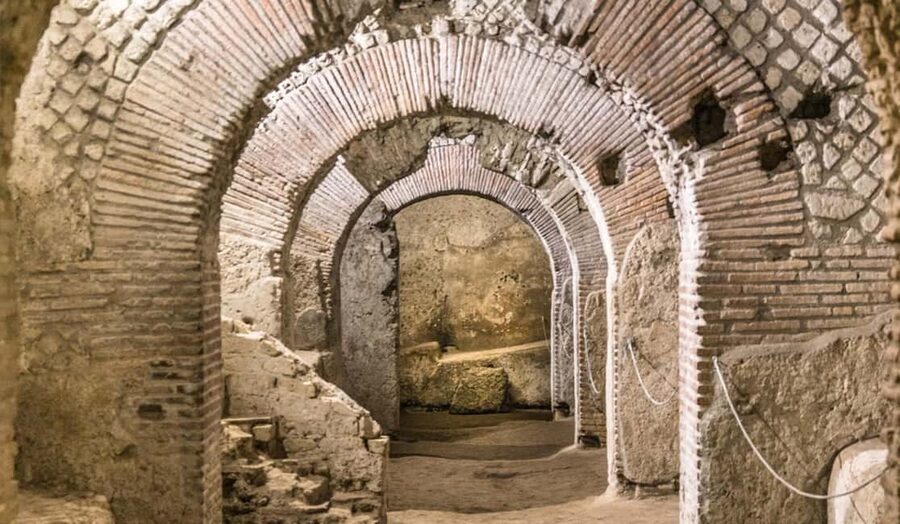
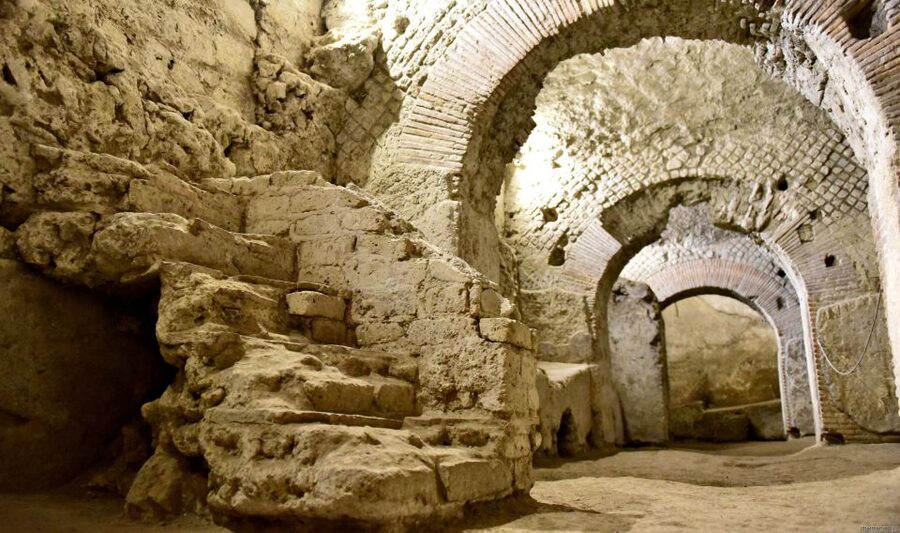
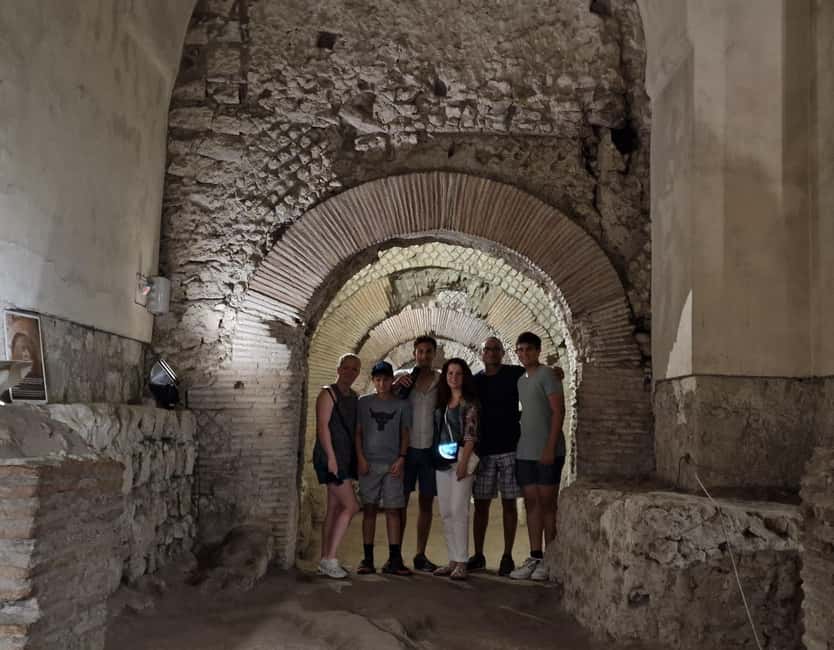
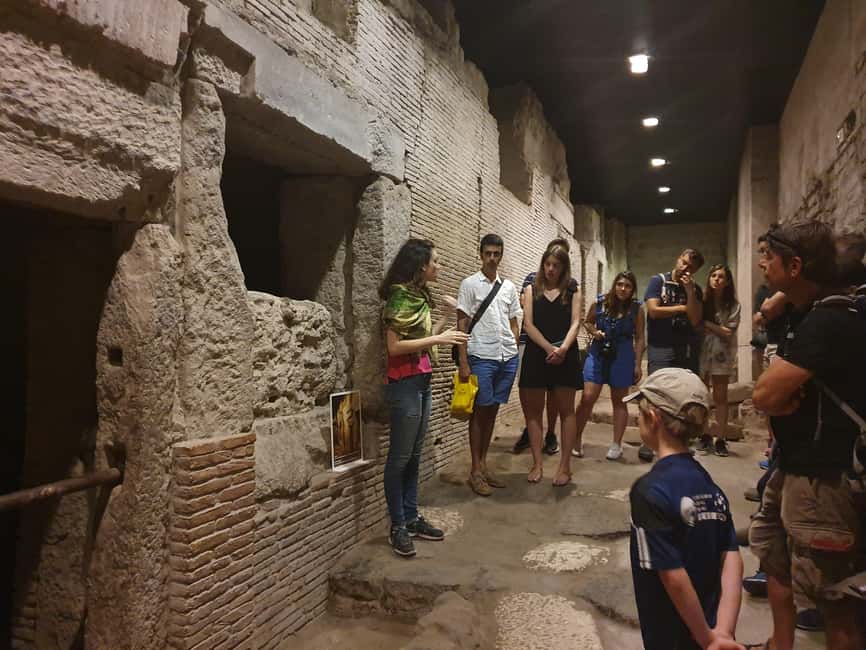
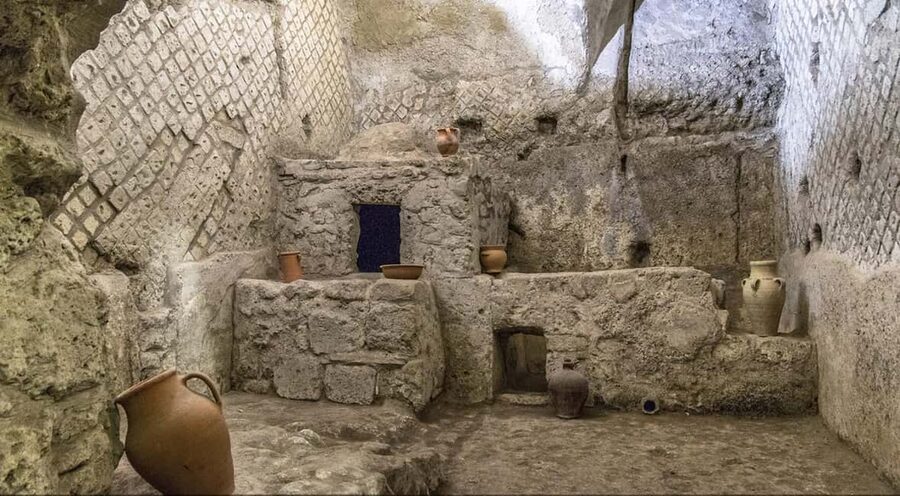
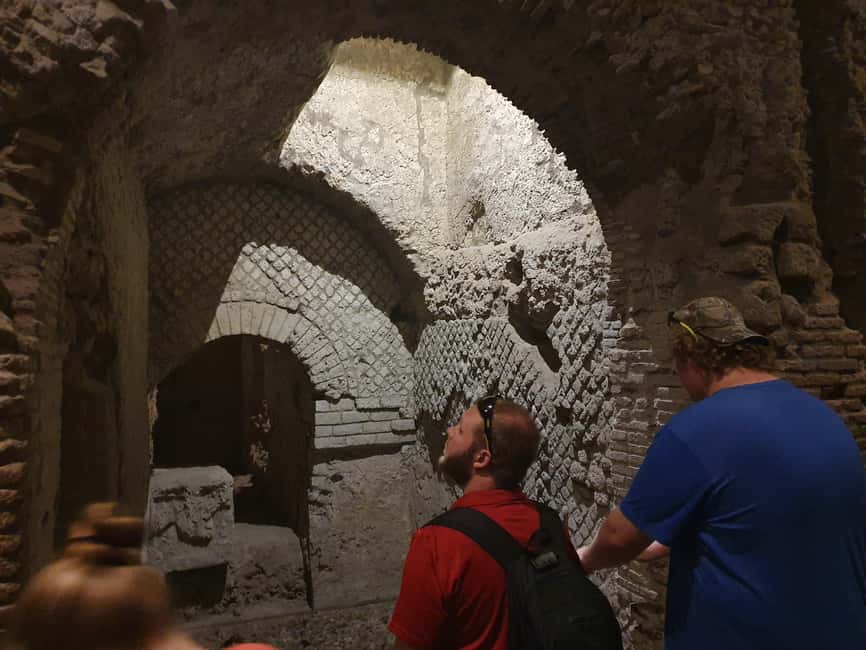
This is the moment that makes the whole tour feel worth the money. The tour drops you underground for about 30 minutes in Neapolis Sotterrata, where you walk ancient Roman streets and see physical remnants of everyday life: mosaics, columns, and remnants of older markets. You’ll also get to early Christian crypts, which makes the site feel less like a single time period and more like a survival story.
The value here is the guide’s ability to point out what you’re looking at. Underground ruins are easy to view passively; a good guide turns them into a readable timeline. If you like archaeology but hate wandering around confused, this part is a real win.
One practical note: the underground segment is shorter than you might imagine, and that’s a good thing. The experience is intense and atmospheric, but you still get back to daylight soon enough to keep the tour from dragging.
Lunch Option: Caprese, Pasta, Dessert, and a Glass of Wine
If you choose the with-lunch option, you’ll get a set meal in the city center: caprese salad, a pasta dish, dessert, plus 1 glass of wine per person and water included. I like that this is simple and predictable. It removes the guesswork of finding a decent sit-down meal in the middle of a walking day.
This option also helps if your tour happens in cooler or hotter seasons, because you’re getting an actual break rather than just snacks. If you have allergies or intolerances, the booking info specifically asks you to notify the operator at the time of reservation, so don’t treat that as a detail.
What It’s Like on the Ground: Shoes, Pace, and Weather Reality
Plan for serious walking. One participant reported about 10 miles in a longer-feeling day, so treat comfortable shoes as non-negotiable. The streets are narrow and can include uneven pavement, stairs, and steep slopes, so pick footwear with grip and support.
Also, think about weather. Naples can move fast from dry to wet, and slick stones make a difference. Bring water and keep your camera ready, but don’t overpack with bulky bags—luggage or large bags aren’t allowed, and pets aren’t allowed either.
The pace is usually managed by the guide and often works well for mixed groups, but translation can affect rhythm when multiple languages are used. If you’re sensitive to slower pacing, you might prefer a single-language group when available.
Small Group Energy: Why the Guide Matters

This tour works because you don’t just watch history; you ask questions while you walk. Small group format helps with that, and many guides have been praised for balancing history explanations with practical city help. Names that have come up include Nunzia, Clemente, Giuseppe, Giovanni, Adriana, Daniel, Jon Paul, Titi, Arianna, and Fulvio.
What I’d take from those experiences is this: the best part isn’t only what you see—it’s why you’re seeing it. A good guide will connect the dots from streets above ground to ruins below, and will also point you toward what to try next for food. If you’re the type who likes to understand what you’re looking at, you’ll feel the payoff quickly.
Who This Tour Is For (and Who Should Skip It)
I’d recommend this tour if you want a first-day overview of the historic center plus a real underground component. It’s also a great match if you’re food-curious and want your Naples meal choices to feel grounded in local traditions rather than random tourist picks.
Skip it if you have mobility issues, because it’s specifically not suitable for people with mobility impairments and includes uneven streets, stairs, and steep slopes. If you’re looking for a super relaxed stroll with minimal effort, you might find the walking amount too intense.
If you’re a hardcore ruin hunter who prefers total independence, consider whether you’d rather buy an underground ticket and wander alone. The tour’s strongest value is the guided explanation plus the connected street-level route.
Should You Book This Naples Walking Tour With Underground Ruins?
Book it if you want a guided plan that covers the big Naples highlights without wasting time figuring things out yourself. The $35 price point works best when you compare what’s included: a local guide, a structured walking route through major landmarks, and an actual underground Roman ruins ticket at Neapolis Sotterrata. Add the lunch option if you like having a set meal built in during your sightseeing day.
Don’t book it if your priority is minimal walking or you can’t handle uneven streets and slopes. Also think twice if you already know you’ll enjoy ruins but don’t care about the story behind them—because the underground time is short, and the guide’s interpretation is a big part of the value.
If you’re happy to wear good shoes, walk through classic Naples streets, and spend a focused half hour underground, this is a strong, practical way to experience the city fast.
FAQ
Where does the tour start?
The meeting point is next to the Neptune Fountain in Piazza Municipio, Napoli.
How long is the tour?
The tour duration is listed as 3 to 5 hours.
Is the Underground Roman Ruins visit included?
Yes. The tour includes a guided visit to the underground ruins of Neapolis Sotterrata (about 30 minutes).
What’s included in the lunch option?
The lunch option includes caprese salad, a pasta dish, dessert, 1 glass of wine per person, and water.
Do I need hotel pickup or drop-off?
No. Hotel pickup/drop-off is not included.
What languages are offered?
The tour is available in English, Italian, and Spanish, and it can be bilingual.
What should I bring?
Bring comfortable shoes, a camera, water, and comfortable clothes.
Is luggage allowed?
No. Luggage or large bags are not allowed.
Is the tour suitable for people with mobility impairments?
No. It is not suitable for people with mobility impairments.
Can I bring pets?
No. Pets are not allowed.