REVIEW · KENYA
Nairobi Walking tour:Explore History Culture and Traditions
Book on GetYourGuide →Operated by Pumbaa city adventures and safaris · Bookable on GetYourGuide
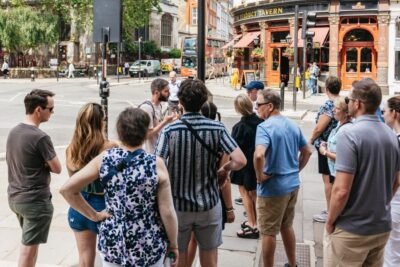
Nairobi feels personal when you walk it. This 3-hour downtown tour is built around landmark stops that show how faith, government, and daily commerce sit side by side in central Nairobi, starting right at the Carrefour entrance by the Supreme Court. I like that the guides (Edwin and John come up again and again) tell the story in a way that keeps you switched on, instead of turning it into a lecture.
I also love the simple pacing: you get a planned break for local coffee, then a real chance to cool down at Uhuru Park before the city views and monuments pull you back in. One consideration: meals and drinks are not included, so don’t plan on this being your lunch plan.
In This Review
- Key highlights that make this tour worth your time
- Where the tour starts: Carrefour by the Supreme Court
- War Monuments and McMilan Memorial Library: the city’s memory markers
- Jamia Mosque and City Market: faith and everyday business in one walk
- Coffee break and the art of not overheating
- Uhuru Park and the Cathedral Basilica: a green reset plus architecture
- University of Nairobi, Norfolk Hotel views, and the KICC photo moment
- Nairobi Railway Museum: why movement matters in city history
- Masai Market shopping: crafts, souvenirs, and getting good value
- Bomb Blast Memorial Park: a respectful stop inside a working city
- Price and logistics: what $22 buys you (and what costs extra)
- Who this Nairobi CBD walk is best for
- Comfort checklist so you enjoy the walk
- Should you book this Nairobi walking tour?
- FAQ
- How long is the Nairobi walking tour?
- What does the $22 per person price include?
- Where does the tour start?
- Is hotel pickup included?
- Are meals or drinks included?
- Is coffee included?
- Do I need tickets for the stops?
- Is KICC helipad access included?
- What languages are available for the guide?
- Is the tour accessible for wheelchairs?
Key highlights that make this tour worth your time
- Pickup at the Carrefour entrance beside the Supreme Court so you’re not scrambling to find the group
- Edwin and John lead with story-first guiding that keeps the walk interesting
- A coffee tasting break that gives you a breather without killing the momentum
- Uhuru Park as the reset button with time to sit and enjoy the greenery
- Masai Market shopping time with help from your guide to shop smart
- Bomb Blast Memorial Park for a respectful, reflective moment in the middle of the city
Where the tour starts: Carrefour by the Supreme Court

The day begins in central Nairobi, with pickup options across the city and a meeting point at the Carrefour entrance beside the Supreme Court. If your hotel is within 10 km in Nairobi Municipality, pickup is included. If it’s not on their list, you can send your exact location on WhatsApp and they’ll sort it out.
This matters more than it sounds. Downtown Nairobi can be confusing for your first day, and a clear starting point means you spend energy seeing the city instead of doing math with maps and taxis. The tour also includes a short safety briefing right after pickup, so you start walking with the right expectations about crossing busy streets and moving as a group.
War Monuments and McMilan Memorial Library: the city’s memory markers
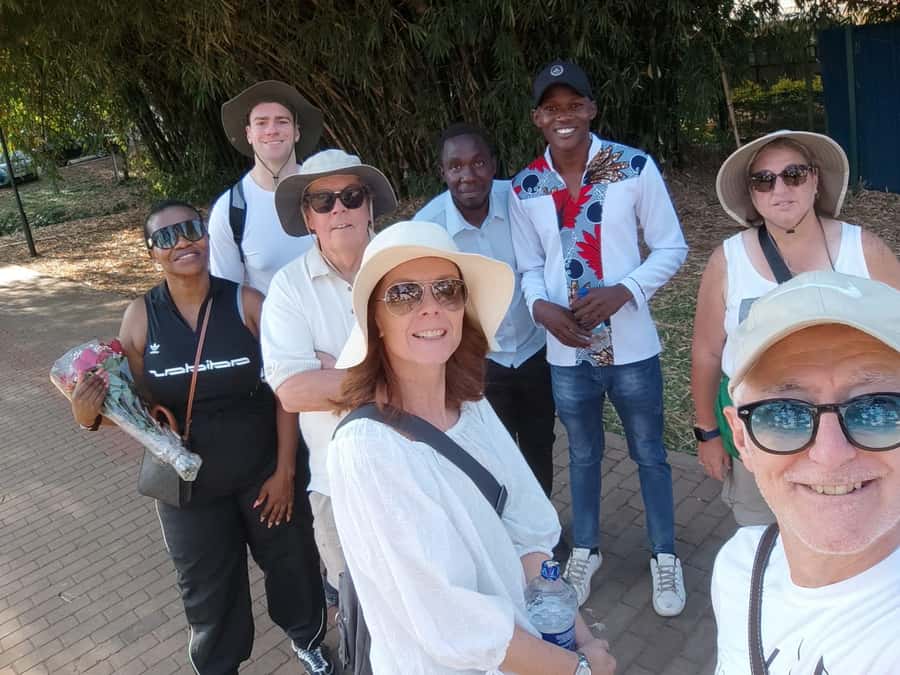
Early on, you hit two major layers of Nairobi’s public memory: War Monuments and McMilan Memorial Library. Even if you only glance at a monument for a minute, the power here is in context. You see how national and colonial-era landmarks shaped the look and tone of the CBD, then you’re taken to a library space that signals learning and civic life in the same area.
The library stop also includes entrance, and the tour offers a skip-the-ticket-line benefit. That’s practical in a city where lines and waiting can eat into your short, 3-hour window. If you like understanding why buildings look the way they do—rather than just checking photos—this portion is a good use of time.
Jamia Mosque and City Market: faith and everyday business in one walk
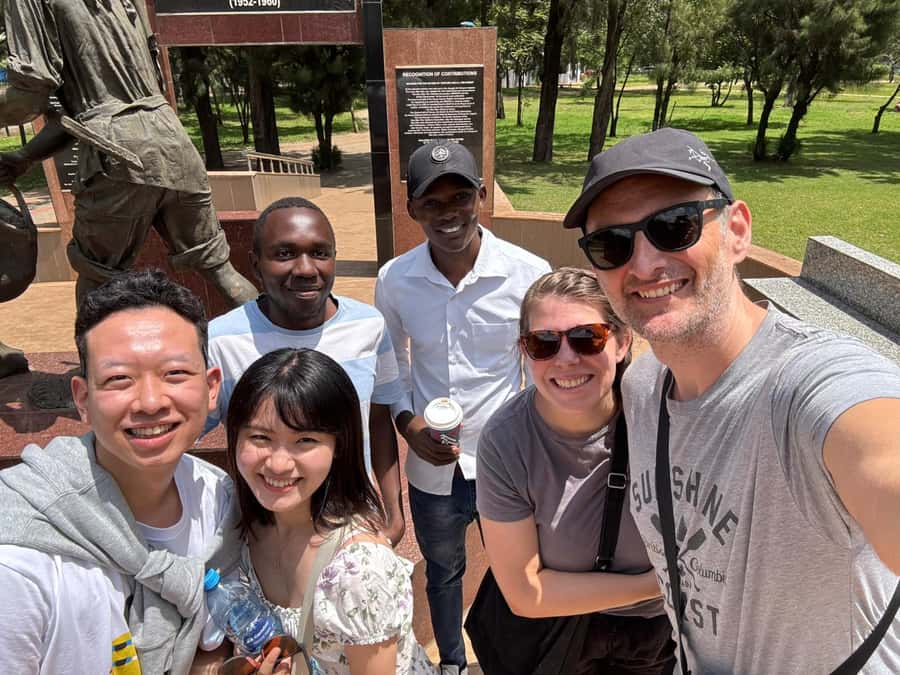
Next you move into a part of town where Nairobi’s daily rhythm is visible. Jamia Mosque is a key stop, and the experience is not only about architecture. It’s also about noticing how people move, shop, and worship within blocks that also hold offices, hotels, and government buildings.
Then it’s on to City Market, plus Jevanjee Garden. City Market is the kind of place where you’ll feel Nairobi’s trade culture close up—stalls, foot traffic, and people doing business the way locals do it. Jevanjee Garden gives you a breather and helps break up the stop-and-go feeling that some walking tours have.
What I like about this section is the balance. Religious and commercial Nairobi aren’t treated as separate worlds. You see how they overlap, which helps you understand the city more realistically.
Coffee break and the art of not overheating
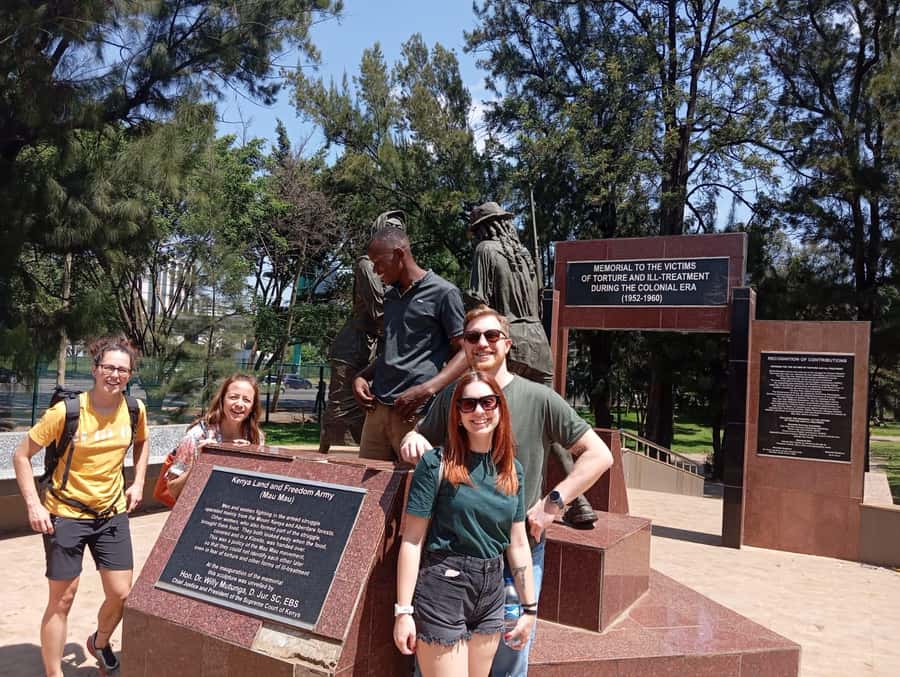
About mid-walk, there’s a break time at a local café. The tour specifically includes a coffee taste, and coffee is listed as optional—so you can choose your level of caffeination without losing the break.
This is a small stop that pays off. Nairobi sun can turn a “short walk” into a dehydration project if you’re not ready. The break gives you a chance to refill mentally and physically, then rejoin the group with better energy for the bigger sightseeing blocks.
Practical tip: use the break to top up water too. The tour strongly suggests you carry water, and that’s good advice for a 3-hour route with outdoor walking.
Uhuru Park and the Cathedral Basilica: a green reset plus architecture
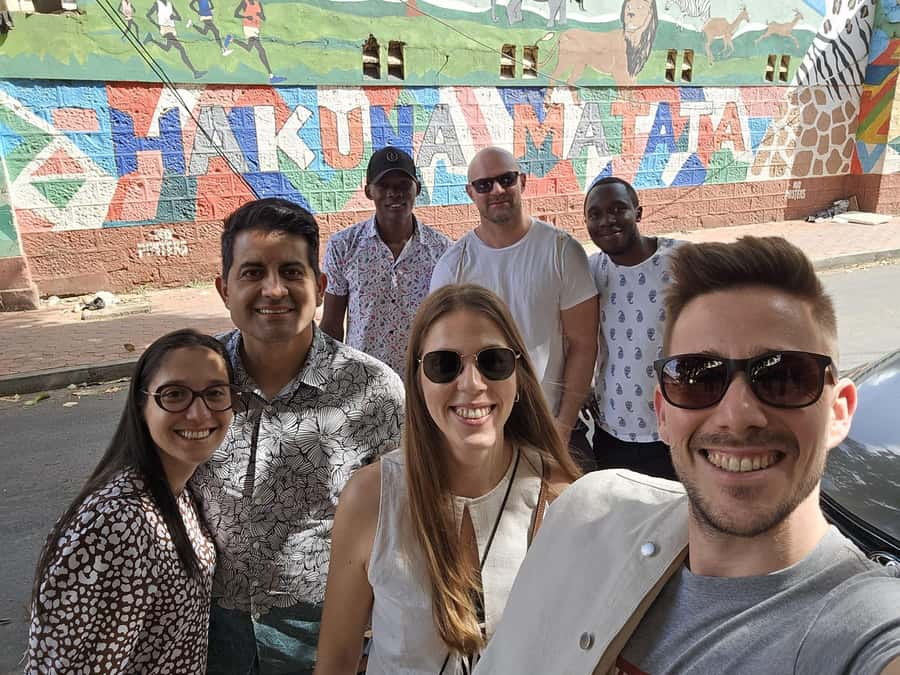
Then comes Uhuru Park, one of the standout pauses in the schedule. Entrance to Uhuru Park is included, and the time there is about more than photos. You get time to walk through and also sit down and recover from the sun and traffic noise.
Right after that, you visit the Cathedral Basilica of the Holy Family. The value here is seeing a major religious building in the context of the city’s modern institutions nearby. It helps the CBD feel real—this isn’t just a government-and-monument zone.
For me, this combination works because it gives contrast. You’re not stuck with one kind of scene. You go from park calm to the cathedral’s presence, and your eyes get a fresh reset between stops.
University of Nairobi, Norfolk Hotel views, and the KICC photo moment
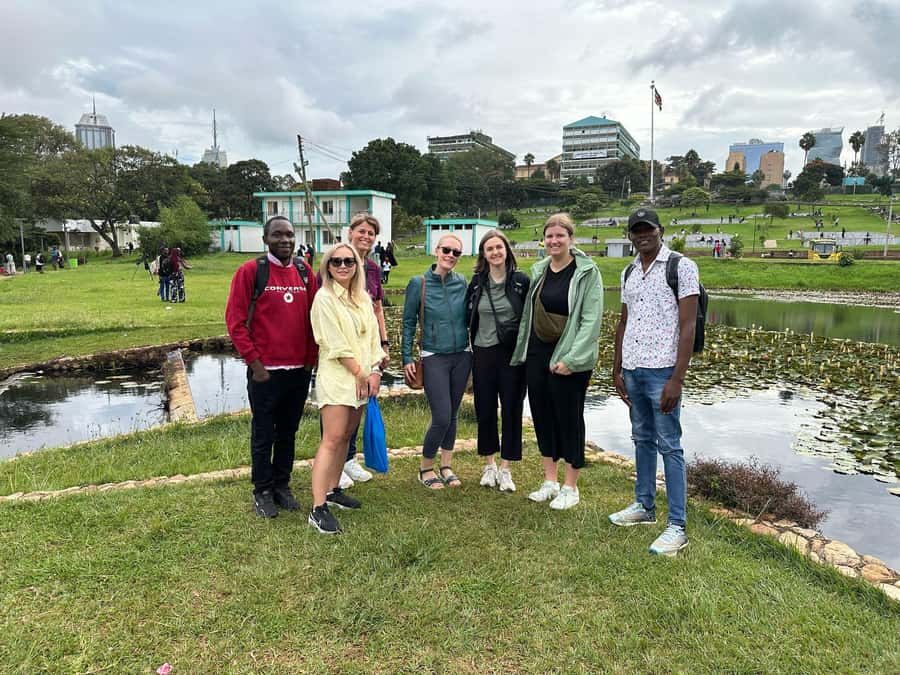
Next you stroll toward the University of Nairobi area and get a glimpse of the renowned Norfolk Hotel from the surroundings. This section is especially helpful if it’s your first trip to Nairobi, because it anchors you with recognizable landmarks and gives you a sense of where major institutions sit in relation to the CBD.
After that, the tour heads to the Kenyatta International Conference Centre (KICC) for a photo stop and scenic views, plus visits to surrounding government buildings. You’ll want to bring your camera here—KICC is one of those places where the city layout clicks into place.
One extra note: the KICC helipad fee is not included. If you’re specifically aiming for that, plan for an additional cost. If you’re fine with views and photos from the main areas, you’ll still get plenty from this stop.
Nairobi Railway Museum: why movement matters in city history

You’ll also visit the Kenya Railway Museum. The draw is straightforward: railways explain how people and goods moved, and that movement shapes how cities grow. In a downtown walk that’s already hitting government buildings, markets, and memorials, the railway museum adds an important angle.
The stop includes a visit and also a pass-by element, so you should get enough time to understand what you’re looking at without the schedule dragging. It’s a good balance point between “big monuments” and “everyday city life.”
Masai Market shopping: crafts, souvenirs, and getting good value
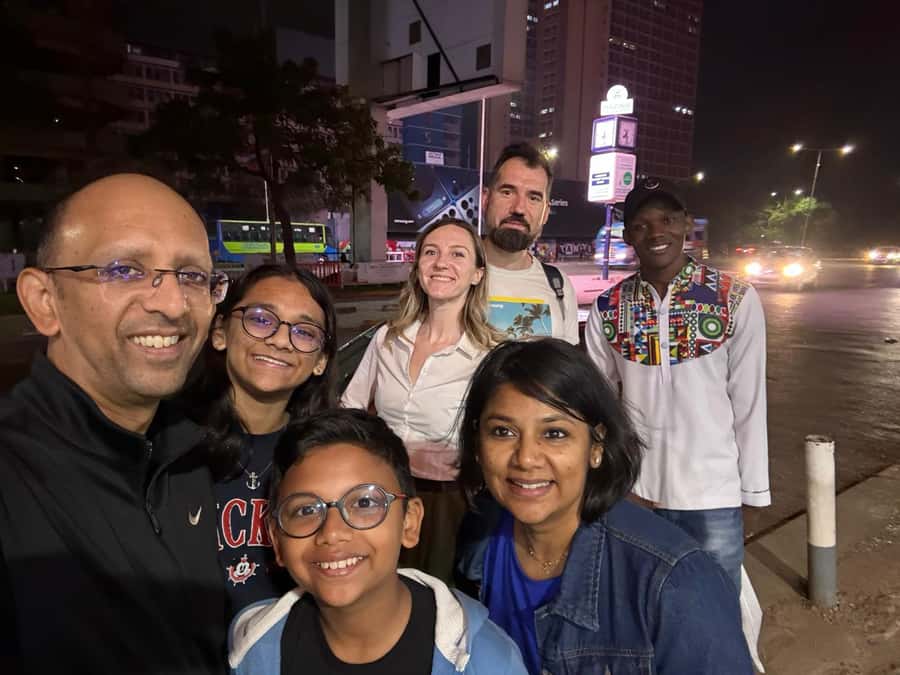
Near the end, you enter the Masai Market, a local hub for crafts and culture. This is your chance to shop for souvenirs, and the tour includes shopping time.
The practical value is that your guide can help you navigate the place and shop with confidence. In particular, guides are praised for helping visitors get the best prices—use that. When you’re in a market setting and you’re not sure what’s fair, a little local guidance can save you money and stress.
My suggestion: keep your shopping light during the walk, and choose only what you truly want. You’ll see enough to inspire you, but your limited time means you don’t want regrets later.
Bomb Blast Memorial Park: a respectful stop inside a working city
Finally, the tour includes a respectful visit to the Bomb Blast Memorial Park. This part of the route is different from the shopping and sightseeing. It’s reflective, and it’s placed where it can slow your pace a bit so the day doesn’t feel like only monuments and photos.
If you’re the type who likes to understand not just what a city celebrates, but what it remembers, this stop lands well. It gives Nairobi depth, and it helps the rest of the landmarks make more sense.
Price and logistics: what $22 buys you (and what costs extra)
At $22 per person for 3 hours, this is strong value for a downtown route with lots of stops and guide time. You’re getting:
- guided walking access across multiple major CBD landmarks
- included visits at key sites like McMilan Memorial Library and Uhuru Park
- entrance support at selected stops
- pickup up to 10 km in Nairobi Municipality (or help coordinating pickup location if you’re outside the listed set)
- skip-the-ticket-line benefit
What’s not included is also clear. Meals and drinks aren’t provided, and coffee is marked as optional (though there’s a coffee break in the schedule). Also, the KICC helipad fee is not included.
For most people, the costs you’ll add are minor: maybe a drink, a snack, or optional extras depending on your interests. If you want a simple, well-paced first look at Nairobi’s CBD, the price fits what you actually spend.
Who this Nairobi CBD walk is best for
This tour is ideal if you:
- want an efficient first day orientation to central Nairobi
- prefer walking with a guide who can explain what you’re seeing in plain language
- enjoy seeing how government, faith sites, markets, and parks connect
- like a mix of photos, short visits, and breathing-room breaks
It may be less ideal if you:
- want a long, deep historical study session (this is still a 3-hour route)
- plan on having the tour provide your full meals and drinks
- are mainly interested in Nairobi wildlife safaris (this is city-based)
Comfort checklist so you enjoy the walk
You’ll be outside for most of the 3-hour experience, so go prepared:
- wear comfortable walking shoes
- bring a hat and sunscreen
- carry water
- be ready for changing weather
- photography is allowed
There’s also wheelchair accessibility listed, which is helpful if you need an accessible route. Still, because it’s a walking tour with multiple stops, it’s smart to confirm what your mobility needs look like before you go.
Should you book this Nairobi walking tour?
I’d book it if you want a clean, structured way to understand Nairobi’s CBD without spending your day stuck on directions. The biggest strengths are the mix of stops (mosque, market, parks, major conference/government landmark viewpoints) and the built-in pacing breaks like the coffee stop and time in Uhuru Park. The memorial stop is also handled respectfully, which adds meaning beyond the usual photo run.
Book it especially if it’s your first time in Nairobi and you want to get your bearings fast—without feeling rushed.
If you want, tell me your travel dates and where you’re staying, and I’ll suggest the best time of day to do this walk based on sun exposure and how you like to pace.
FAQ
How long is the Nairobi walking tour?
It runs for 3 hours.
What does the $22 per person price include?
You get a guided tour of Nairobi landmarks, visits to key sites (including McMilan Memorial Library and Jamia Mosque), time in Uhuru Park, shopping at Masai Market, a visit to the Nairobi Railway Museum, and a respectful visit to Bomb Blast Memorial Park. Pickup to the starting point is also included.
Where does the tour start?
The tour starts at the Carrefour entrance next to the Supreme Court building in Nairobi.
Is hotel pickup included?
Yes. Pickup is included up to 10 km within Nairobi Municipality, and you meet the guide at your hotel/apartment/hostel entrance. If your location isn’t in the pickup list, you can message your location on WhatsApp.
Are meals or drinks included?
No. Meals and drinks are not included.
Is coffee included?
There is a coffee stop during a break time. Coffee is marked as optional, and the tour includes the break where you can taste local coffee.
Do I need tickets for the stops?
The tour includes entrance to McMilan Memorial Library and Uhuru Park, and it includes a skip-the-ticket-line benefit for smoother entry.
Is KICC helipad access included?
No. The KICC helipad fee is not included.
What languages are available for the guide?
Spanish, English, and French.
Is the tour accessible for wheelchairs?
Wheelchair accessibility is listed as available.