REVIEW · MARRAKESH
Marrakech: Monuments, Souks and Medina Guided Walking Tour
Book on GetYourGuide →Operated by Moments in Morocco - Tour Agency · Bookable on GetYourGuide
First time in Marrakech can feel like sensory overload. This half-day walking tour helps you make sense of the medina fast, while you see major sights like Bahia Palace and Ben Youssef Medersa.
What I like most is that it mixes top architecture with hands-on market streets, so you get both the wow-factor and the everyday texture of Marrakesh. A second strong point: the pace includes free time inside monuments, not just stop-and-shuffle photos.
The main thing to plan for is walking. This tour isn’t for people with mobility impairments, and you’ll want solid shoes and water because you’re moving through uneven medina lanes and busy souks.
In This Review
- Key highlights worth your attention
- Getting oriented at Cafe de France in Djemaa el-Fna
- Bahia Palace: 19th-century luxury you can read in details
- Souk Semmarine: clothing and leather with a real trader’s logic
- Souk El Attarine: spices, perfumes, and what’s behind the smells
- Artisan workshops: pottery, metalwork, and wood in action
- Koutoubia Mosque: the landmark that anchors the city
- Ben Youssef Medersa: the stop that turns photos into understanding
- Medina time: walking the UNESCO lanes without losing your mind
- Optional Le Jardin Secret: Islamic art and calm when you need a break
- Price and logistics: does $23 feel worth it?
- Who this tour suits best
- Should you book this Marrakech guided walking tour?
- FAQ
- Where is the meeting point, and where does the tour end?
- Are entrance tickets included for Bahia Palace and Ben Youssef?
- Does the tour include skip-the-line access?
- Is hotel pickup included?
- What languages are the guides available in?
- What should I bring for the walking portion?
- Is Le Jardin Secret always part of the tour?
Key highlights worth your attention
- Bahia Palace: a 19th-century palace built for luxury, with details that reward slow looking
- Ben Youssef Medersa: zellij mosaic, carved cedarwood, and plasterwork you’ll actually spot once a guide points them out
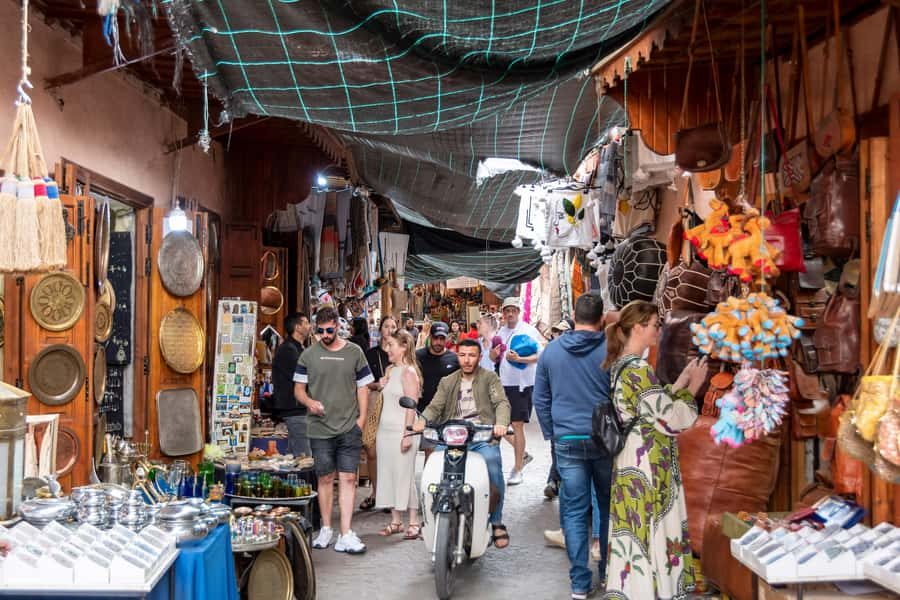
- Souk Semmarine + Souk El Attarine: traditional clothing and leather, then spices, perfumes, and beauty products
- Koutoubia Mosque stop: a landmark tied to Marrakesh’s skyline and architecture
- Medina walkthrough with time to wander: you get orientation plus breathing room
- Optional Le Jardin Secret: time-permitting calm in an Islamic garden setting
Getting oriented at Cafe de France in Djemaa el-Fna
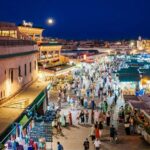
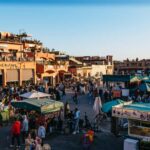
Your tour starts in front of Cafe de France at Jemaa el-Fna square. That spot matters. It’s one of the loudest, most confusing places in the center, so beginning there with a guide helps you avoid the classic new-in-town feeling of wandering in circles.
Also, you’re not just thrown into the crowd. You’ll get a WhatsApp reminder with your guide’s name and the meeting point, plus helpful tips. That small bit of coordination makes the first minutes smoother, especially if you’re arriving from a riad in the Medina.
And yes, you’ll walk back to the same meeting point at the end. That’s convenient. It means you don’t have to figure out transportation or negotiate new directions after you’re done.
You can also read our reviews of more walking tours in Marrakesh
Bahia Palace: 19th-century luxury you can read in details
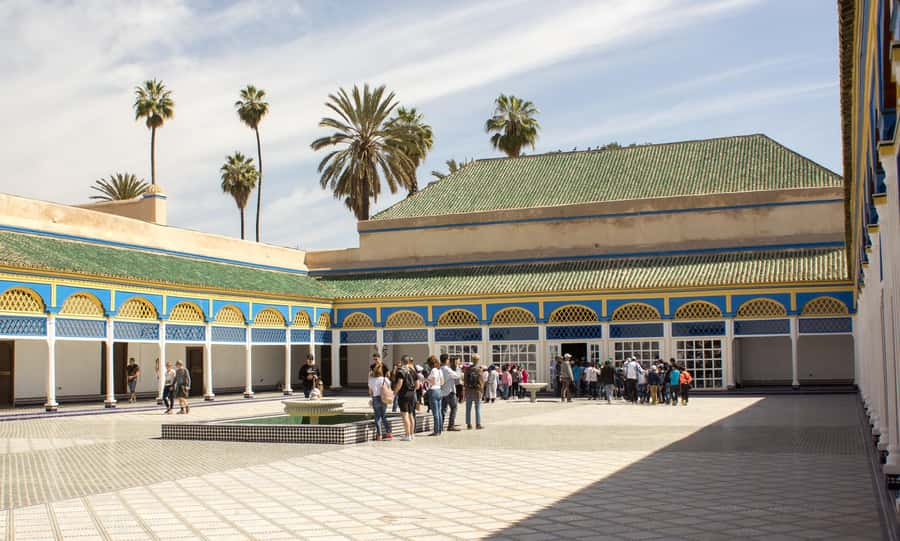
Bahia Palace is where the tour starts for a reason. This place is built to impress, but it’s also a good training ground for how to look at Moroccan craftsmanship.
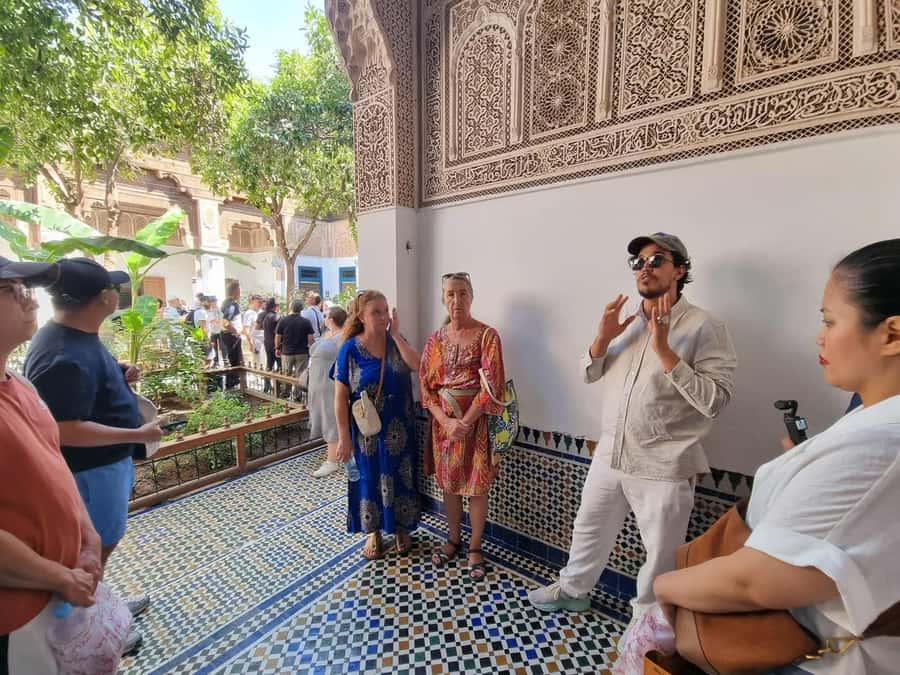
From the outside, you get the sense of scale. Inside, the story turns into materials and design—intricate layouts, decorative work, and the feeling of a home meant for power and comfort at the top end of Moroccan royal life. The guide’s job here is to slow you down just enough that you notice the patterns instead of only chasing photo angles.
Practical note: entry tickets are not included. Bahia Palace is 100 MAD per person, paid separately. The good part is that you get skip-the-line access, so you spend your time inside instead of queued up.
I also like that the tour includes free time to explore each monument at your own pace. Bahia Palace rewards it. If you’re the type who likes to linger on doors, ceilings, courtyards, and ornamental work, you’ll have a real chance to do it.
Souk Semmarine: clothing and leather with a real trader’s logic
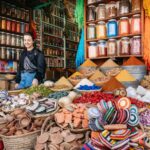
After Bahia Palace, the tour shifts from palace calm to market energy. Souk Semmarine is known for traditional clothing and finely crafted leather goods, and the guide helps you interpret what you’re seeing.
Without guidance, many souks feel like one long corridor of stalls. With guidance, you start noticing how stalls organize around skills and materials, and how sellers talk about quality. You’ll likely catch the difference between basic souvenirs and items made for durability, fit, or specific uses.
The most useful outcome here isn’t just shopping. It’s learning what questions to ask. Ask about materials, how items are made, and what a seller means when they describe quality. A good guide will coach you on what’s worth checking and what to ignore.
If you’re not shopping, you still benefit. The sights are worth it—fabrics, tools of the trade, and the rhythm of a working market. And you’ll have a clearer sense of where to look next when you continue on.
Souk El Attarine: spices, perfumes, and what’s behind the smells
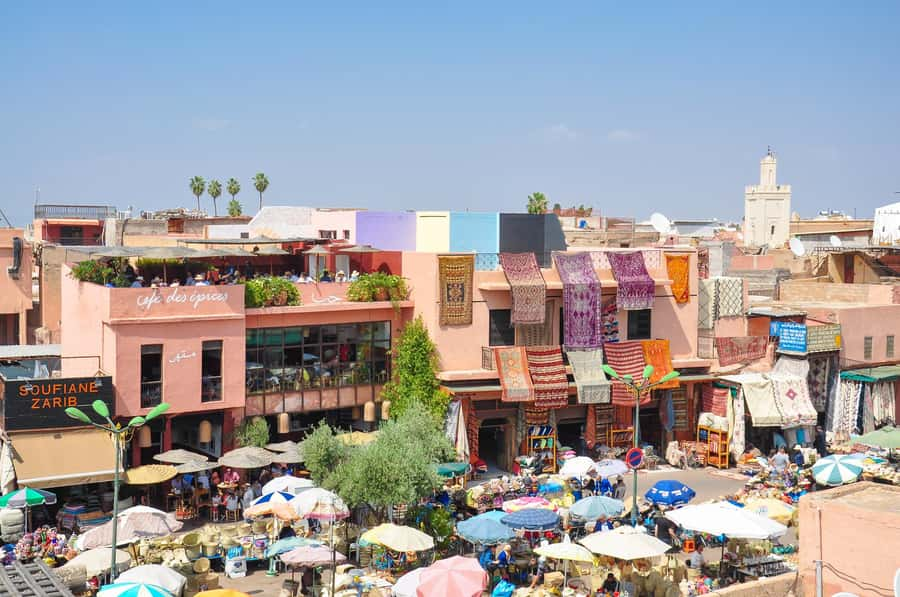
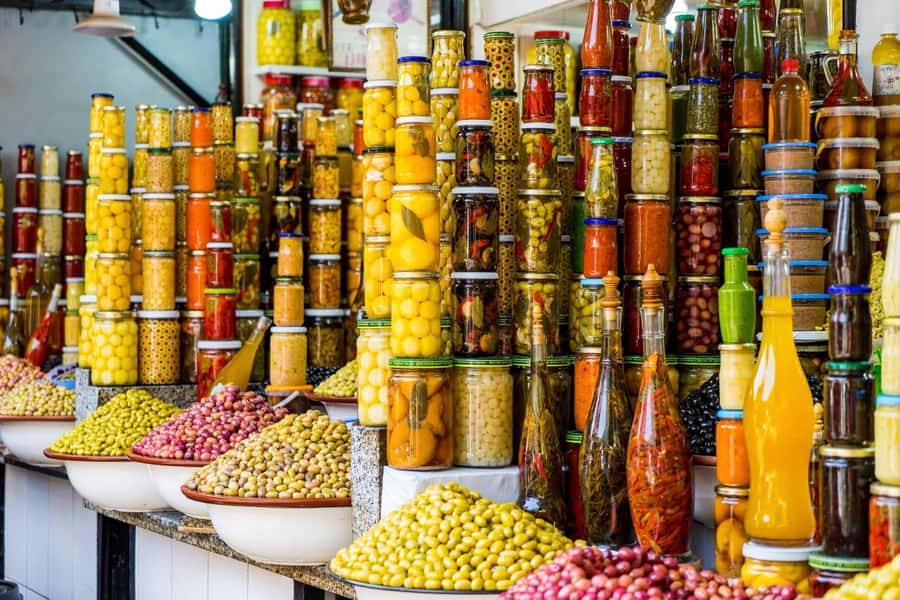
Next comes Souk El Attarine, famous for spices, perfumes, and beauty products. This is one of the easiest places to feel Marrakech’s senses in your face: scents in the air, colors in the light, and packaging that looks like art.
The guide’s value here is context. You’ll hear how these goods fit into Moroccan daily life—how spices are used, how perfumes are made, and why certain scent profiles are linked to traditional tastes. Even if you don’t buy, it’s fun to learn what you’re smelling.
There’s another practical side. Souk streets can be overwhelming fast. When someone local points out what’s typical, what’s overpriced, and what’s just a sales pitch, you stay in charge of your time.
Like Bahia, monument tickets are separate—but souks are part of the walking experience. You won’t pay admission to wander through here. You’ll mainly pay with effort (your feet) and attention.
Artisan workshops: pottery, metalwork, and wood in action
Between the souks and the more formal monuments, the tour includes nearby workshops where craftsmen create pottery, metalwork, and wooden artefacts. This stop can be the most satisfying one if you like watching skills at work.
What you’re looking at is not just a display. It’s the production process and the trade knowledge that gets passed along. A guide can help you connect what you’re seeing to what it means—like what materials are used, why certain finishes last longer, and how tools shape the final look.
Also, this is a nice pacing break. After shopping streets, you get a more focused experience: sit, watch, ask questions, and let your brain sort the chaos into real craft categories.
If you’re aiming to buy something, this is the place to do it carefully. You’ll be better equipped to spot craftsmanship and understand what you’re paying for. If you’re not buying, it still improves your understanding and makes the medina feel less like random wandering.
You can also read our reviews of more guided tours in Marrakesh

Koutoubia Mosque: the landmark that anchors the city
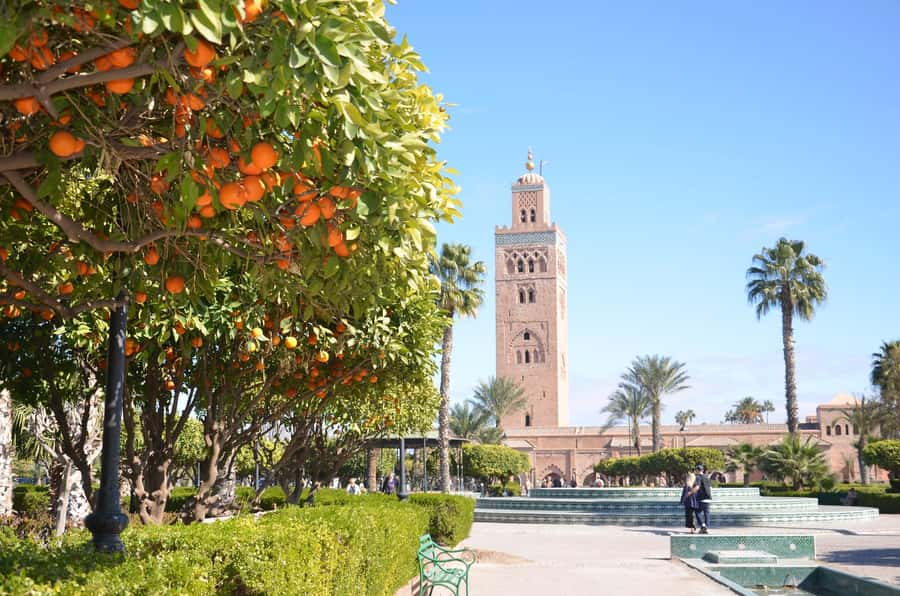
The tour highlights the Koutoubia Mosque for its history and architecture. Even if you only get a look at it from the right angle, Koutoubia is one of the best-known symbols of Marrakesh.
From a visitor perspective, it’s useful because it gives you a visual anchor. Once you’ve seen Koutoubia, the rest of the route makes more sense in your head. You start linking what you’re walking past to what the city is built around.
This stop is also about appreciation. Mosque architecture in Morocco isn’t only about size. It’s about geometry, proportion, ornamentation choices, and how buildings relate to open space. A guide’s explanations help you move from guessing to recognizing.
Ben Youssef Medersa: the stop that turns photos into understanding
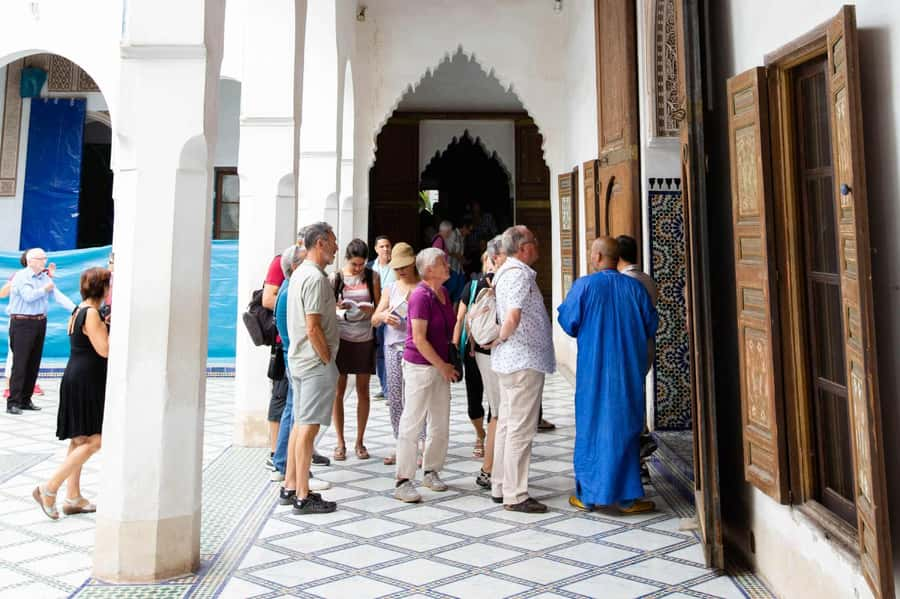
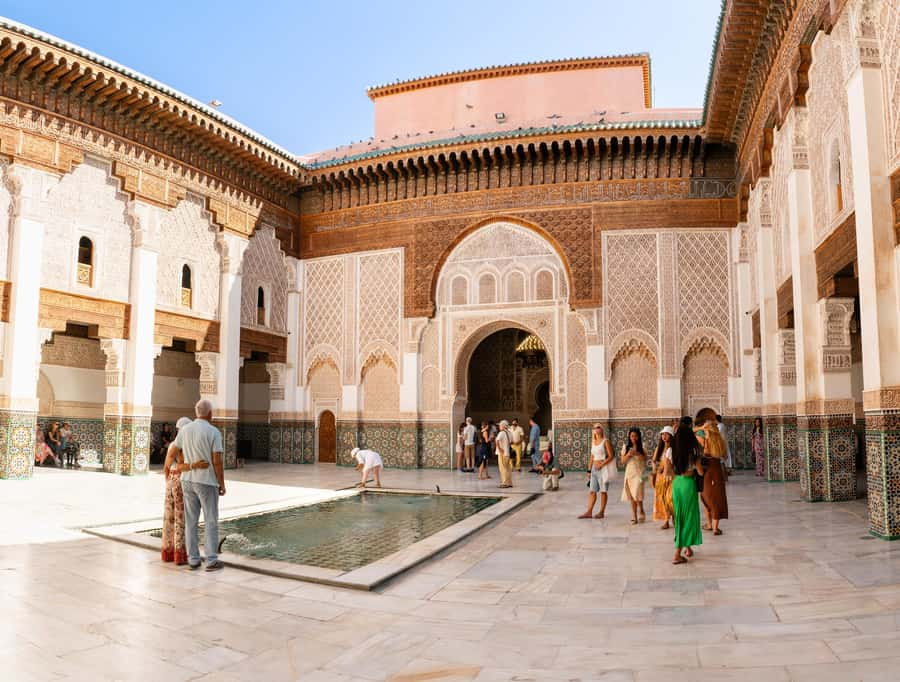
If you want one place where a guide truly changes everything, it’s Ben Youssef Medersa. This historic Quranic school from the Saadian era is a masterclass in decorative detail.
The standout elements you’ll hear about—and then start spotting yourself—include zellij mosaics, carved cedarwood, and exquisite stucco plasterwork. Without pointing these out, people often walk through and only notice the overall beauty. With the guide, you start noticing the craftsmanship logic: how the patterns work, how materials blend, and how ornament follows the building’s function.
Entry tickets for Ben Youssef are not included and are 50 MAD per person. The good news is you have skip-the-line access, and the tour builds in time for you to explore.
Also, this is one of the best stops for photography if you’re patient. The light in medersa courtyards and corridors shifts during the visit, and having free time lets you catch angles without rushing your way through.
Medina time: walking the UNESCO lanes without losing your mind
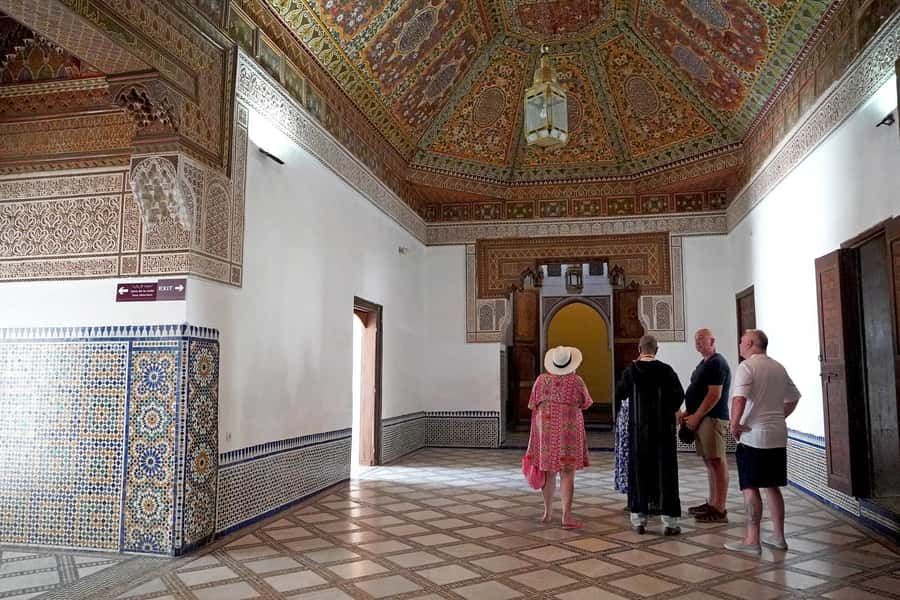
After the monuments, you move into the Medina, part of a UNESCO World Heritage setting. This is the part people imagine: narrow lanes, craft stalls, and the feeling of a living city.
Here, your guide’s role is practical safety and simple orientation. Even experienced travelers can find the medina intimidating at first. A guide helps you move through the chaos with less stress, and you’re more likely to notice what’s around you because you’re not constantly trying to find your bearings.
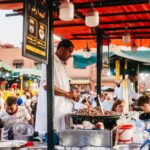
You’ll also get more than one kind of street experience. You’ll pass market areas for spices, textiles, jewellery, and other everyday goods. The trick is learning which streets are “showing you” and which streets are “selling you.” A guide can point out the difference while you’re still enjoying the walk.
Tip for your own comfort: plan to stop for photos and small stretches. The tour’s structure includes time to wander at your own pace at key monuments, which makes the medina portion feel less like a sprint.
Optional Le Jardin Secret: Islamic art and calm when you need a break
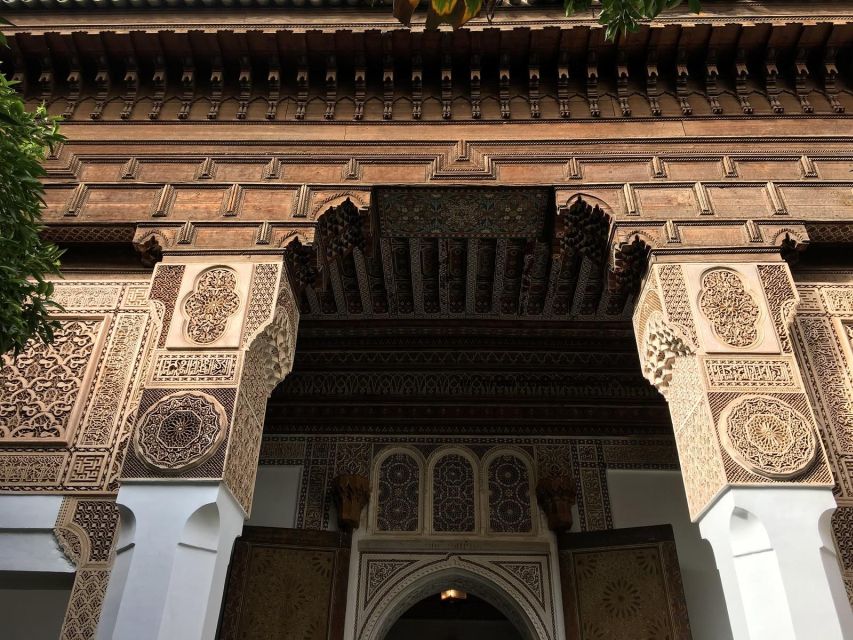
If there’s time based on the group’s pace, the tour may include Le Jardin Secret. This is an oasis-like pause inside the Medina, featuring Islamic art and architecture plus calming fountains and a quieter atmosphere.
It’s a good choice if you feel medina fatigue building. The contrast between loud market streets and garden calm helps your brain reset. And if you’re into details, gardens here aren’t only about greenery. They’re about geometry, water, and design language.
Entry tickets for Le Jardin Secret are not included and are 100 MAD per person. If you’re watching your budget, decide early whether you want this add-on. Since it’s time-permitting, you’ll want to ask your guide what’s realistically possible for your day’s schedule.
Price and logistics: does $23 feel worth it?
At $23 per person, this tour sits in the “good value” category for Marrakech—especially because it includes a licensed local guide, skip-the-line access to monuments, and free time inside sites.
What you should factor in is the separate cost of entries:
- Bahia Palace: 100 MAD
- Ben Youssef Medersa: 50 MAD
- Le Jardin Secret (if included): 100 MAD per person
So the sticker price is lower than the full day cost, because the main attraction fees are paid separately. That’s normal in Morocco, but it’s worth planning for so you’re not surprised mid-tour.
Another practical value point: the tour can be private or small-group, depending on the option you select. Private can also include hotel pickup from your riad/hotel within the Medina. If you’re staying inside the Medina and don’t want to negotiate directions first thing, that’s a real convenience.
Also consider the group pace. Most feedback points to a comfortable rhythm and room for questions. Still, some days can feel tight if the group moves quickly, especially in the medina. If you want extra time for photos, mention it early to your guide and ask for a slower pace where it matters to you.
Who this tour suits best
This is a smart fit if:
- You want a first-day orientation in Marrakech without getting swallowed by the medina maze
- You care about architecture details and want someone to point out what to notice
- You like market energy but don’t want to feel lost
- You’re traveling solo and want a safer-feeling structure around the loudest areas
It may not be ideal if:
- You have limited mobility or find longer walking hard
- You prefer a very slow, museum-style pace with long sit-down breaks (this is built as a half-day walk)
- You strongly dislike shop stops or demonstrations. The workshop component is included, and souks naturally bring you near sellers.
Should you book this Marrakech guided walking tour?
I’d book it if this is your first trip to Marrakech and you want a fast, structured way to see the city’s big names—Bahia Palace, Ben Youssef Medersa, and the Medina—without spending your day figuring out logistics. The guide format is the main value: context, pacing help, and a safer feeling through crowded lanes.
I’d think twice if you’re the type who wants only ticketed monuments with zero market time, or if you’re extremely sensitive to walking on uneven surfaces. In that case, look for a tour with fewer stops and more transportation support.
If you go, go prepared: comfortable shoes, a sun hat, sunglasses, and water. And when the guide offers explanations, take them seriously for 10 minutes at a time—you’ll start noticing the details that make Marrakech special.
FAQ
Where is the meeting point, and where does the tour end?
You meet your guide in front of Cafe de France in Djemaa el-Fna. The tour ends back at the same meeting point.
Are entrance tickets included for Bahia Palace and Ben Youssef?
No. Monument entry tickets are not included. Bahia Palace is 100 MAD, Ben Youssef Medersa is 50 MAD, and Le Jardin Secret (if visited) is 100 MAD per person.
Does the tour include skip-the-line access?
Yes. The tour includes skip-the-line access to monuments.
Is hotel pickup included?
Hotel pickup is included only for the private option, and it’s within the Medina area.
What languages are the guides available in?
The tour is offered in French and English.
What should I bring for the walking portion?
Bring comfortable shoes, water, sunglasses, and a sun hat.
Is Le Jardin Secret always part of the tour?
It’s included only if time permits and depending on the group’s pace.