REVIEW · LUXEMBOURG
Luxembourg City: Guided Walking Tour with Cultural Insights
Book on GetYourGuide →Operated by SIGHTSEEING.LU · Bookable on GetYourGuide
Luxembourg City looks better with a local guide. I love the Corniche balcony views and the Neumünster Abbey calm, story-filled setting, and the guide ties it all to Luxembourg’s founding era, including Siegfried and the Grand Ducal Palace. The only real drawback: you’re on your feet for about 150 minutes, so bring comfortable shoes and expect some uneven ground around historic streets.
What makes this tour especially handy is how it blends famous landmarks with the in-between details that make the city feel real. I also like that the guide role shifts with the day, too, with English-language guides such as Anders, Roxana, Tessy, Debbie, and Maria showing different angles of the same places. If you want a long sit-down meal-and-drinks experience, plan to treat this as sightseeing plus a sweet stop, not a full meal.
In This Review
- Quick Hits on This Luxembourg City Walking Tour
- Why This 150-Minute Luxembourg City Walk Works
- Starting at Place Guillaume II: Siegfried and the Grand Duchy Story
- Grand-Ducal Palace and Notre-Dame Cathedral: Power in Stone
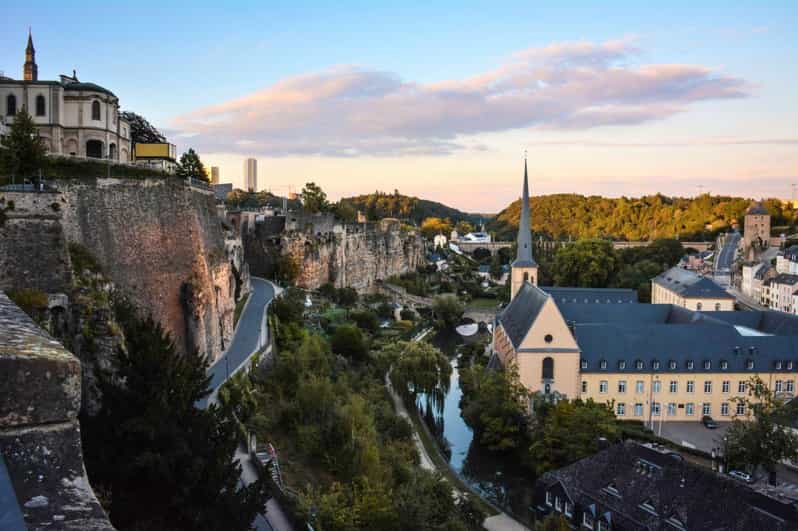
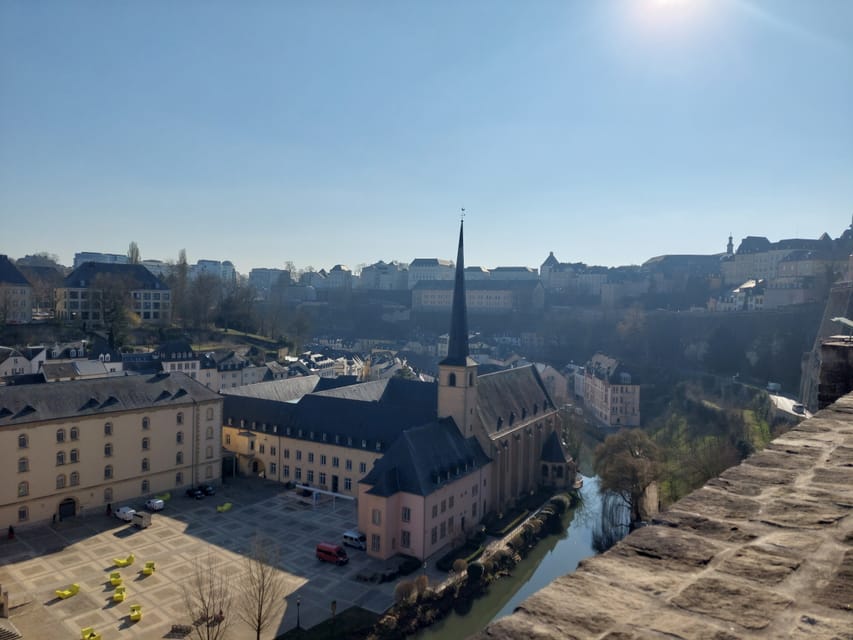
- The Corniche: Europe’s Balcony and the Alzette Valley Views
- Neumünster Abbey: A Quiet Pause That Changes the Mood
- Pfaffenthal Elevator: Turning Hills Into a View
- Pescatore, J.P. Foundation and the City’s Modern Layer
- Léa Linster Delicatessen: The Sweet Stop That Feels Local
- Pace, Weather, and What to Bring (So You Enjoy the Walk)
- Value: What You’re Really Paying For (It’s Not Just “Free” in Spirit)
- Who This Tour Suits Best
- Should You Book This Luxembourg Guided Walk?
- FAQ
- Where do I meet the guide?
- How long is the walking tour?
- Is the tour offered in English?
- Which major sights are included or passed during the route?
- Is the tour wheelchair accessible?
- Is the tour dog-friendly?
- Are meals and drinks included?
- What should I bring?
- Is the Léa Linster shop always open on the tour date?
- Are there any weather or comfort considerations I should plan for?
Quick Hits on This Luxembourg City Walking Tour
- Place Guillaume II opener: start at the William II equestrian statue and get the Grand Duchy story from Siegfried onward
- Royal sights with real rhythm: Grand-Ducal Palace facade and the changing of the guard moment
- Notre-Dame Cathedral details: Gothic architecture you can actually point at, including stained glass
- Casemates + Corniche viewpoints: tunnel talk plus that famous “balcony” panorama over the Alzette Valley
- Pfaffenthal elevator views + Neumünster Abbey quiet: a mix of dramatic viewpoints and reflective time
- Sweet stop at Léa Linster Delicatessen: a local snack break that turns the tour into something you remember
Why This 150-Minute Luxembourg City Walk Works
Luxembourg City is compact, but it’s not flat, and that’s why a guided route makes sense. This walking tour is about 150 minutes, with enough pauses built in that you don’t spend the whole time charging from one photo spot to the next. You get a strong “first impressions” circuit—palaces, cathedrals, viewpoints—and then the stories that explain why the city looks the way it does.
I also like that the tour includes both the big-name sites and the atmospheric ones. The Corniche and Casemates focus on the city’s dramatic elevation and defenses, while Neumünster Abbey brings a quieter, more human mood into the middle of your afternoon. The result is a tour that feels like you’re learning the city’s geography and culture at the same time.
You can also read our reviews of more walking tours in Luxembourg


Starting at Place Guillaume II: Siegfried and the Grand Duchy Story
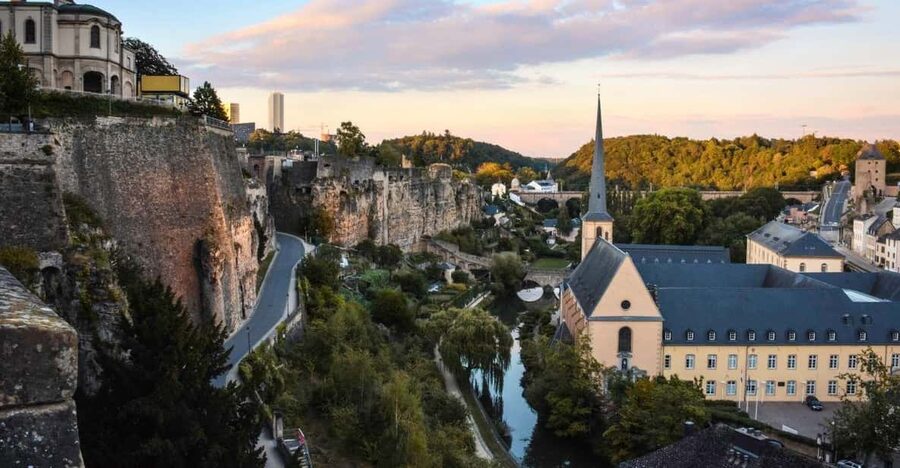
You meet your guide at Place Guillaume II, at the equestrian statue of William II. This spot is more than a starting line. The guide uses the square to set the tone, walking you through what the space represents and who the people behind the story really were.
From there, you start hearing the Grand Duchy narrative in a way that sticks. The tour specifically calls out Luxembourg’s founding-era figure Siegfried, and the guide’s job is to connect political history to the physical city you’re standing in. That matters because Luxembourg’s center can look refined and orderly, but it’s also a city shaped by strategy—who ruled, who built, and why.
One nice touch: even if your history background is light, the storytelling format keeps it moving. Many guides on this circuit—like Anders and Roxana in past departures—are praised for making the history feel lively rather than like a textbook read.
Grand-Ducal Palace and Notre-Dame Cathedral: Power in Stone
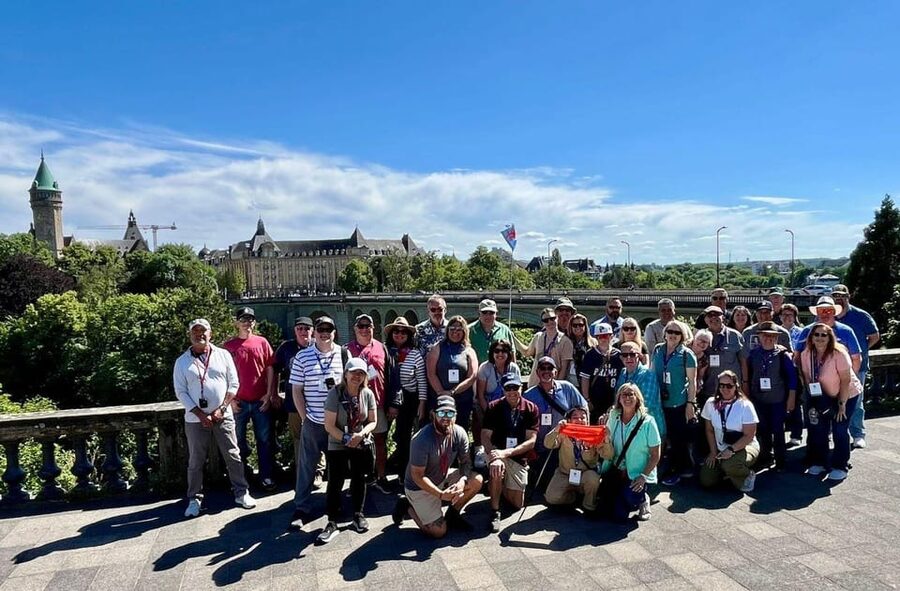
The route quickly turns from “origin stories” to “how power looks in real architecture.”
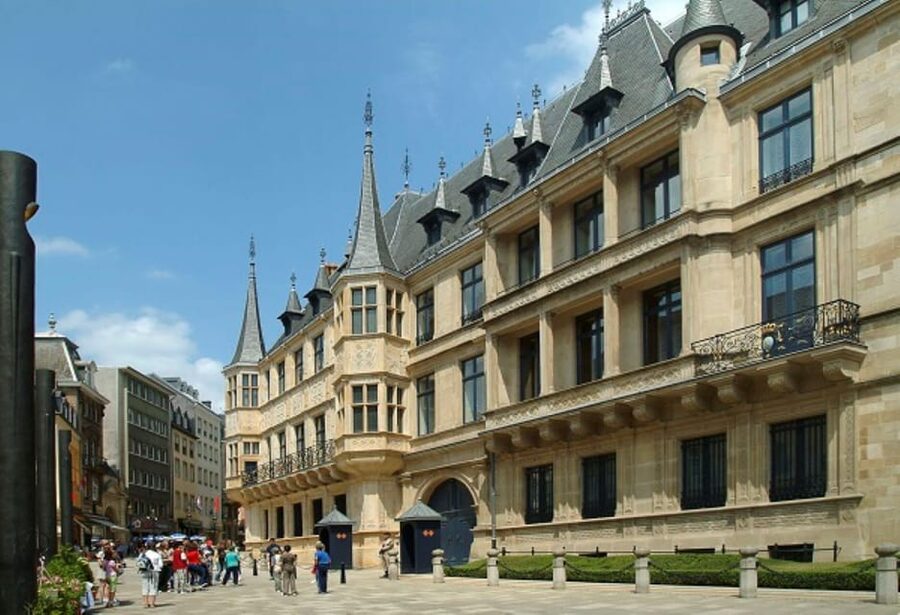
First up is the Grand-Ducal Palace. You’ll walk by and get close enough to notice the facade and the atmosphere around it. The tour also includes the changing of the guard ceremony, which is the kind of moment you can’t recreate on your own without timing. Even if you’re not a ceremony person, it gives you a sense of how Luxembourg treats state traditions as part of everyday civic life.
Then you head toward Notre-Dame Cathedral, a Gothic showpiece with stained glass windows that the guide points out in a practical way. Instead of telling you just that it’s beautiful, the guide helps you see what’s worth looking for—how the design leads your eye, and what makes the cathedral feel like an artifact from another century without needing a museum ticket.
If the weather is rough, you’ll still get value here because the tour doesn’t depend on the most scenic outdoor stretch alone. You get enough indoor-facing architecture stops to keep the afternoon interesting even on a gray day.
The Corniche: Europe’s Balcony and the Alzette Valley Views
Here’s the moment most people remember: the walk along Chemin de la Corniche, often nicknamed the most beautiful balcony in Europe. You’re lifted above the city, and the view gives you instant context. You can see the geometry of the old center and how the valley shapes the city’s layout.
This segment is also where the guide adds color through stories. The tour ties the views to Luxembourg’s defense system and includes Casemates—the underground tunnels that explain how this city survived and controlled access. You’ll hear about language origins too, which can be a surprise add-on if you’re expecting pure sightseeing.
Practical tip: the Corniche section is outdoors and elevated, so dress for wind. Many guides are praised for adjusting the pacing and comfort based on conditions, and that matters most on viewpoint stretches.
Neumünster Abbey: A Quiet Pause That Changes the Mood
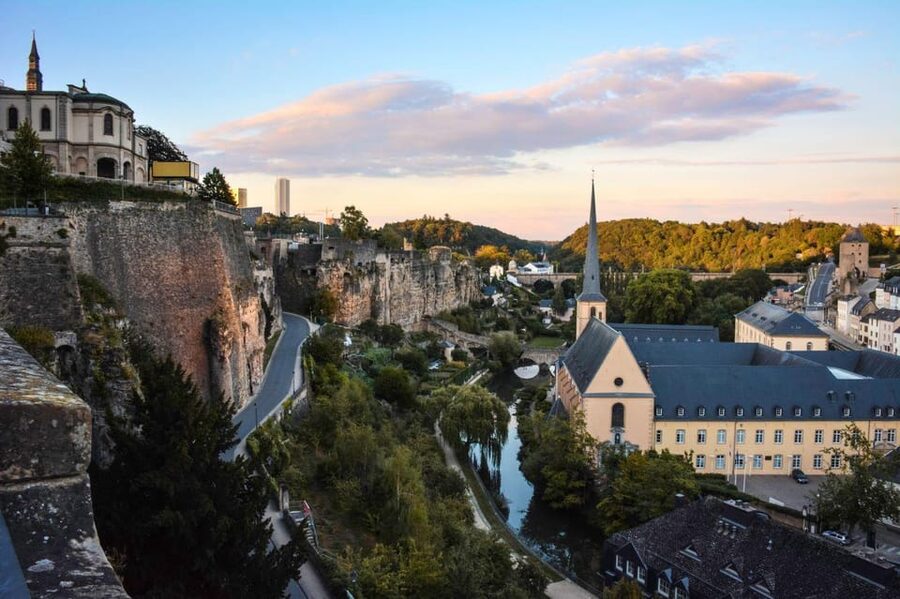
After the high, open air of the Corniche, the tour brings you to Neumünster Abbey. This stop is one of the best “reset buttons” on the route because the atmosphere shifts. The abbey setting is described as quiet and fascinating, and that’s exactly what you want in the middle of a walking tour—less shouting over crowds, more time to absorb.
The guide uses this stop to connect culture, place, and identity, without turning it into a long lecture. If you like historical sites that feel human, not just monumental, this is where the tour earns its keep.
Also, this is a great moment to check your legs. With about 150 minutes total on foot, you’ll appreciate the built-in rhythm: viewpoint energy, then a slower cultural pause.
Pfaffenthal Elevator: Turning Hills Into a View
One of the smarter parts of the route is the use of the Panoramic Elevator of the Pfaffenthal. Instead of wrestling steep sections on foot, you get scenic views on the way down and back up. That’s not just convenience—it changes your perspective.
Seeing the city from the elevator angle helps you understand the city’s vertical logic: the upper old center, the lower districts, and how the valley ties it all together. Past departures mention guides choosing spots for better sight lines and comfort, especially in cold or rainy conditions.
If you’re traveling with limited mobility, you should still know this is a walking tour. However, the overall experience is described as wheelchair accessible, and the route timing includes short stretches with guidance rather than constant, long, unsupported walking.
Pescatore, J.P. Foundation and the City’s Modern Layer
The route includes a stop connected to Pescatore, J.P. Foundation. The data doesn’t spell out what you’ll see inside, but it does put this foundation into your walking flow for a reason: it signals that Luxembourg isn’t only about old stone and noble ceremonies. There’s a contemporary cultural presence woven into the city center.
For you, the practical value is simple. You finish the tour with a broader sense of what to do next. The best city walks give you more than landmarks; they help you spot where modern culture and institutions live in the same compact space as the historic core.
Léa Linster Delicatessen: The Sweet Stop That Feels Local
No Luxembourg tour feels complete without a food moment, and this one includes a visit to Boutique Léa Linster Delicatessen for local snacks. The tour is described as including a sweet delight during the walk, and the time set aside here is real—about 30 minutes—so you’re not just handed something to eat on the move.
A couple of guide-and-season details show up in past experiences. One guide-led finish included mulled wine (glühwein) and a traditional shot as a warming closer, especially helpful on cold afternoons. Since that’s seasonal, treat it as a possible bonus rather than a guarantee.
Important planning detail: the guide may need an alternative if the Léa Linster shop is closed. The info notes the shop is closed on Sundays, and the guide always has a solution. Translation: don’t cancel your plans based on a single store’s hours.
If you’re the kind of traveler who likes souvenirs you can eat, this stop hits the right notes. And it’s also a nice time to ask your guide for next steps—where to eat, what to try, and how to avoid backtracking.
Pace, Weather, and What to Bring (So You Enjoy the Walk)
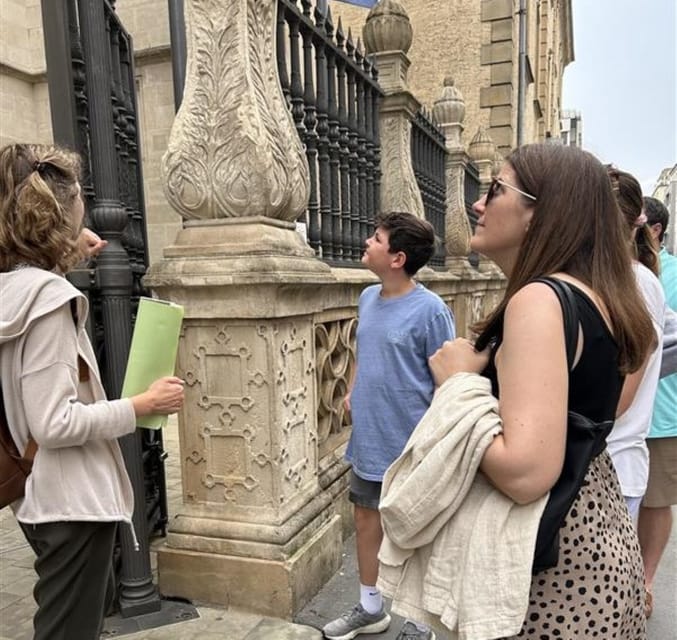
This tour runs about 150 minutes, and the route is broken into short walking segments plus photo stops. That’s a big deal in Luxembourg City because many sights sit close together, but the terrain and stairs can still add up.
From what’s been shared in past departures, guides often handle weather and pacing with care. Cold rain days have been turned into enjoyable afternoons, with guides keeping the group moving while still giving you moments to warm up. On hot days, guides have been praised for finding shade and keeping the pace comfortable.
Here’s what you should bring so the tour stays pleasant:
- Comfortable shoes (not just “okay” shoes)
- Comfortable clothes, since weather changes quickly in a city with elevation
- A charged smartphone for photos and quick map checks
- A bottle of water, since hydration matters during a walking tour
Also: the tour is dog-friendly, which can make it feel more like a neighborhood walk than a strict tourist conveyor belt.
And if you’re pushing a baby carriage: the info warns there may be obstacles like stairs and steep streets. If you need help, contact the local supplier in advance so the guide can manage the route appropriately.
Value: What You’re Really Paying For (It’s Not Just “Free” in Spirit)
The listed price shows $0.00 per person, which is hard to beat. If you see a $0 price on your date, that’s especially strong value because the tour includes a local guide and a full 2-hour walking experience with multiple major sights and a snack stop.
But even if your exact price changes from what you see here, evaluate it based on what you get:
- A guided route through multiple top landmarks in a compact area
- Explanations that connect Grand Duchy history to the streets and views you’re standing on
- Casemates and Corniche storytelling that you would likely miss on your own
- A built-in food/sweet stop at a recognized local brand
For first-timers, this is one of those “time-saving” purchases. Luxembourg City rewards curiosity, but it also has enough stairs and sightline quirks that a guide helps you see more with less effort.
Who This Tour Suits Best
I’d book this if:
- You want a fast, friendly orientation to Luxembourg City’s center
- You like history that’s tied to specific places (Palace, Cathedral, Casemates, abbey)
- You want viewpoint time without spending half your day figuring out routes
It’s also a smart choice if you’re with mixed interests—some people want landmarks, others want stories and culture. The route balances both.
If you already know Luxembourg well and want deep museum-level detail, you might find you’re moving quickly. But for getting your bearings and learning what to explore next, this hits the sweet spot.
Should You Book This Luxembourg Guided Walk?
Yes, if you want an organized way to see the main sights and understand the city’s “why” in about 150 minutes. This tour is strong on viewpoints, major architecture, and story-driven context—especially during the Corniche/Casemates portion and the Neumünster Abbey pause.
I’d skip it only if you can’t handle a walking-heavy afternoon, or if you expect a full meal-and-drinks tour rather than a sightseeing walk with a sweet/snack stop. Otherwise, it’s a practical way to start a Luxembourg trip: you come away with photos, names, and a clearer plan for what to revisit afterward.
FAQ
Where do I meet the guide?
Meet at the Equestrian Statue of William II at Place Guillaume II.
How long is the walking tour?
The tour duration is 150 minutes.
Is the tour offered in English?
Yes. The live tour guide language is English.
Which major sights are included or passed during the route?
You’ll see or pass by Place de la Constitution, Notre-Dame Cathedral, the Grand-Ducal Palace, the Corniche (Chemin de la Corniche), Neumünster Abbey, the Panoramic Elevator of the Pfaffenthal, and a stop at Boutique Léa Linster Delicatessen. The route also includes stops connected to Monument of Remembrance and Pescatore, J.P. Foundation.
Is the tour wheelchair accessible?
Yes, it’s listed as wheelchair accessible.
Is the tour dog-friendly?
Yes, the tour is dog-friendly.
Are meals and drinks included?
Meal and drinks are not included. The tour includes a sweet delight/local snacks during the Léa Linster shop stop.
What should I bring?
Bring comfortable shoes, comfortable clothes, and a charged smartphone. It’s also advised to bring a bottle of water.
Is the Léa Linster shop always open on the tour date?
No. The info notes the Léa Linster shop is closed on Sundays, and the guide will propose an alternative.
Are there any weather or comfort considerations I should plan for?
The tour includes outdoor walking and viewpoint sections, so bring water and dress for the conditions. The route is structured with short walking segments and stops to keep the pace manageable.