REVIEW · LECCE
Lecce: Street Food Tasting and Sightseeing Tour
Book on GetYourGuide →Operated by Rosy Smart City Tours · Bookable on GetYourGuide
Baroque Lecce tastes better with a guide. In just 2 to 2.5 hours, you’ll meander from Porta San Biagio into Piazza Duomo and Piazza Sant’Oronzo, getting the stories behind the stone and the food. It’s an easy walking tour, but you’re not just passing landmarks—you’re learning how Lecce puts history on display.
What I love most is the snack-to-story rhythm. Tastings are spread out (not all at once), so you can enjoy classics like rustico, pettole, and pasticciotto without feeling like you’re stuck chewing through a food coma. I also love how the guide ties architecture to everyday culture—think the Basilica of Santa Croce facade that looks like embroidery, plus the papier-mâché workshop where you see the statue-making phases up close.
One consideration: this isn’t a flexible “pick what you like” food experience. If you have food allergies, or you need strict gluten intolerance accommodations, it won’t work. And since the tour runs in sun or rain (except extreme weather), bring comfortable shoes and water so you’re not miserable in the heat.
In This Review
- Key highlights worth knowing before you go
- Starting at Porta San Biagio: instant orientation in old Lecce
- Church of St. Matthew and the feel of Lecce’s center
- Piazza Duomo: why the square looks so dramatic
- Santa Croce and the papier-mâché detour that breaks the routine
- Piazza Sant’Oronzo: Roman echoes, a she-wolf, and the Clock of Wonders
- Porta Napoli and the Church of the Holy Cross: gates and faith side by side
- Street food tastings: what you’ll actually eat (and how they’re paced)
- Drinks: you’re on your own
- The walking pace, time limit, and weather reality
- Price and value: what $70 buys you in Lecce
- Who should book this tour (and who should skip it)
- Should you book Lecce street food plus sightseeing?
- FAQ
- Where does the tour usually start?
- How long is the tour?
- What’s included in the price?
- Are drinks included?
- What languages is the guide available in?
- Is the tour wheelchair accessible?
- What if I have a dietary restriction?
- What’s the cancellation policy if it rains?
Key highlights worth knowing before you go
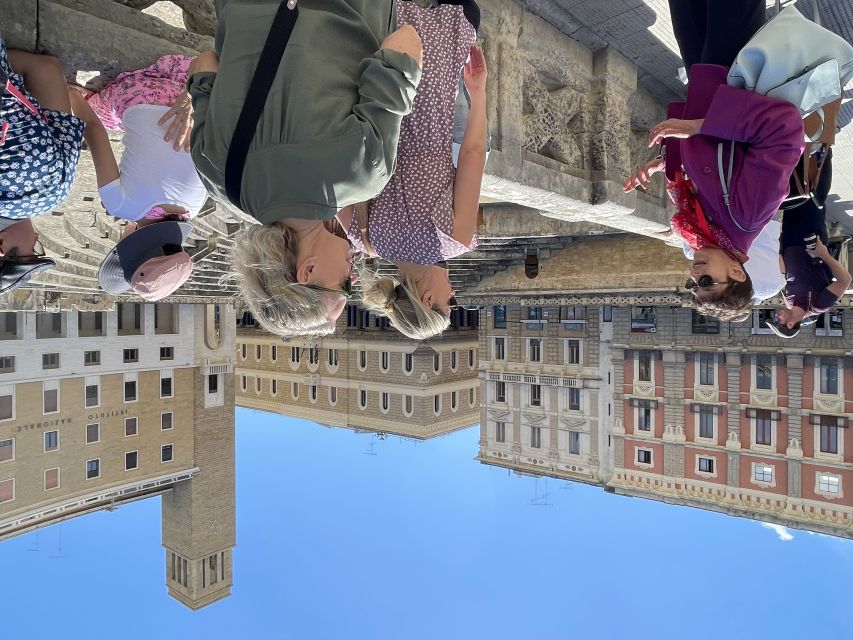
- Porta San Biagio starting point: you begin at one of Lecce’s main old gates and get oriented fast.
- Piazza Duomo’s closed-shape elegance: the main square feels enclosed, dramatic, and photo-friendly.
- Santa Matteo church stop: a quick guided look at what makes it stand out in the city center.
- Roman and local legend in Piazza Sant’Oronzo: you’ll connect a Via Appia column story, the she-wolf emblem, and the Clock of Wonders.
- Papier-mâché workshop viewing: you watch the construction phases of a papier-mâché statue, step by step.
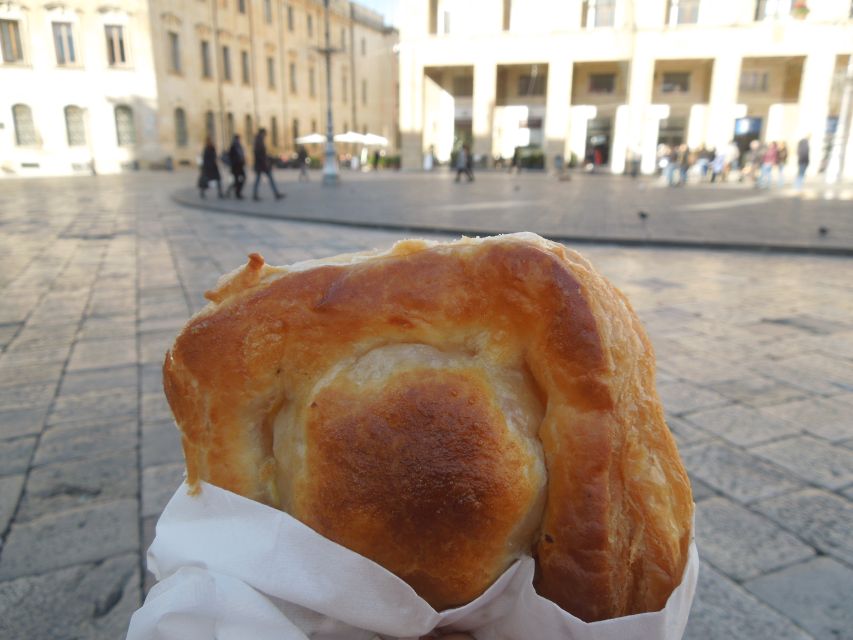
- Salento street food tastings: rustico, pettole, and pasticciotto, paced for a true walking experience.
Starting at Porta San Biagio: instant orientation in old Lecce
The tour kicks off at the Gate of Saint Blaise, also known as Porta San Biagio. It’s a smart choice. Gates give you a mental map. Once you’re inside the historic center, you stop feeling lost and start feeling like you’re on purpose.
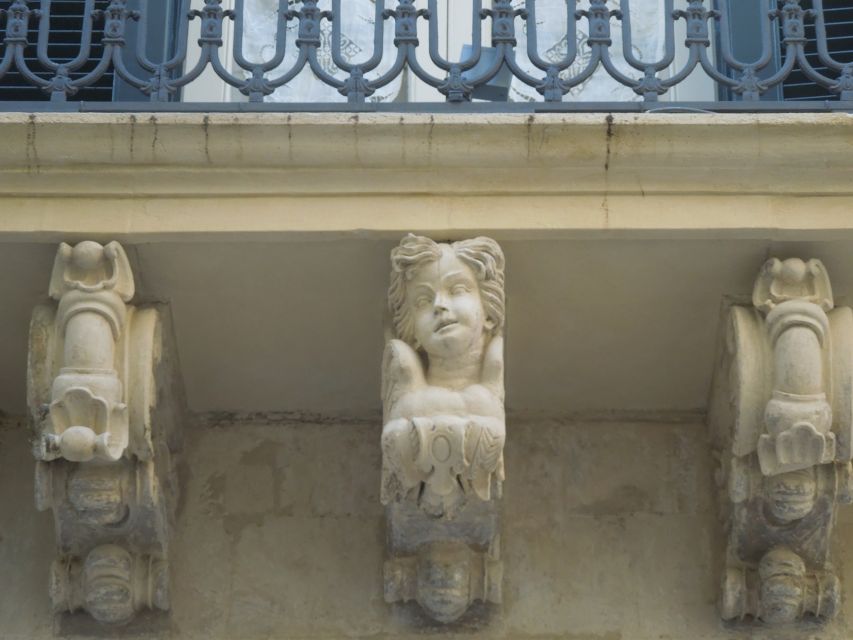
From there, you walk at an easy pace, moving through alleys and lanes where the Baroque details are close enough to study. This is where you’ll notice what makes Lecce visually different: stone carvings on façades, sculptures on balconies, and the kind of decorative flourishes that are more “craft project” than “monument.”
If you booked a different meeting option, you may start near Piazza Sant’Oronzo, but the vibe stays the same: short guided moments, then time to taste, look, and listen. Guides for this experience include locals and experienced leaders such as Antonella, Monia, Giancarlo, and John Carlos (names that show up across departures), and they tend to answer questions as you go instead of saving everything for the end.
You can also read our reviews of more food & drink experiences in Lecce
Church of St. Matthew and the feel of Lecce’s center
One of the early stops is the Church of St. Matthew (San Matteo). This brief guided visit is designed to reset your eye. In Lecce, you can walk past churches all day, but the guide points out what makes this one unique compared with the others clustered in the center.
It’s only around ten minutes, so don’t expect a long museum-style explanation. Think of it more like learning a new “way to read” what you’re seeing. You’ll get a practical sense for what to look for while you keep walking—stonework, design cues, and the smaller details that make the Baroque feel intentional rather than random.
Practical tip: take a quick moment before the group moves on. If you’re the kind of person who likes photos, this is your best window to frame the church without rushing.
Piazza Duomo: why the square looks so dramatic
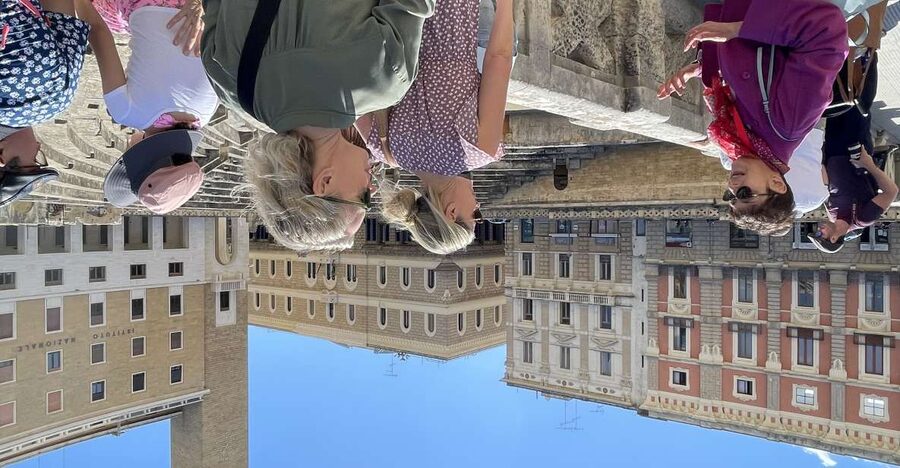
Next up is Piazza Duomo, the main stage of Lecce. The square is known for its elegant, “closed” shape—surrounded in a way that makes the space feel held together rather than open and windy. Even if you’re not a huge fan of big squares, this one works because the architecture pushes your attention upward.
On the walking portion, you’ll get context for why Lecce looks the way it does and how the design choices shape the atmosphere. The guide also weaves in little cultural notes that make the experience feel local, not textbook.
What I like: this stop doesn’t just scream “look at the building.” It gives you a story lens, so when you notice carvings and symmetry, you understand what you’re seeing instead of just collecting images.
Santa Croce and the papier-mâché detour that breaks the routine
A standout moment in the route is the Basilica of Santa Croce. The facade is described in the tour experience as looking like embroidery, and the guide’s job is to show you how that effect is created. From ground level, you don’t just see decoration. You see layers, patterns, and the way the stonework turns into something almost textile-like.
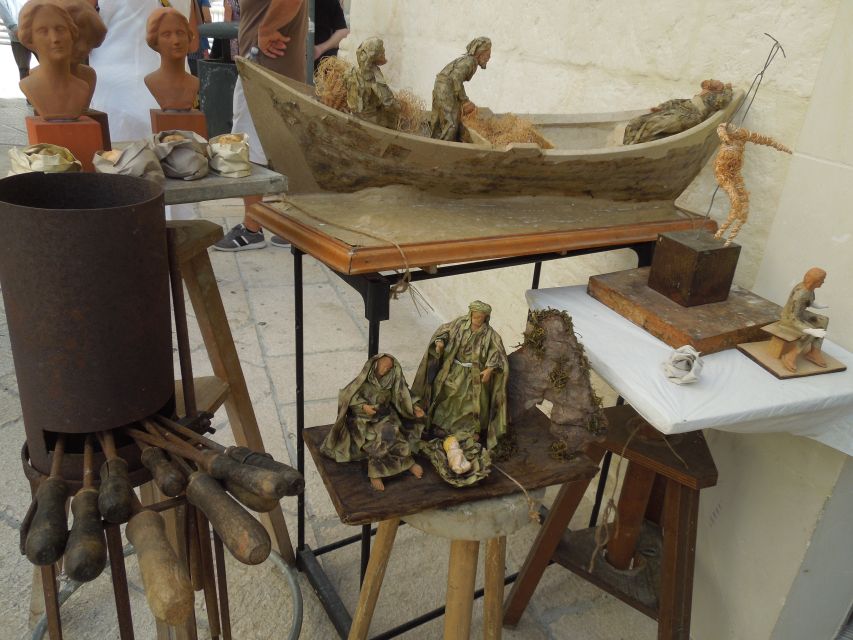
Then comes the tour’s clever pivot: you stop for a papier-mâché workshop visit. This is the part that turns a history-and-food walk into a “wait, that’s fascinating” moment. You’ll visit a place where you see the construction phases of a papier-mâché statue, which makes the tradition feel real and physical—not like a vague cultural trivia point.
Why this matters for you: Lecce is famous for Baroque stone, but this workshop reminds you that craft culture runs in more than one medium. It also gives your feet and brain a short break from constant walking and sightseeing.
Piazza Sant’Oronzo: Roman echoes, a she-wolf, and the Clock of Wonders
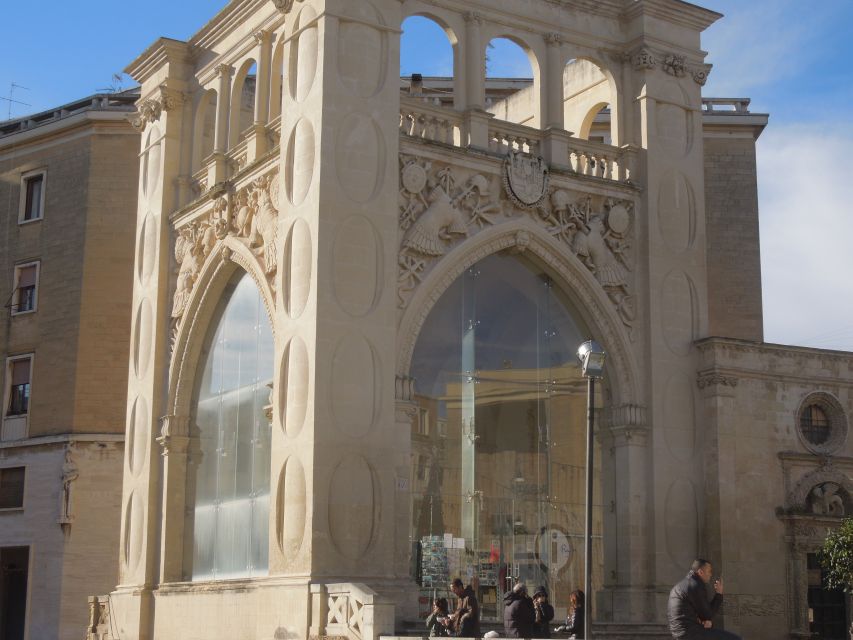
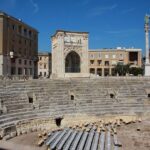
Piazza Sant’Oronzo is one of the best stops on the route because it mixes big ideas with specific symbols. The guide covers multiple layers: why a column of the Via Appia ended up in Lecce, why the emblem in the center of the square depicts a she-wolf, and what the allegories of the Clock of Wonders are meant to represent.
You don’t need to memorize details. The goal is that when you look around the square, you know what you’re seeing. The she-wolf emblem becomes more than a nice design. The Clock of Wonders becomes more than a quirky landmark.
My practical advice: let the guide’s explanation set your attention. After that, spend a minute looking around on your own. In a place like this, you’ll often notice the layout and symbolism more clearly once someone has pointed you in the right direction.
The walking stops also work well here because the tour naturally slows down at the piazza edges. That’s helpful if you want to take photos without losing the flow of the group.
Porta Napoli and the Church of the Holy Cross: gates and faith side by side
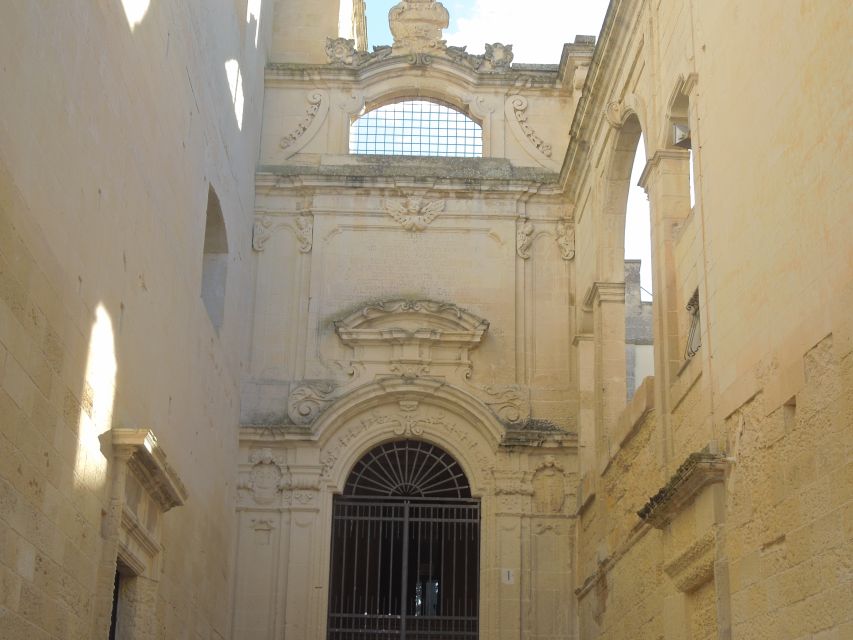
Between tastings and piazza time, you’ll hit smaller guided moments that keep the tour varied. One example is Porta Napoli, where you get a short guided stop to understand the gate’s role in the old city structure.
Later, you’ll also visit the Church of the Holy Cross with a short guided walk-through. It’s around fifteen minutes, so again, not a long sit-down. But these stops add texture: Lecce isn’t just one cathedral and one famous square. The old city is a connected web of gates, churches, and streets.
Who this helps: if you’re the type who likes to get your bearings in a new place, these “in-between” stops do a lot of work. They prevent you from experiencing Lecce like a list of disconnected photos.
Street food tastings: what you’ll actually eat (and how they’re paced)
This tour’s heart is the food. You’ll stop for multiple tastings—snacks included in the price—with drinks available separately if you want them.
The main items you should expect include:
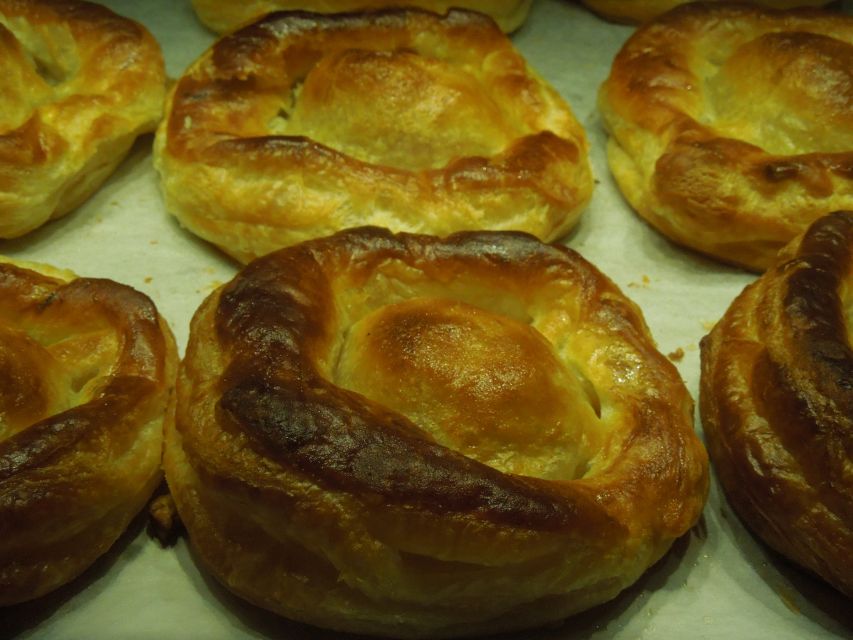
- Rustico: a puff pastry disc filled with mozzarella, tomato, and béchamel.
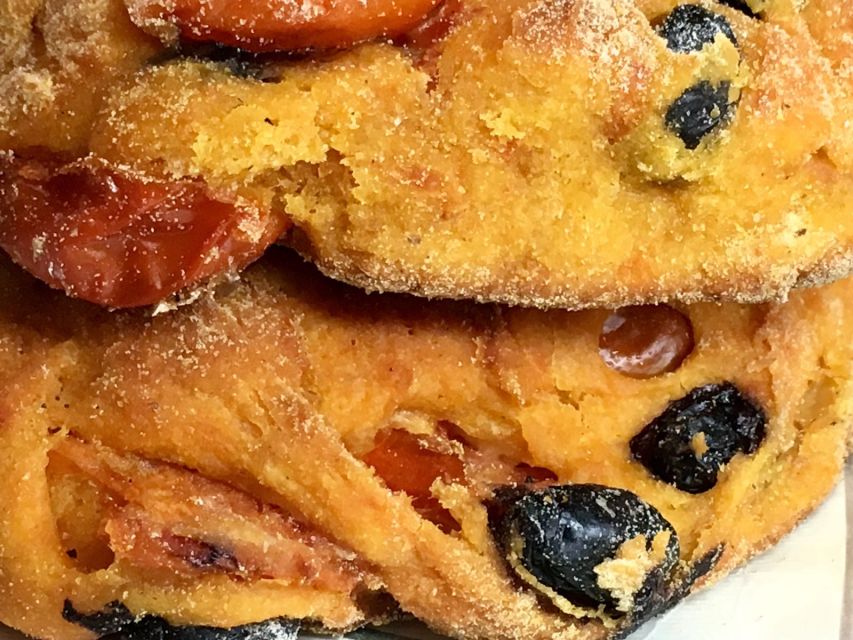
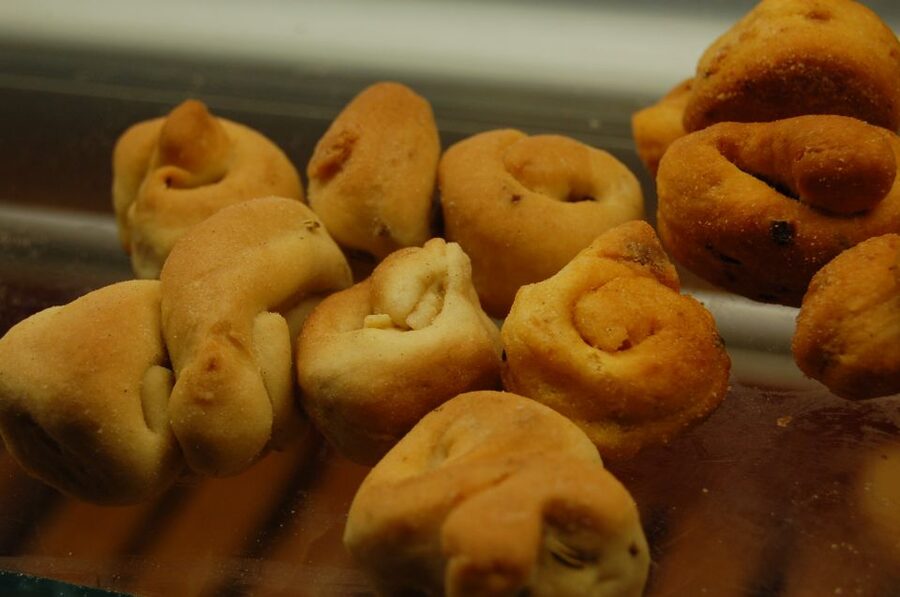
- Pettole: small balls of leavened dough, offered in white or pizzaiola style; a classic appetizer especially known from Christmas Eve traditions.
- Pasticciotto: the Salento pastry star, with shortcrust pastry filled with custard.
And the sweet-and-salty mix doesn’t feel random. One reason people rate this tour so highly is the pacing: you get tastings spaced across the walk so you can keep moving, not just stop and eat until the walking part becomes a chore.
You may also see additional local snack options during the tour (for example, items like frisella or tarallini show up in descriptions and guest accounts). The exact lineup can shift, but the emphasis stays the same: Salento-style bites you can’t easily replicate at home.
Drinks: you’re on your own
Drinks are not included. The tour sells the food experience, not a full beverage package. Water is a good idea anyway since the tasting items lean savory.
What I’d do: start hydrated. Bring water in your day bag. A couple salty pastries plus a warm day can add up fast.
The walking pace, time limit, and weather reality
The tour lasts about 2 to 2.5 hours. That’s long enough to feel like you accomplished something, and short enough that you won’t feel trapped.
You’ll do a guided chunk at each landmark, then a tasting stop, then another guided moment. It’s built for comfort: the pace is described as relaxed, and the stops are timed so you’re not constantly standing still for long lectures.
Weather-wise: the tour goes with sun or rain, except extreme weather conditions. That’s why you should plan like a local. Comfortable shoes matter. Also bring a basic layer for sudden shifts, since you’ll be outside most of the time.
Price and value: what $70 buys you in Lecce
At $70 per person, this is not a cheap “walk around and eat one cookie” deal. You are paying for three things:
- A guided walking route through key Lecce landmarks.
- Multiple snack tastings from Salento favorites.
- Local storytelling that connects symbols in piazzas, church stops, and craft traditions like papier-mâché.
In plain terms: you’re buying time, context, and variety in a single outing. If you’re in Lecce for a short stay and you want both food and meaning, it can be excellent value.
If you already know Lecce well, or you only want architecture photos with no interest in explanations or tastings, you might feel $70 is steep. But for first-timers, or anyone who likes to understand what they’re looking at, it’s a strong deal.
Who should book this tour (and who should skip it)
This is a good fit if you want:
- A walking tour that mixes Baroque sights with food.
- Clear, short explanations at each stop, not long museum marathons.
- Tastings that feel like a real sampling of Salento street favorites.
It’s also a nice option for groups because the experience offers private group availability.
Skip it if:
- You have food allergies (not suitable).
- You need strict gluten intolerance support (not suitable).
- You’re very young (not suitable for children under 5) or older at the upper age limit listed.
- You fall outside the weight guidance listed for comfort on a walking tour.
For diets like vegan or lactose/gluten intolerance (not allergies): you can participate, but you must communicate it at booking because not all tastings can be guaranteed.
Should you book Lecce street food plus sightseeing?
If you’re coming to Lecce for the first time and you want an outing that gets you oriented fast—plus feeds you local classics along the way—this tour is worth serious consideration. You get a compact walking route, quick landmark explanations, and tastings like rustico, pettole, and pasticciotto that make the Baroque story taste real.
Book it if you like practical guidance and you can handle a couple hours of walking in real weather. Skip it if food allergies or strict gluten needs are non-negotiable.
If you want Lecce to feel like more than postcards, this is one of the better ways to do it without dragging the whole day.
FAQ
Where does the tour usually start?
You’ll meet at one of the listed starting locations depending on the option booked, commonly near the Gate of Saint Blaise (Porta San Biagio) or Piazza Sant’Oronzo.
How long is the tour?
The duration is about 2 to 2.5 hours.
What’s included in the price?
Snacks for the food tastings are included.
Are drinks included?
No. Drinks are not included, and you can buy them separately.
What languages is the guide available in?
The live guide is offered in German, French, English, and Italian.
Is the tour wheelchair accessible?
Yes, the tour is wheelchair accessible.
What if I have a dietary restriction?
Vegans and people with gluten or lactose intolerance (not allergies) can participate, but not all tastings can be guaranteed. You’ll need to communicate restrictions at booking. The tour is not suitable for people with food allergies or gluten intolerance.
What’s the cancellation policy if it rains?
The tour runs in sun or rain except extreme weather. The data also states free cancellation is available up to 24 hours in advance for a full refund, but last-minute rain-related cancellation requests are not covered.