REVIEW · KEITUM
Keitum: Guided Village Walking Tour
Book on GetYourGuide →Operated by Jörg Ridder · Bookable on GetYourGuide
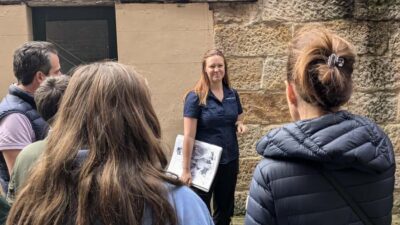
One quick walk through Keitum and you’ll see why people get hooked. This guided village tour mixes Frisian architecture with shoreline views, plus the Stone Age burial mounds at Harhoog and Tipkenhoog—so it’s more than a pretty photo stop.
What I really liked was the way Jörg Ridder turns a simple walk into an easy story route, with lots of small details you’d miss on your own. I also enjoyed the stops that connect everyday village life to bigger themes—like Keitum’s artisan tradition and Sylt’s whaling-era past—without drowning you in dates.
One thing to consider: the tour style depends on the group and the flow of the route. If you want very heavy detail from minute one (or you’re hoping for a deep focus on specific house types), you might find the pacing a bit more “story-led” than strictly “fact-led.”
In This Review
- Key takeaways before you go
- Keitum on Sylt: why this walk feels different
- Meeting at Keitum Mitte and getting oriented quickly
- Frisian homes, gardens, and the “green heart” feel
- Artisan lanes: glassblower and goldsmith history
- Whaling-era stories and 18th-century culture you can feel
- The shoreline shift: Wadden Sea views and salt-air clarity
- Harhoog and Tipkenhoog: Stone Age burial mounds at the edge of town
- Price and value: why $22 works for 2.5 hours
- What to pack (and why comfort matters here)
- Who should book this Keitum village walking tour
- Should you book?
- FAQ
- FAQ
- Where is the meeting point?
- How long is the guided tour?
- What language is the tour guide?
- How big is the group?
- What’s included in the price?
- Are food and drinks included?
- What should I bring?
- Does the tour run in bad weather?
- Is free cancellation available?
Key takeaways before you go
- Small group (up to 10) keeps the walk friendly and questions realistic
- Thatched roofs and Frisian walls give you Keitum’s look and feel fast
- Artisan lanes include glassblower and goldsmith workshops
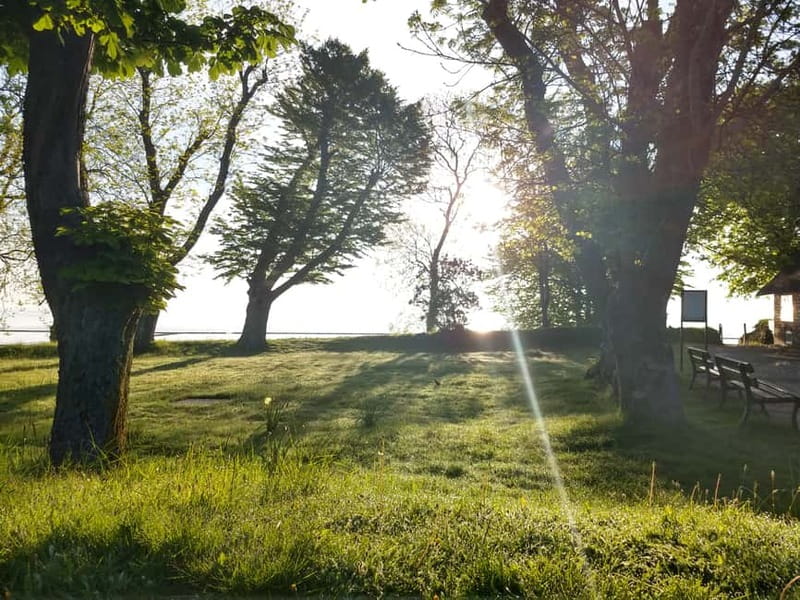
- Wadden Sea shoreline stops add real North Sea air and big views
- Harhoog and Tipkenhoog burial mounds bring the Stone Age into the present
Keitum on Sylt: why this walk feels different
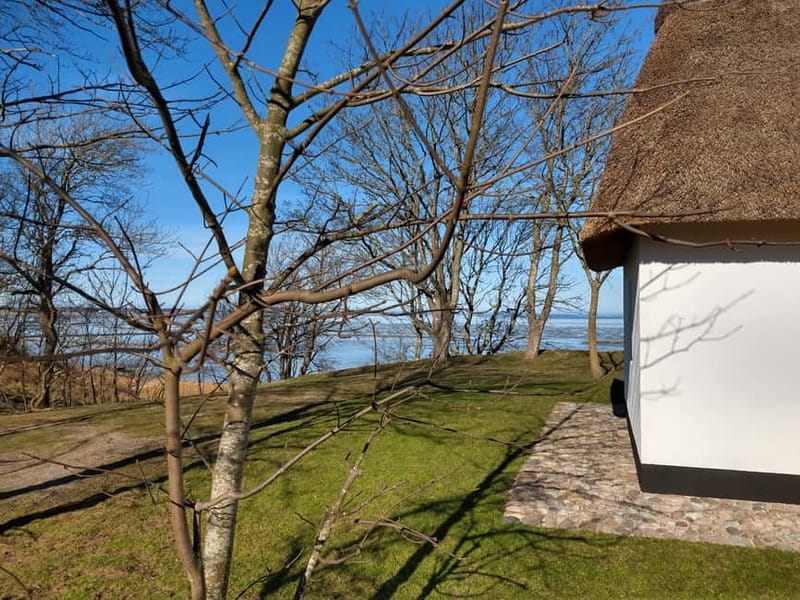
Keitum isn’t trying to be a museum. It still looks like people live here—next to gardens, workshops, and walled property lines that feel both old and practical. That’s what makes this tour work: you don’t just see buildings. You understand how the village functions, historically and today.
The route also gives you a good “two worlds” feeling. You start in the village lanes—narrow, curved alleyways that guide you from one classic home to the next. Then you shift toward the shoreline, where the wind does the talking and the Wadden Sea views change your mood completely.
And because it lasts 2.5 hours, it’s a solid choice even if you’re not trying to plan an entire day around one activity. You get a full mini-snapshot of Keitum plus one memorable prehistoric stop.
You can also read our reviews of more walking tours in Keitum

Meeting at Keitum Mitte and getting oriented quickly

You’ll meet at the bus station Keitum Mitte. From there, the goal is simple: get your bearings fast and start walking through the parts of town that feel most Keitum. It’s not a long transfer or complicated start. Just show up with your comfortable shoes and you’ll be ready to move.
A good walking tour lives or dies by early momentum. Here, the route gets you looking around immediately: thatched roofs, North Sea island architecture, and small alleyways that don’t look like they belong on a brochure. Even if you’re the type who usually arrives at a place and goes straight to a viewpoint, Keitum’s village streets are the kind that reward slow attention.
Frisian homes, gardens, and the “green heart” feel
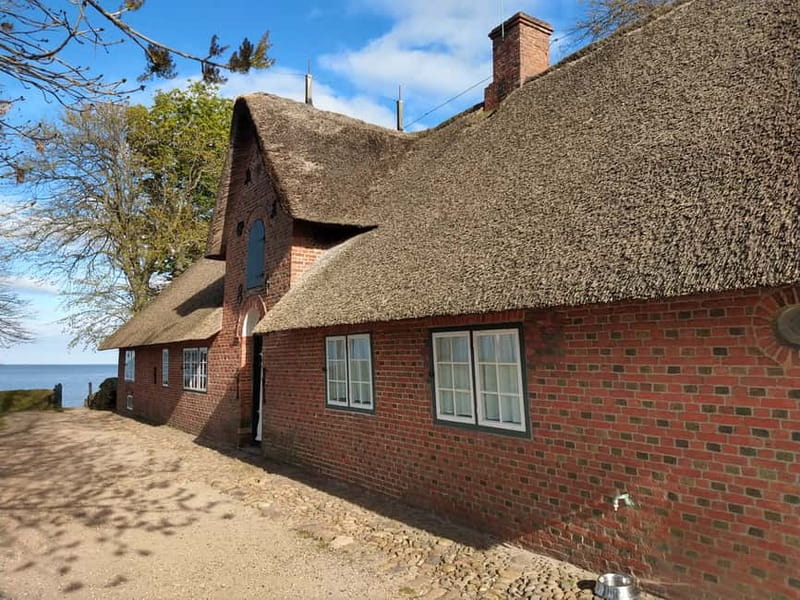
One of the best parts of this experience is how it frames Keitum’s character through its everyday details. You’ll stroll past old Frisian homes and scenic walled gardens, including properties said to date back to the 1600s (some listed as old as 1640). That age matters here—not as a flex, but because it helps you understand why the village looks the way it does.
As you walk, you’ll also hear Keitum described as the island’s green heart. In practical terms, that means you’re not stuck with just narrow views of houses and roofs. You get glimpses of gardens and the traditional wall lines that shape what you see from one turn to the next.
Two things help this section feel worthwhile:
- You keep moving, so the charm doesn’t turn into a slow shuffle.
- The guide ties architecture to local life, instead of just pointing and naming.
If you love small-scale atmosphere—gardens, narrow streets, and homes that look lived-in—you’ll probably enjoy this stretch the most.
Artisan lanes: glassblower and goldsmith history

Keitum has an artisan reputation, and this tour gives you that in a concrete way. As you walk, you pass places connected to glassblowing and goldsmith work, which helps explain why Keitum became known for craftsmanship rather than only tourism.
What I like about this kind of stop is that it connects the present to the past. Craft traditions don’t appear out of thin air. They grow from skills, materials, and local demand. Even when you’re just looking through a shop area or walking past a workshop, the guide’s storytelling helps you place it in the broader picture of island life.
There’s also a natural pacing benefit: artisan lanes break up the sightseeing rhythm. Instead of every minute being roofs and walls, you get a change of texture—shops, trades, and the sense that Keitum still supports makers.
Whaling-era stories and 18th-century culture you can feel
Sylt’s whaling economy might sound like a topic reserved for classrooms, but on this walk it lands differently. The guide weaves stories about the village’s role during the whaling era and its cultural scene from the 18th century.
Why this matters for you as a visitor: it turns Keitum from a pretty place into a place with motives. People didn’t build and trade just for decoration. They built and traded because of survival, opportunity, and networks that connected the island to the wider world.
I also like that the tour doesn’t force you into a date parade. Some visitors specifically praised the style for not overwhelming them with numbers. That keeps the energy light and helps you remember what you hear.
One note: a few people felt the start leaned too commercial, or that they wanted more detail about certain types of houses (like so-called captain houses). If you’re the type who needs a very structured, deep-dates approach, it’s worth keeping that in mind and going in with expectations for a story-led walk rather than a strict lecture.
The shoreline shift: Wadden Sea views and salt-air clarity
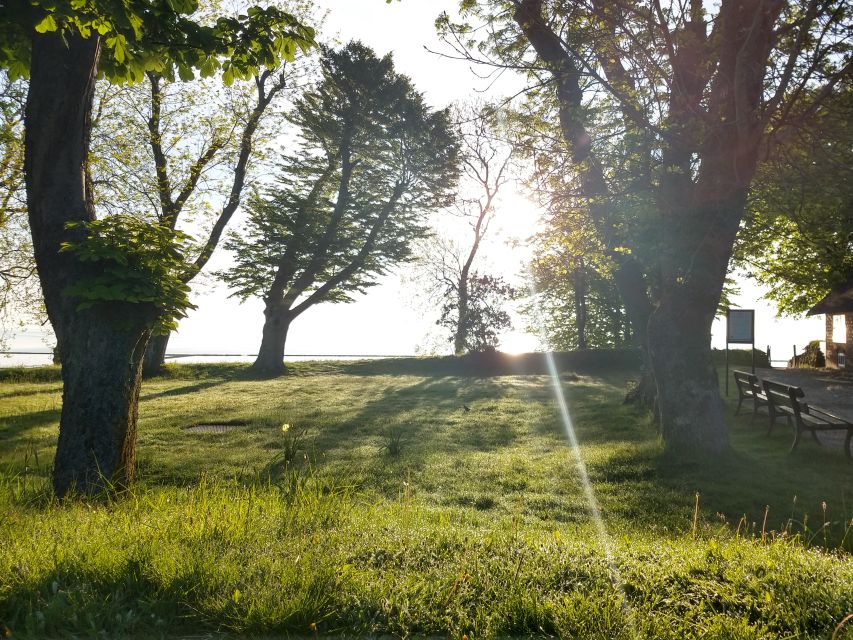
After the village streets, you’ll head toward the shoreline. This is where the tour earns its value as a change of scenery, not just a longer walk in the same direction.
You’ll pause to look out at the Wadden Sea from the tidal side of Keitum. Even if you don’t know the terms, you’ll feel what makes the North Sea special: the wind, the open horizon, and that wide, bright sense of space.
This section is also practical for photography and sanity. You’re not trying to frame tiny rooftops in tight streets. You can step back, take a breath, and let the view do the work.
Bring rain gear if the weather is moody. The tour runs rain or shine, and if the wind picks up, you’ll be glad you packed something to cut the chill.
Harhoog and Tipkenhoog: Stone Age burial mounds at the edge of town
The final big experience stop is prehistoric. You’ll visit the ancient Stone Age burial mounds of Harhoog and Tipkenhoog.
This is the part that makes the whole tour feel bigger than a typical village stroll. Keitum’s modern charm is real, but the burial mounds remind you that people were shaping this coastline long before the artisan era, before the whaling economy, and before the houses you’re admiring today.
The guide explains Keitum’s Stone Age roots before wrapping up. What you take away is usually simple: the land is older than the stories we tell about it now, and the shoreline geography made it an important place to return to across centuries.
If you like “one wow moment” at the end of a tour, these mounds deliver. And if you don’t usually care about ancient sites, the shoreline setting helps you care anyway.
Price and value: why $22 works for 2.5 hours
At $22 per person for 2.5 hours, this tour is priced like a true walking experience—not a long bus day with lots of seats filled but little connection to the place. You’re paying for:
- a live guide,
- a route that covers key village areas,
- and the time to see the shoreline and burial mounds without figuring out the geography yourself.
Most importantly, the cost buys interpretation. Just walking around Keitum can be pretty, sure. But a guide helps you connect the dots—artisan tradition, historical economy, village layout, and the meaning of where you stop.
The small group size (up to 10 participants) also makes the value feel real. With fewer people, you’re more likely to get specific answers and a tour rhythm that doesn’t feel rushed for a camera-ready line.
What to pack (and why comfort matters here)
This tour is all walking, and Keitum’s streets can be uneven underfoot. Plan for:
- comfortable shoes
- rain gear
- weather-appropriate layers
Because it’s rain or shine, you’ll want clothing that won’t trap you in discomfort once the weather changes. If it’s windy near the shoreline, layers help more than you’d think. A light jacket can turn a chilly walk into something genuinely pleasant.
Also, this is a 2.5-hour outing. Bring water if you like, even though food and drinks aren’t included. You’re not on a tasting tour, so you’ll want to keep your energy steady.
Who should book this Keitum village walking tour
This is a strong fit if you want:
- a small-group village walk with a real guide,
- a mix of village atmosphere and shoreline views,
- and a stop that goes beyond architecture into prehistory.
It’s especially good for people who enjoy learning through stories and local connections. In fact, multiple visitors praised how Jörg connects with locals and adds personal, human details to the walk. Some even highlighted conversations with residents that made Keitum feel less like a postcard town and more like a living village.
It may be less ideal if you’re looking for a highly structured, encyclopedic tour that starts with the hardest facts and stays there the whole time. In that case, you might prefer something more lecture-style or museum-driven.
Should you book?
Yes, if you like the idea of Keitum as a walking story: thatched roofs, artisan lanes, shoreline breath, and the Stone Age mounds at Harhoog and Tipkenhoog. The price is reasonable for the time, the small group keeps it personal, and the mix of themes helps you leave with more than photos.
Hold off if you need a strict, date-heavy structure from the first minute. The tour reads more like a personable route guided by local context than a rigid timeline.
If you’re unsure, your best move is to book with the mindset of: walk, look closely, ask questions. Keitum rewards that approach.
FAQ
FAQ
Where is the meeting point?
Meet at the bus station Keitum Mitte.
How long is the guided tour?
The tour runs for 2.5 hours.
What language is the tour guide?
The live tour guide speaks German.
How big is the group?
It’s a small group with a limit of 10 participants.
What’s included in the price?
The tour includes the guide and the walking tour.
Are food and drinks included?
No. Food and drinks are not included.
What should I bring?
Bring comfortable shoes and rain gear, plus weather-appropriate clothing.
Does the tour run in bad weather?
Yes. The tour takes place rain or shine.
Is free cancellation available?
Free cancellation is available up to 24 hours in advance for a full refund. You can also reserve and pay later.