REVIEW · WASHINGTON DC
Dupont Circle and Embassy Row Architectural Walking Tour
Book on Viator →Operated by DC Design Tours · Bookable on Viator
Dupont Circle feels different when you slow down. This 2-hour walking tour is a fast-moving mix of historic homes, embassy stories, and architectural styles you can actually spot with your own eyes, guided by locals like Sam and Mark.
I especially like the way the tour ties Embassy Row mansions to the people who shaped Washington’s Gilded Age, from Alice Roosevelt Longworth to Evalyn Walsh McLean and the Hope Diamond saga. I also love the pacing: a small group (up to 20) with full narration so you’re not just staring at stone and guessing.
One consideration: the stops are brief, so you get great context but not a long sit-down at any single site—plus the Woodrow Wilson House is a quick, non-included look.
In This Review
- Key tour highlights to look for
- Why Dupont Circle and Embassy Row work so well on foot
- Meet the guides: storytelling that keeps the pace light
- Dupont Circle: the starting point and how to read the neighborhood
- Quick win for photos
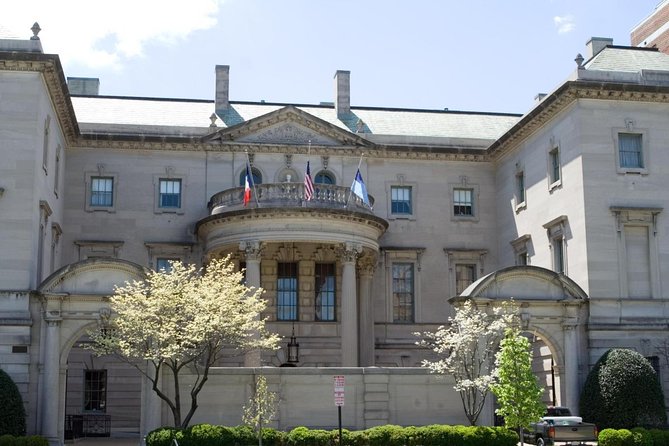
- Embassy Row mansions: your guide to Neo-classical, Beaux-Arts, and Queen Anne
- The big names you’ll hear along the way
- Indonesia Embassy stop: opulence plus one unforgettable story
- Anderson House: when wealth turns into institutions
- Turkish Ambassador residence and Ahmet Ertegun’s early start
- Sheridan Circle NW: a Civil War monument with odd backstory
- A good strategy here
- Kalorama: a quieter pocket off Embassy Row
- The Woodrow Wilson House: a quick, non-included look
- Spanish Steps and the Phillips Collection finale
- A good way to finish
- Price and value: is $48 for two hours fair?
- Who should book this tour
- Planning tips for an easier, better walk
- Should you book this Dupont Circle and Embassy Row tour?
- FAQ
- FAQ
- Where does the tour start and end?
- How long is the walking tour?
- How much does the tour cost?
- What language is the tour offered in?
- Is there a guide included?
- How large is the group?
- Do I need paper tickets?
- Is it close to public transportation?
- Are service animals allowed?
- Can I cancel for a full refund?
- How far in advance is it usually booked?
Key tour highlights to look for
- Dupont Circle to Embassy Row in a tight loop that’s easy to follow in just about two hours
- A fully narrated walk where the guide connects buildings to real characters
- Architectural “spotter training” across Neo-classical, Beaux-Arts, Queen Anne, and more
- Diplomacy with backstory including embassy lore tied to the Hope Diamond
- A small-group size (max 20) that keeps Q&A and personal attention realistic
Why Dupont Circle and Embassy Row work so well on foot
Washington can feel official and museum-flat if you only hit landmarks from the checklist. This tour does the opposite. You walk through one of the city’s most social neighborhoods—streets where big money once tried to impress DC society, and where today that same grandeur often serves embassies and institutions.
The payoff is practical. In two hours, you get a sense of the area’s layout (starting at Dupont Circle, then stretching down Embassy Row, then looping back toward the Phillips Collection). And you learn what to notice instead of wandering with blinders on. I like that it’s not a lecture in the middle of the sidewalk—it’s step-by-step storytelling that keeps your feet moving.
You can also read our reviews of more walking tours in Washington DC



Meet the guides: storytelling that keeps the pace light
What makes this tour consistently loved is the guide energy. Names you’ll hear in the feedback include Sam, Mark, Ellory, Natalie, Christine, and Carolyn, and the common thread is how they keep the walk lively while still teaching architecture.
You’ll get more than random facts. Guides tend to start with the big picture—why Dupont Circle became a draw, and how that set up the whole “who lived where and why” story along Massachusetts Avenue and nearby streets. That structure matters. Once you understand the social purpose of these blocks, the buildings become readable, not just pretty.
Also, you’re not stuck with a dry script. Multiple guides were praised for humor and keeping things moving even in cold or hot weather. In other words: if the city is being the city, the tour still functions.
Dupont Circle: the starting point and how to read the neighborhood
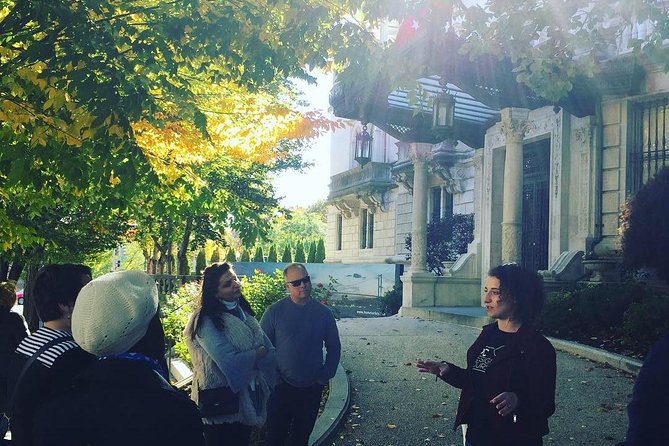
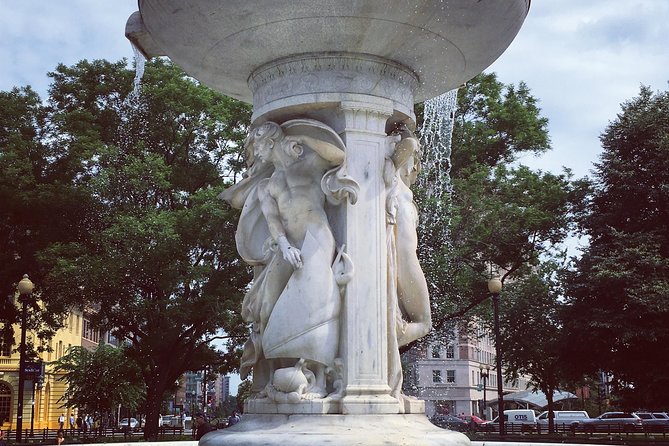
You’ll begin at Dupont Circle, which is the heart of the neighborhood and a natural way to orient yourself. The center point is the fountain, and the vibe is classic DC: elegant, photo-friendly, and instantly recognizable.
From the start, the guide typically frames the area’s social role. That helps you understand why so many ambitious families built impressive homes here in the first place. If you’ve ever wondered why Washington’s neighborhoods look the way they do—this is your fast answer. You learn the “why” before the “what,” and that makes the later stops click.
Quick win for photos
Even before you start walking, you’ll be able to grab wide shots of the circle and street views. Dupont Circle is one of those places where a good angle tells the story better than a long explanation.
Embassy Row mansions: your guide to Neo-classical, Beaux-Arts, and Queen Anne
The route’s main show is Embassy Row, where architecture shifts like a highlight reel. This part is where you’ll learn to spot styles as you walk. You’re not memorizing a textbook—you’re learning what to look for on real facades and rooflines.
The range matters because it reflects changing tastes and wealth. The tour points out the architectural gamut—Neo-classical to Beaux-Arts to Queen Anne and more—so you can see how money wanted to look both “educated” and “impressive.” Even if you’re not into architecture, you’ll leave with working vocabulary and, more importantly, better eyes.
What I like most here is the human pairing. Buildings don’t get explained in isolation. You connect design choices to the social world behind them—DC power brokers, social climbers, and characters who made headlines. It’s the kind of storytelling that turns exterior walls into character witnesses.






The big names you’ll hear along the way
Expect references to influential figures tied to the neighborhood’s social scene, including Alice Roosevelt Longworth and Evalyn Walsh McLean. The guide also connects the area to the Hope Diamond lore, which becomes an important thread as the tour moves from mansions toward embassy buildings.
Indonesia Embassy stop: opulence plus one unforgettable story
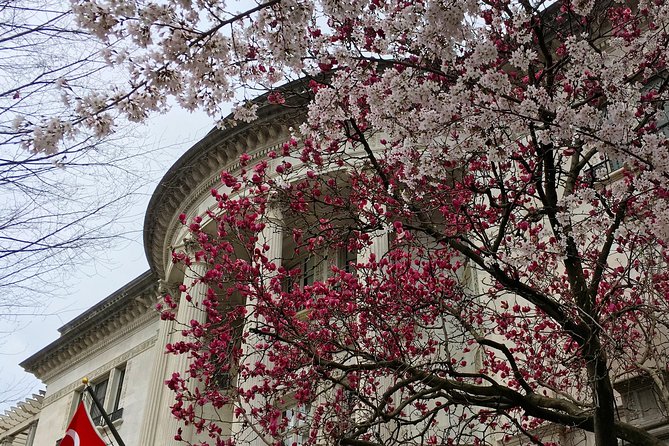
As the walk continues, you’ll pause at the Embassy of Indonesia, with a story tied to opulence and the Hope Diamond connection. This stop is short, but it’s memorable because it links a famous piece of cultural history to a diplomatic setting.
Why that matters for you: it shows how DC “reuses” its glamorous spaces. A home’s social meaning can shift. A place that once belonged to one world can serve another—without losing the architectural sense of occasion.
So when you see an embassy building that looks like it belongs in a period drama, you’ll know that it often does. The tour helps you catch that layer.
Anderson House: when wealth turns into institutions
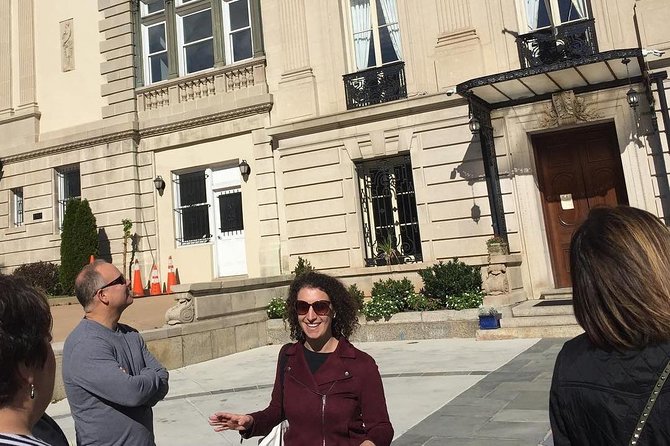
Next you’ll stop at Anderson House, an imposing mansion that once belonged to what the tour describes as the wealthiest power couple in DC. Today, it serves as headquarters for the nation’s oldest patriotic organization.
This is a smart transition point in the tour. You’re not just learning about “old homes.” You’re learning about what happens after the social era. The building’s current role gives you a way to understand why so many grand residences in DC didn’t disappear—they got repurposed.
Even if you only see the front briefly, the guide typically explains why the building’s scale and presence still make sense for an organization. You’ll start noticing that DC architecture is often built for visibility and authority.
Turkish Ambassador residence and Ahmet Ertegun’s early start
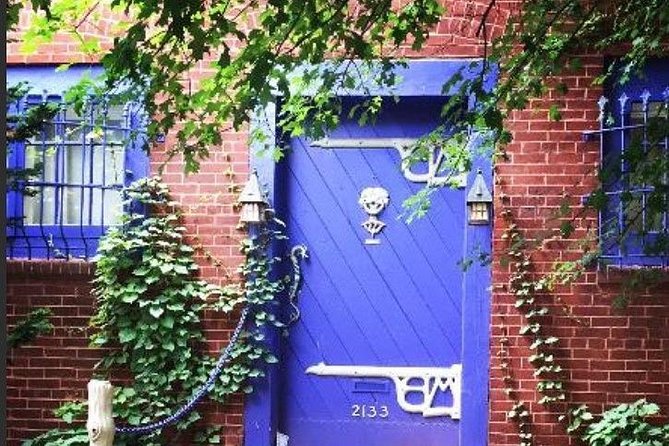
At the Residence of the Turkish Ambassador off Sheridan Circle, the tour ties a beautiful beaux-arts mansion to a music legend: the feedback notes that Ahmet Ertegun got his start here. That’s a great example of how the tour refuses to be stuck in politics alone.
This stop works especially well if you like crossovers—where culture, power, and architecture intersect. You’ll see the kind of building that looks made for important guests, and then you’ll get reminded that important guests aren’t only diplomats.
It also keeps the walk varied. You move from social-scene history to institutional history to music-industry lore without feeling like every stop is the same lecture.
Sheridan Circle NW: a Civil War monument with odd backstory
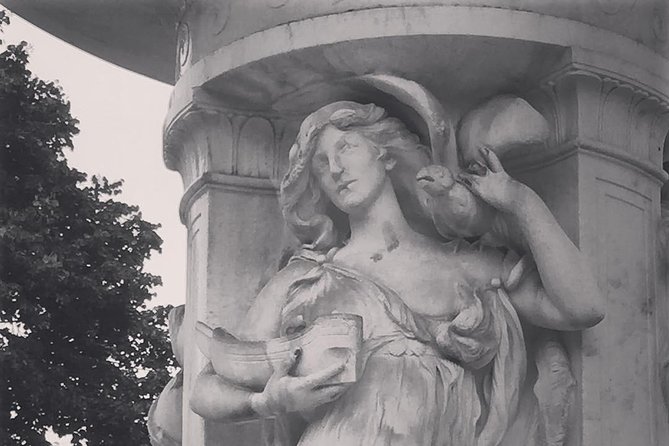
Then you’ll reach Sheridan Circle Northwest, home to a Civil War monument with a bizarre backstory. The tour also notes the sculptor connection to the artist behind Mount Rushmore.
This is where the tour adds one more ingredient: DC weirdness with context. You’ll likely come away looking at the monument differently than you would if you’d just passed through on your way somewhere else.
A good strategy here
Since this stop is brief, listen for the “why it’s odd” part. Once you understand the backstory, the monument becomes more than a statue—it becomes a clue to what people in different eras valued.
Kalorama: a quieter pocket off Embassy Row
From the monument, you’ll move toward Kalorama, described as a quiet residential area whose name means beautiful view in Greek. This section is longer than several of the earlier stops, giving you time to absorb the shift in atmosphere.
The reason this matters is simple: Embassy Row can feel like a performance. Kalorama helps you see the other DC version—less showy, more lived-in, more private. The guide frames it as home to influential characters, but the “quiet” piece is what you’ll feel first.
If you like neighborhood texture—how a city changes street-by-street—this part is a strong payoff.
The Woodrow Wilson House: a quick, non-included look
Next comes the former home of President Woodrow Wilson. The tour passes by it for a short moment, and the key detail is that this stop isn’t included as a ticketed experience in the tour package.
So here’s your practical takeaway: treat it as a sighting, not a full visit. You’ll get context from the guide, but you shouldn’t plan on lingering or going inside just because the building is famous.
Spanish Steps and the Phillips Collection finale
Then you’ll find Washington’s Spanish Steps, described as a modest version of the famous European landmark and a quiet oasis in the middle of the city. This is the tour’s mood reset. You’re still on a sightseeing mission, but the atmosphere slows down.
After that comes the ending at The Phillips Collection, where you’ll see the red brick exterior of the first modern art museum in the United States. Even if modern art isn’t your top interest, the stop is valuable because it gives your walk a conclusion that feels like DC’s real present, not only its past.
A good way to finish
After the tour, you’ll be in a strong position to decide whether you want to keep exploring inside the museum or just enjoy the neighborhood walk with fresh eyes.
Price and value: is $48 for two hours fair?
At $48 per person for around two hours, this tour is priced like a guided city walk—one that’s set up around storytelling plus visible architecture.
Here’s why I think it’s good value for the money:
- You’re paying for a local guide and narration, not just movement from place to place.
- You cover multiple landmark-level exteriors in a short span: Dupont Circle, Embassy Row highlights, and stops that connect to big names and big lore.
- The group limit (max 20) matters. You’re more likely to actually hear the guide and ask a question than on a huge bus-style tour.
If you’re the type who learns best while walking, or you like your sightseeing to come with names, styles, and motives, this price makes sense. If you prefer long museum time or guaranteed interior embassy access, you may find the format a bit too exterior-and-story focused.
Who should book this tour
This is a great fit if you:
- Like architecture but don’t want to feel like you need a degree
- Want a clear two-hour route without working out the “what am I looking at?” part
- Are curious about how American wealth and power show up in buildings, then later reappear as embassies and institutions
- Enjoy character-driven history, from social figures to cultural connections
It’s also a good choice for first-time visitors who want a DC neighborhood experience, and for repeat visitors who think they know DC already. One of the strongest themes in the feedback is that even people who’d lived in the area for years learned new things.
Planning tips for an easier, better walk
A few practical things will help you get the most out of the experience:
Wear comfortable shoes. This is a walking tour with several short stops. The pace is manageable, but it’s still a city walk.
Bring your photo brain, not your museum brain. You’ll see a lot of facades and street views. The best photos come from focusing on corners, symmetry, and the small architectural details your guide calls out.
Have a light weather plan. Feedback mentions cold, rain, and hot, humid conditions. The guides adapt, but your comfort still matters. If you can, dress in layers and carry a small umbrella.
If you’re scheduling the rest of your day, remember the tour ends at The Phillips Collection area. It’s a smart landing spot if you want to keep exploring on foot afterward.
Should you book this Dupont Circle and Embassy Row tour?
If you want DC that’s not just monuments, I’d book it. This tour gives you a tight neighborhood loop with full narration, architecture spotting, and the kind of stories that make the streets feel alive—especially if you like learning why these grand buildings exist in the first place.
I would only hesitate if you need long visits at a single site, or if you’re specifically hoping for ticketed access to everything you see. With this format, you’re buying context and orientation, not a deep stop-by-stop interior experience.
FAQ
FAQ
Where does the tour start and end?
The tour starts at Dupont Circle, Washington, DC 20036, and it ends at The Phillips Collection, 1600 21st St NW, Washington, DC 20009.
How long is the walking tour?
It runs for approximately 2 hours.
How much does the tour cost?
The price is $48.00 per person.
What language is the tour offered in?
The tour is offered in English.
Is there a guide included?
Yes. The experience includes a local guide.
How large is the group?
The maximum group size is 20 travelers.
Do I need paper tickets?
No. The tour uses a mobile ticket.
Is it close to public transportation?
Yes, it is near public transportation.
Are service animals allowed?
Yes, service animals are allowed.
Can I cancel for a full refund?
Yes. You can cancel up to 24 hours in advance for a full refund.
How far in advance is it usually booked?
On average, it’s booked about 22 days in advance.