REVIEW · MEDELLIN
Comuna 4 Walking Tour Medellin
Book on Viator →Operated by Real City Tours · Bookable on Viator
A walk that changes how you see Medellín. Moravia (Comuna 4) is not a postcard. It is a living neighborhood where you hear how people fought for space, services, and dignity while the city shifted around them.
I especially loved the personal stories—meeting locals like Gladys, who lived through the neighborhood’s biggest changes, makes the whole story feel real and human. I also liked how the tour connects the dots between big ideas and everyday life: illegal origins in the 1960s, the debate over Medellín’s transformation, health care and welfare access, and even why football graffiti matters.
The main consideration: this is a walk through serious topics. You’ll hear about an illegal start, displacement plans, and why reallocation has been resisted for more than a decade, so come with an open mind (and comfortable shoes). Also, there is no hotel pickup, so you need to get to the meeting spot.
In This Review
- Key Things to Know Before You Go
- Entering Moravia: What This Tour Really Shows
- Meet Toto and Gladys: The Power of First-Person Guidance
- Estación Metro Caribe: Moravia’s Origins and Medellín’s Competing Stories
- Morro de Moravia and La Resistencia: The Side of Change People Avoid
- Centro de Salud Moravia El Bosque: Welfare on Paper vs Access in Real Life
- Cigarreria La Plaquita: Football Graffiti and Street Identity
- Education and Strata at Fundación Oasis Urbano
- Fe y Alegría – Luis Amigó: Tiny Empanadas, Big Context
- The Synthetic Pitch: Football as Resilience and Hope
- Moravia Cultural Center: Infrastructure Built by the Community
- Price and Timing: Is $35 Really Fair for 3.5 Hours?
- Logistics That Matter on the Ground
- Who Should Book This Tour (and Who Might Skip It)
- Should You Book Comuna 4 Walking Tour Medellín?
- FAQ
- How long is the Comuna 4 Walking Tour in Medellín?
- How much does the tour cost?
- What group size should I expect?
- Where do I meet the guide?
- Is hotel pickup included?
- Is the tour suitable for people with limited mobility?
Key Things to Know Before You Go
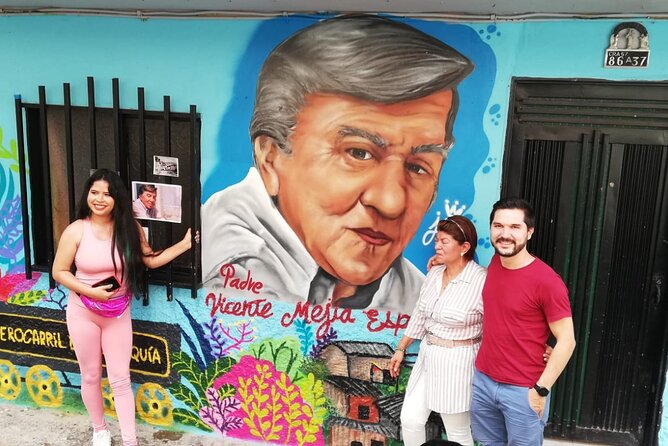
- Small group (max 8 people): easier pacing on steep, tight streets and more time for questions.
- Local voices lead the story: Toto plus a community ambassador such as Gladys keeps the tour grounded in lived experience.
- You hear the resistance side of transformation: the tour focuses on La Resistencia de Moravia and why families resisted a government reallocation plan.
- Health care realities get explained in plain terms: you learn why street vending is so visible even with a welfare system in place.
- Football culture shows up at street level: graffiti for major teams and a stop at the neighborhood synthetic pitch add a cultural lens beyond politics.
- Snack included (street empanadas): a quick break that tastes like the neighborhood, not a tourist menu.
Entering Moravia: What This Tour Really Shows
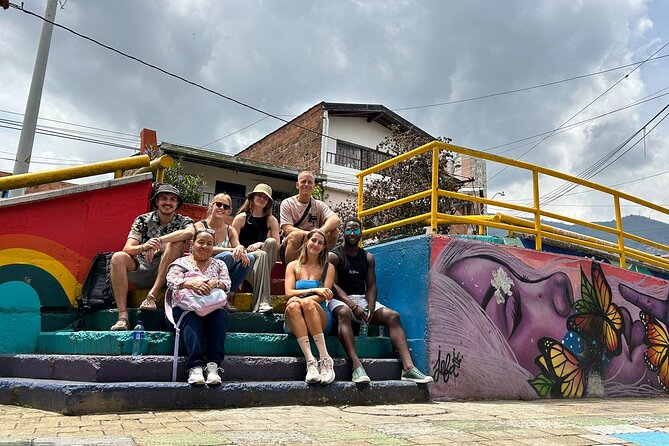
If Medellín’s center can feel like a movie set, Comuna 4 brings you back to reality. This walking tour focuses on Moravia, a neighborhood that grew under difficult circumstances and then had to negotiate what “progress” should mean for the people already living there.
You start with historical context and then keep moving through community spaces. The pace is designed to help you absorb a lot without feeling like you’re being rushed, and the small group size keeps it conversational. You’re not just watching; you’re listening and learning how residents explain their own city.
You can also read our reviews of more tours and experiences in Medellin.

Meet Toto and Gladys: The Power of First-Person Guidance
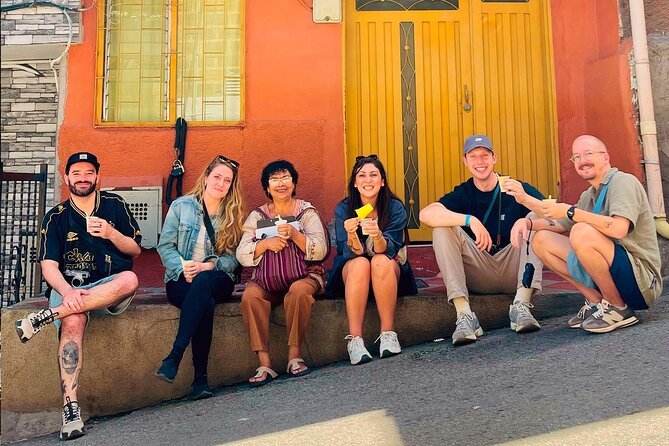
One of the biggest reasons this tour hits so hard is who leads it. You get a professional bilingual guide, and you also meet a local community ambassador—often people like Gladys—who can speak from memory, not textbooks.
In the reviews, Gladys comes up again and again as a standout presence. She was an early resident and helps bring the neighborhood’s transformation to life through personal stories. Another local resident is also mentioned by name in feedback (Abuela Gloria), and that’s a clue that the tour’s strength is consistent: community members explain what outsiders often get wrong.
This kind of guiding changes the tone. Instead of hearing a polished “tour narrative,” you hear how people interpret the same events differently—especially around what redevelopment means for daily life.
Estación Metro Caribe: Moravia’s Origins and Medellín’s Competing Stories
Your first stop is Estación Metro Caribe, where the guide and community ambassador set the stage. You get the historical context of Barrio Moravia, including how the neighborhood began in the 1960s as an illegal area.
This matters because Moravia didn’t enter the city’s planning system like a normal development. It formed first through survival and community, then had to deal with how the government and the wider city framed redevelopment later.
You also learn about one version of the transformation of Medellín. The tour’s key trick is that it never treats transformation as a single neat story. It introduces you to the idea that the city’s “progress” had winners and also people who had to fight to protect their place.
Expect this stop to feel like an orientation. It’s where you get the vocabulary for everything else you’ll see in the next few hours—so don’t treat it like a quick introduction.
Morro de Moravia and La Resistencia: The Side of Change People Avoid
Next you go to Morro de Moravia, where you visit La Resistencia de Moravia. This is where the tour shifts from background to tension—and it’s the part people seem to remember most.
You learn the other side of Medellín’s transformation: the view that isn’t often centered in public messaging. The focus is on why hundreds of families resisted a government reallocation plan for more than a decade. You’re not only hearing the timeline; you’re hearing the logic behind it—what residents feared would be lost, and what they were willing to continue fighting for.
Time here is about long enough to let the message land: roughly 45 minutes, with space to absorb the context and ask questions. If you come expecting only neat improvements and “success stories,” this stop can feel blunt. If you want to understand how communities negotiate power, it’s essential.
Centro de Salud Moravia El Bosque: Welfare on Paper vs Access in Real Life
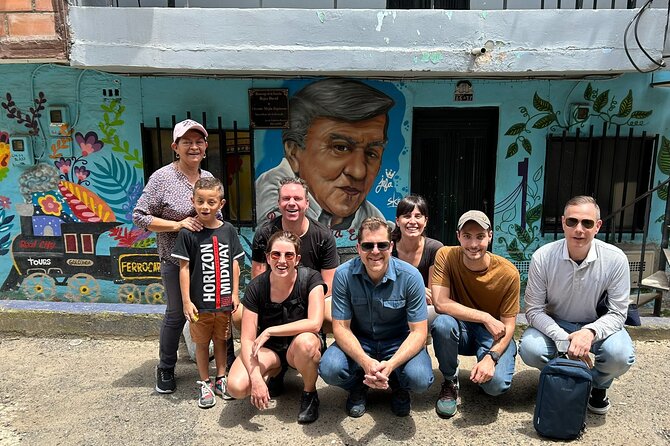
Inside Moravia, you reach Centro de Salud Moravia El Bosque, a quieter place to sit and talk. This stop is less about buildings and more about systems—specifically Colombia’s health care and welfare framework.
The tour addresses why you still see so many street vendors even when a welfare system exists. The explanation offered is tied to access: almost half of Colombians do not have access to the system. That single fact reframes a lot. It turns street life from an issue of attitude into an issue of infrastructure and fairness.
This is also a moment where the emotional temperature can shift. It’s not just conflict. It’s practical discussion—what support looks like, who gets it, and why the gaps show up visibly.
Cigarreria La Plaquita: Football Graffiti and Street Identity
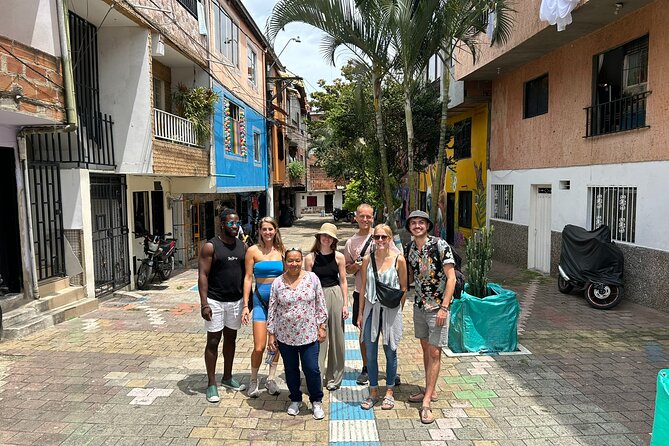
At cigarreria la plaquita, the tour zooms into culture through sport. You’ll see graffiti dedicated to the most important football teams of the city, and you talk about the cultural implications of football in Colombian society.
This stop is only about 10 minutes, but it works because it’s not random. Football here is identity, belonging, and community memory. When you connect it to what you’ve learned earlier—who has power, who is heard, who is threatened—you start to understand why sports signals can matter so much.
In short: it’s a break from heavy policy talk, without pretending the neighborhood is only entertainment.
Education and Strata at Fundación Oasis Urbano
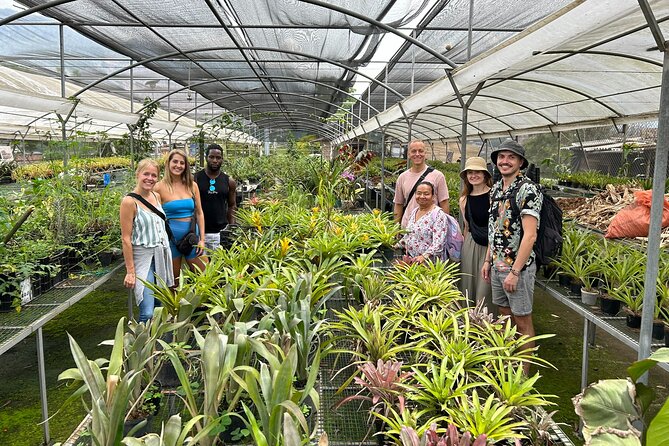
After the football scene, you get to slow down again. The tour takes you to a shaded spot in front of Fundación Oasis Urbano and explores education and the strata system in Colombia.
The strata system can be confusing if you only hear it in abstract terms. Here, you get a local framing that links it back to real consequences: what kind of services people can access, how neighborhoods are classified, and how those labels affect daily life.
This stop is also a reminder that transformation isn’t just about redevelopment projects. It’s about how people build stability through learning and community support.
Reviews also mention community projects you might spot in this area, like women-run gardens and spaces such as La Casa de Todos. Even if you don’t catch every project, the key takeaway is the same: Moravia has been creating support systems internally while it argues for external recognition.
Fe y Alegría – Luis Amigó: Tiny Empanadas, Big Context
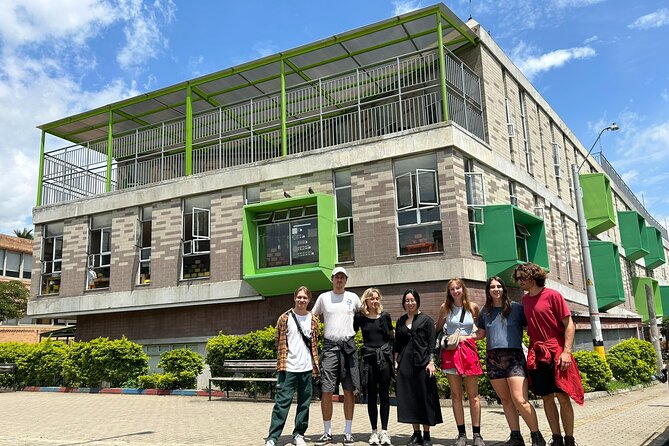
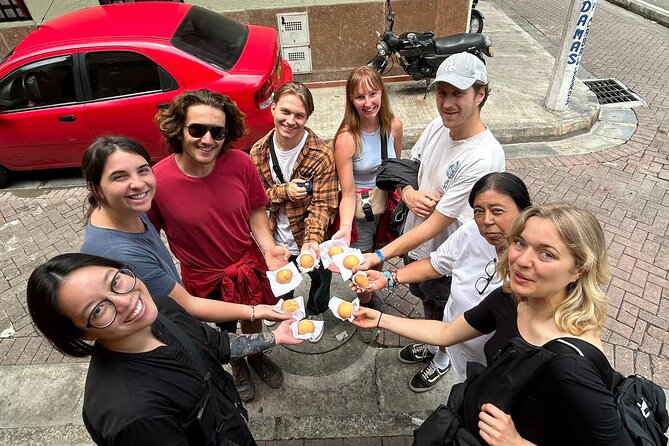
Next comes E.I. Fe y Alegría – Luis Amigó, and yes, the tour includes food here. You enjoy some of the tiniest street empanadas in the city, and it’s a real pause in the walk rather than a quick snack shove.
This is a smart moment for value. You’re learning about education while eating a local street staple. That pairing keeps the tour from feeling like only lectures. It also helps you reset after the heavier parts of Moravia’s story.
The Synthetic Pitch: Football as Resilience and Hope
Then you head to the synthetic pitch in Moravia. Here you see the football field up close and hear more from the community ambassador, including her story of resilience, resistance, and hope.
This isn’t just about sport infrastructure. It’s about who gets to play, what youth spaces look like, and how communities protect normal life even during political fights.
The stop is brief (about 10 minutes), but it lands because it puts the theme of the tour into action: resistance doesn’t only look like protest. It can look like building a place where kids can play and neighbors can gather.
Moravia Cultural Center: Infrastructure Built by the Community
The final stop is Moravia Cultural Center, where you visit the Centro Cultural. With the community ambassador, you learn the story of how the community built the infrastructure it needs.
This part is about agency. Instead of framing Moravia only as a place that was harmed by outside decisions, it shows what residents did with what they had. You hear how community effort created spaces for culture and learning—tools for identity that go beyond street-level survival.
It’s also a fitting close after hearing about resisted reallocation plans. You see the result of long-term persistence, not just the arguments against change.
Price and Timing: Is $35 Really Fair for 3.5 Hours?
At $35 per person for roughly 3 hours 30 minutes, this tour is strong value, mainly because it’s led by locals and taught with lived context. Many city tours at this price give you a generic script; this one brings you into a neighborhood with small-group attention and community leadership.
Also, admission tickets for the stops listed are free, so you’re not stacking extra fees on top of the price. You get a snack, plus the bilingual guide and community ambassador, which is the real cost driver here.
The tour has a max group size of 8, and that matters. Smaller groups mean fewer bottlenecks and more chance to ask “why” questions when something feels complicated.
Logistics That Matter on the Ground
There’s no hotel pickup or drop-off. The meeting point is at Av. Regional #Calle 78, Castilla, Medellín. That means you’ll want to plan your Metro or local transit route so you’re not sprinting across town.
The tour is also near public transportation, which helps. And it’s generally suitable for most people, with service animals allowed.
Practical tip: this is a walking tour inside a working neighborhood. Dress for comfort and plan to move steadily for the full stretch, because the value comes from how the story unfolds block by block.
Who Should Book This Tour (and Who Might Skip It)
I’d send you on this tour if you want more than redevelopment photos. If you care about how cities evolve when planning meets real lives, this is the right kind of experience.
It’s especially good if you’re tired of only the most famous, most touristed viewpoints. One of the clearest bits of advice from the experience feedback is to choose this over the more obvious alternative if your goal is learning from people on the margins of the city’s story.
You might want to skip it if your travel style is strictly light and scenic. This tour discusses displacement planning and access gaps in welfare and health care, so it isn’t trying to be feel-good.
Should You Book Comuna 4 Walking Tour Medellín?
Yes, if you want a small-group, community-led view of Medellín that connects history to systems and then back to daily life. This tour’s strongest ingredient is the presence of locals like Gladys and the way Toto presents the story with empathy and clarity.
If you book, go in with curiosity, not a checklist. Wear comfortable shoes, bring water, and be ready for moments that feel emotional and real. For many people, that’s exactly why it’s worth it, and why the time feels like it flies.
If you’re flexible, you also have the safety net of free cancellation up to 24 hours in advance, so you can hold a spot while you finalize the rest of your Medellín plan.
FAQ
How long is the Comuna 4 Walking Tour in Medellín?
The tour lasts about 3 hours 30 minutes.
How much does the tour cost?
It costs $35.00 per person.
What group size should I expect?
The tour has a maximum of 8 travelers.
Where do I meet the guide?
You meet at Barrio Transformation Tour on Av. Regional #Calle 78, Castilla, Medellín.
Is hotel pickup included?
No. Hotel pickup and drop-off are not included.
Is the tour suitable for people with limited mobility?
The information says most people can participate, and service animals are allowed.
If you want, tell me your travel dates and where you’ll be staying in Medellín, and I can suggest the best way to reach the meeting point on time.