REVIEW · COLOGNE
Cologne: Old Town Highlights Walking Tour
Book on GetYourGuide →Operated by SDS Stadtführungen Sascha Seubert · Bookable on GetYourGuide
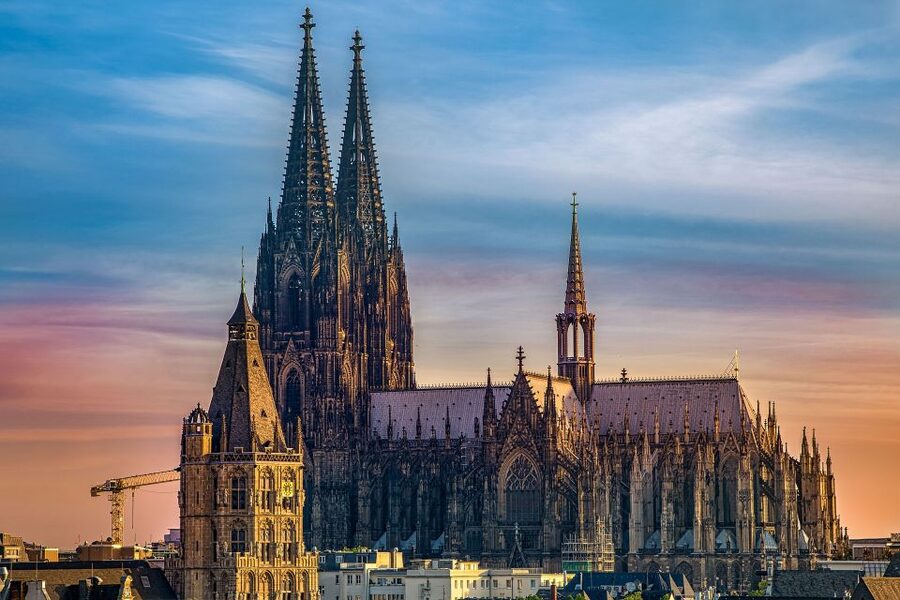
Dom towers over two hours of old Cologne. I love how the guide, often Sascha Seubert, keeps Cologne Cathedral front and center while explaining the carved myths and biblical figures right on the Gothic facade. I also love the Roman stops, from a villa mosaic to tomb and palace fragments, because Cologne doesn’t just have legends—it has layers that show. One catch: entry tickets aren’t included, and you’ll be outside between sights, so dress for real weather (especially in winter).
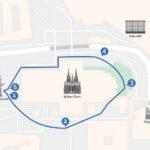
You’ll meet at the Petrusbrunnen Statue next to the cathedral, then follow a tight route through the old core: Rhine panoramas, the Hohenzollern Bridge, oldest market streets, and the historic Town Hall—finishing back at the cathedral and its fountain area. With live commentary in English and German, this is a strong first-visit tour when you want orientation fast and stories that stick.
In This Review
- Key highlights to look for
- Why This 2-Hour Cologne Walk Works So Well
- Meeting at Petrusbrunnen: Start Point and What to Expect From Step One
- Cologne Cathedral: How the Facade Turns Into a Story
- Roman Cologne Without the Museum Fatigue: Mosaics, Tombs, and Palace Remains
- Subterranean Stop: Cologne Philharmonic Hall and the Holocaust Memorial
- Hohenzollern Bridge to the Rhine: Views That Explain the City
- Old Streets, Old Markets, and the Historic Town Hall
- The Largest Romanesque Church Stop and the Fairy-Tale Finish at the Dom
- Guide Style, Group Feel, and Why People Keep Rebooking
- Price and Logistics: Getting $34 Worth of Cologne
- Should You Book This Cologne Old Town Highlights Walking Tour?
- FAQ
- How long is the Cologne Old Town Highlights Walking Tour?
- How much does the tour cost?
- Where do we meet the guide?
- Is the tour guided?
- Are entry tickets included?
- What languages is the tour offered in?
- Is there free cancellation?
Key highlights to look for
- Cologne Cathedral facade stories tied to myths, legends, and biblical scenes
- Roman-Germanic Museum area relics from Cologne’s Roman past, with a preserved mosaic floor
- Holocaust memorial stop accessed via the top of the subterranean Cologne Philharmonic Hall
- Hohenzollern Bridge views that mix old town rooftops with modern harbor shapes
- Old marketplaces and the Historic Town Hall for a real sense of daily Cologne life long ago
Why This 2-Hour Cologne Walk Works So Well
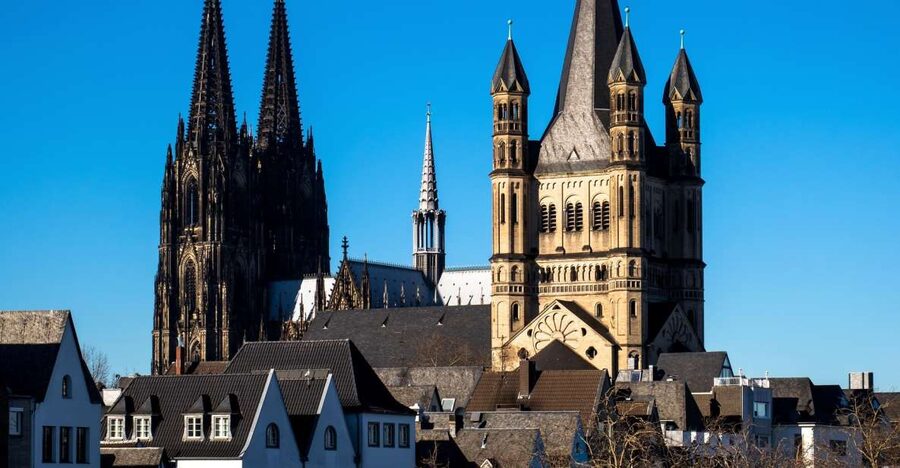
Two hours sounds short until you realize how much Cologne packs into its old center. This tour is built for “first trip to the city” energy: you get the big-ticket landmarks, plus the smaller details that make Cologne feel specific, not generic.
At $34 per person, the value comes from how dense the storytelling is. You’re not just taking photos of icons; you’re getting guided context that helps you read what you’re seeing—why the cathedral looks the way it does, how the Roman past lingers in physical remains, and how the Rhine shapes the city. Also, the time window matters: 2 hours is long enough to learn, but short enough that you’re not trapped in an all-day plan on your vacation.
The other value point is pacing. The tour is a walking experience, yes, but the route is designed around clustered sights, so you’re constantly moving without long stretches of guesswork. Recent bookings even mention that the route feels manageable, with more “tight sightseeing blocks” than an endless hike.
You can also read our reviews of more walking tours in Cologne

Meeting at Petrusbrunnen: Start Point and What to Expect From Step One
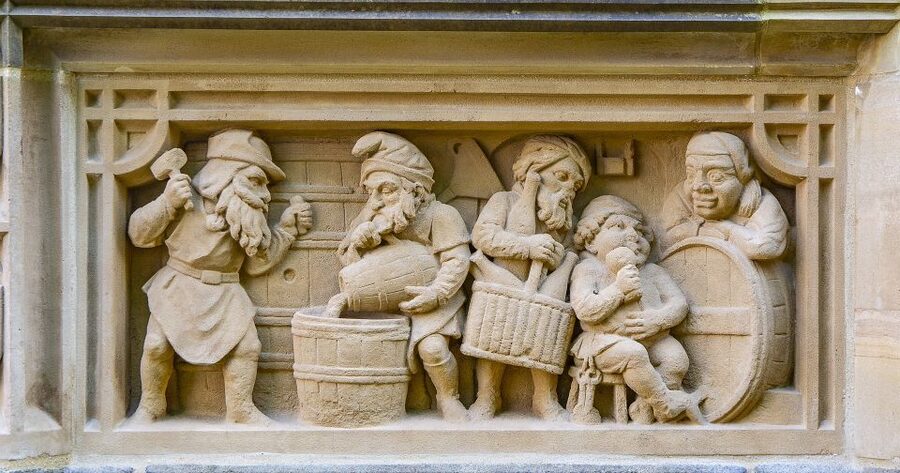
Start at the Petrusbrunnen Statue beside Cologne Cathedral. That’s a big deal because it removes one of the most annoying parts of tours: finding the meeting spot while you’re cold, tired, or distracted by the Dom looming overhead.
If you like clear communication, note that some recent bookings praised advance contact via WhatsApp the day before—so check your messages and keep your phone handy. Once you’re there, your guide will set the tone quickly: easy group management, a clear flow, and a habit of pointing out details you’ll miss if you’re wandering alone.
Bring comfortable shoes and weather-appropriate clothes. This tour spends plenty of time outdoors between stops, and winter can be properly chilly. A few recent cold-weather experiences even describe snow adding to the charm, but the lesson is the same: you want warmth, not wishful thinking.
Cologne Cathedral: How the Facade Turns Into a Story
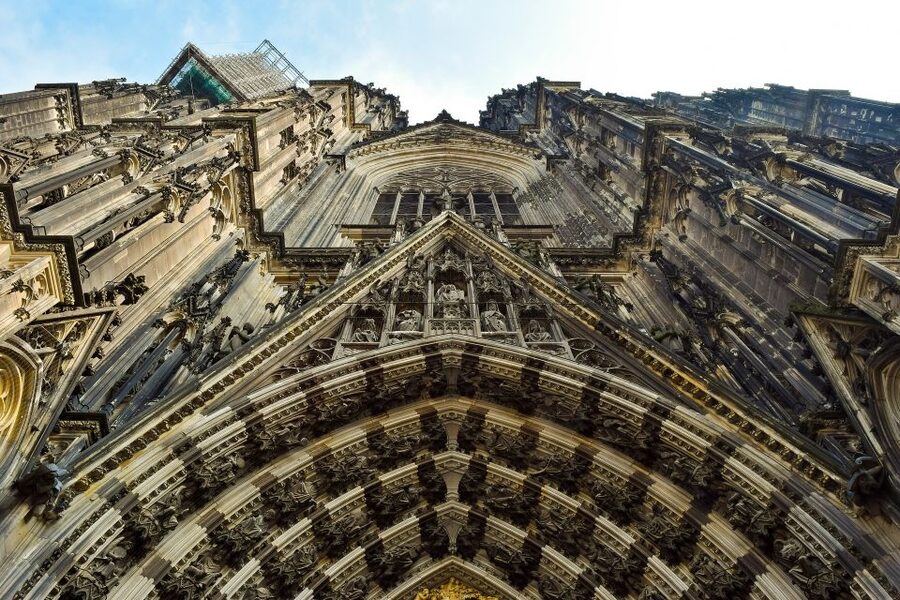
If you only do one major thing in Cologne, make it the cathedral. This tour treats the Dom like a living text, not just a photo stop.
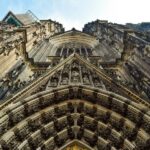
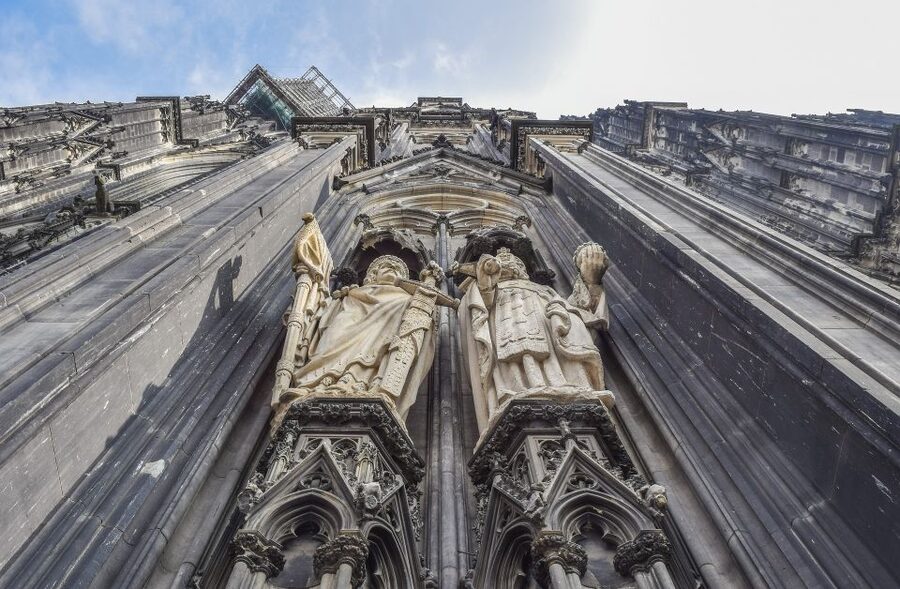
You’ll admire the cathedral’s intricate details and hear how the Gothic facade incorporates myths, legends, and biblical figures. The practical payoff is that, afterward, you’ll look at the carvings and feel like you understand what you’re seeing. Instead of staring up with no handle on meaning, you start recognizing themes and symbols.
There’s also a rhythm to how the tour approaches it. You don’t just arrive and leave. The guide helps you connect the cathedral’s scale to Cologne’s identity, then you move on to other layers of the city—so the Dom becomes your anchor as the tour “rewinds” through time.
Finally, you end back at Cologne Cathedral again. That makes the experience feel circular: you begin with the cathedral in full view, then you return with a richer understanding of why it matters and what you’ve learned along the way.
Roman Cologne Without the Museum Fatigue: Mosaics, Tombs, and Palace Remains
One of the most compelling reasons to do this walk is that it brings the Roman era into the middle of normal sightseeing time. You won’t need to commit to a long separate museum day to get the Roman layer.
You’ll visit areas tied to Roman Cologne, including a Roman villa with a preserved mosaic floor, a Roman tomb, and parts of Roman palace buildings. The standout is the mosaic: seeing it in person makes the story click. Roman Cologne wasn’t some distant rumor; it was organized, built, and decorated.
As you walk around the Roman-Germanic Museum area, you’ll see relics that tie together Cologne’s Roman period in concrete ways. The guide helps translate what you’re looking at, which is key. Roman remains can look like “rocks and walls” if you’re not told what to notice. Here, you get the pointers that help you see structure, purpose, and timeline.
Why this matters for your trip: Roman stops can feel like homework when they’re separate. This tour folds them into a “high attention” route that keeps your energy up while still giving you real context.
Subterranean Stop: Cologne Philharmonic Hall and the Holocaust Memorial
This part has weight. You’ll walk across the top of the subterranean Cologne Philharmonic Hall, then you’ll visit a Holocaust memorial.
Even if you’re not deeply familiar with local history before you arrive, this stop gives you a clear, respectful moment to reflect within the same compact route. It also keeps the tour honest: Cologne isn’t only about medieval magnificence and Roman fragments. It also has modern responsibility in how it remembers.
A practical note: because this involves a specific architectural setting and walking surfaces, wear sure-footed shoes. The tour is described as wheelchair accessible, but the activity is also labeled not suitable for people with mobility impairments—so if mobility is a concern for you, it’s worth contacting the operator before booking to confirm whether the route and surfaces work for your needs.

Hohenzollern Bridge to the Rhine: Views That Explain the City
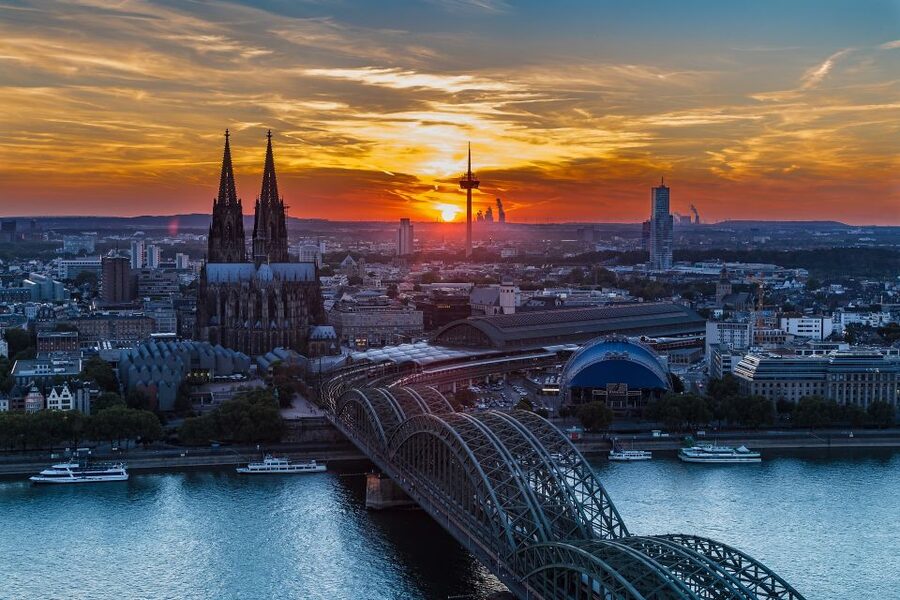
Then you step into one of Cologne’s best natural “big-picture” tools: the Rhine.
You’ll make your way to Hohenzollern Bridge for panoramas that show the old town and the newer harbor district shapes. That contrast is useful. Cologne’s riverfront isn’t frozen in time; it’s still evolving, and the bridge helps you see how the city grew around water-based life—trade, movement, and everyday connection.
After the bridge, the tour includes a stroll along the Rhine. This section breaks up the heavier architecture and gives you a chance to look around without listening to constant commentary for every single minute. It’s also a good moment for photos, because the light tends to catch both historic buildings and the river’s broad feel.
If you’re traveling in cold weather, this is also where warmth matters most. Plan layers and keep something windproof if you can. The views are worth it, but the wind off the river can be rude.
Old Streets, Old Markets, and the Historic Town Hall
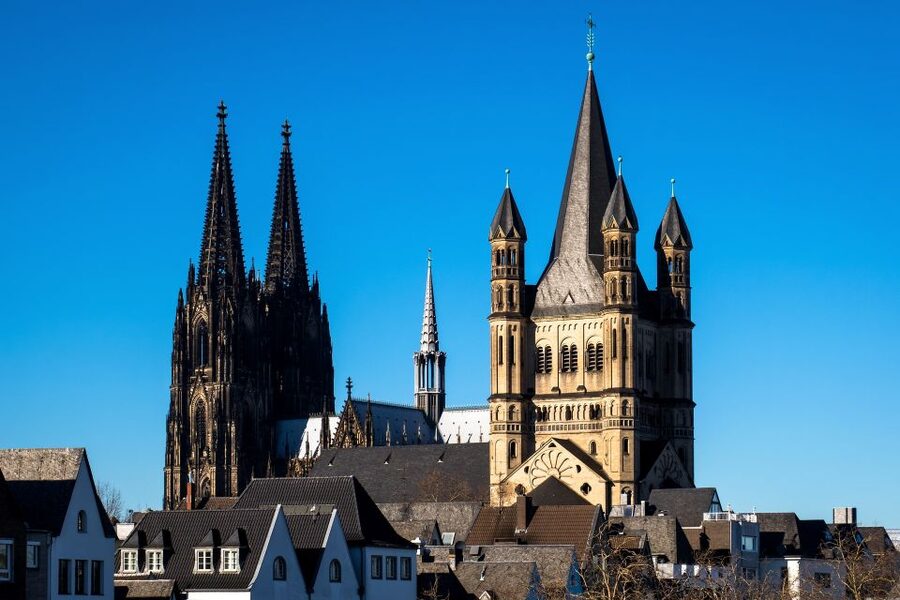
Once you move back into the old lanes, the tour becomes about daily life, not only monumental fame.
You’ll walk through ancient alleyways to Cologne’s oldest marketplaces and the Historic Town Hall. This is where the tour delivers a different kind of value: you start to picture how people moved through the city day-to-day. Markets aren’t just commerce; they’re the social engine of a place.
The guide’s style is a big part here. Many bookings mention humor mixed with serious facts, and that mix helps the older city details feel alive rather than academic. Even if your feet are tired from the first half, the tour keeps you engaged by pointing out small visual cues—window shapes, street geometry, and the kind of town layout that tells you what mattered to people at the time.
You end this segment with the sense that Cologne isn’t only a skyline. It’s a network of old civic spaces where ordinary life used to happen, right alongside the cathedral’s long shadow.
The Largest Romanesque Church Stop and the Fairy-Tale Finish at the Dom
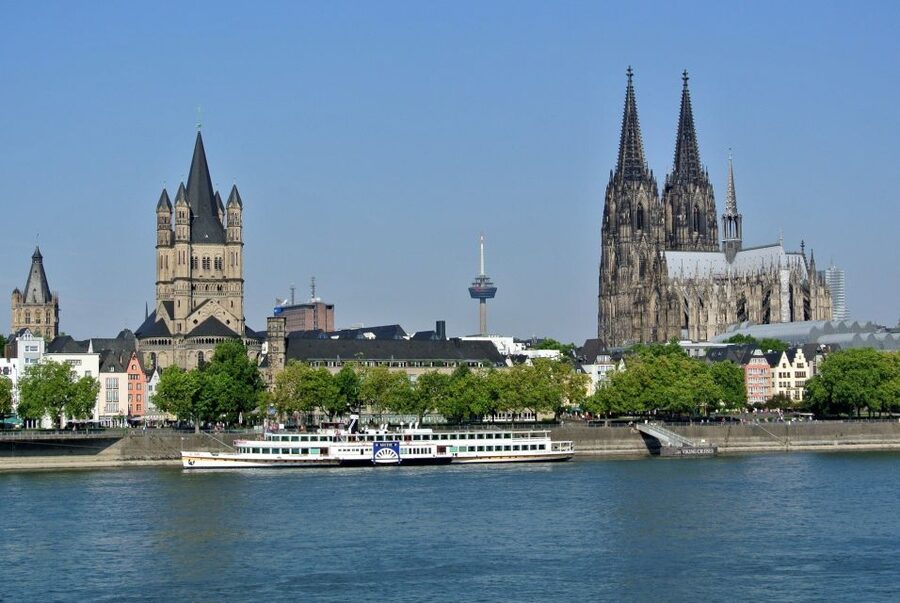
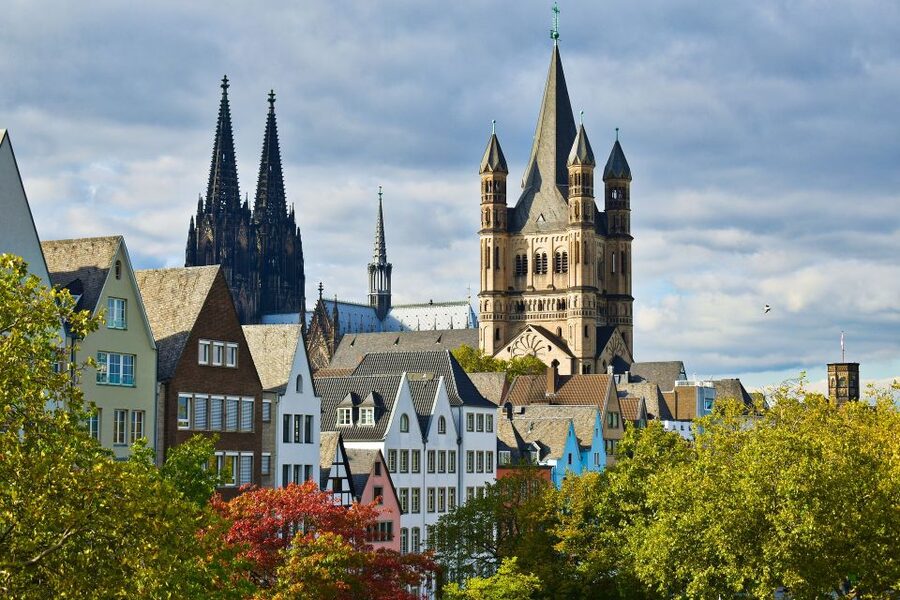
Near the end, you’ll head to the largest Romanesque church in Cologne. Even without going deep into architectural jargon, the scale and Romanesque character give you a noticeable change from the cathedral’s Gothic drama. It’s a helpful contrast stop because it reminds you that Cologne’s religious architecture didn’t come from one single wave.
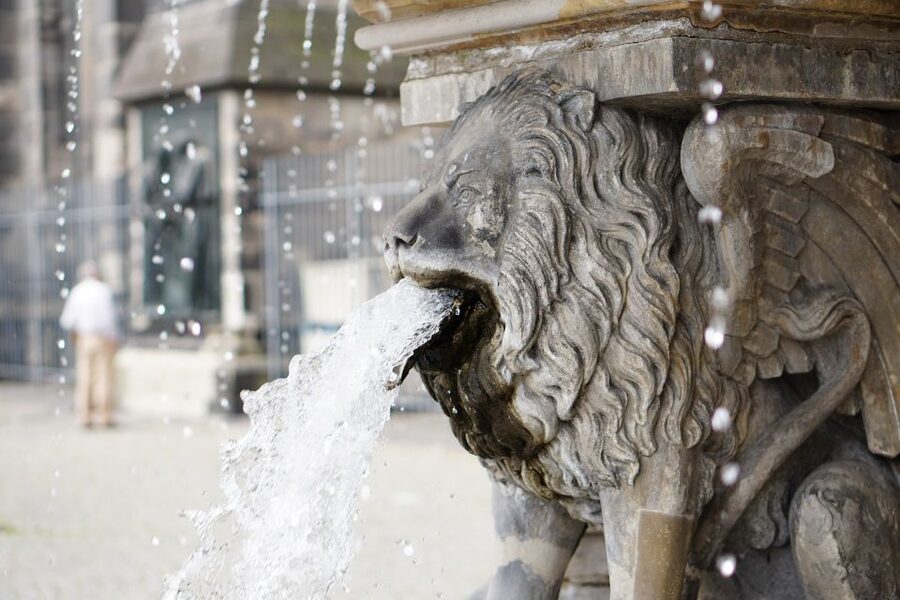
From there, you’ll continue through the old town alleyways and marketplace feel, finishing back at Cologne Cathedral and its fairy tale fountain area. That final return matters because it wraps up your mental map. Instead of leaving the Dom behind and forgetting everything that came before, you connect the dots while standing in the same place you started.
If you like your tours to end with a clear visual reference, this is a win.
Guide Style, Group Feel, and Why People Keep Rebooking
A lot of what makes this tour land well is the guide’s personality. Many bookings name Sascha and praise the combination of energy, humor, and history storytelling that includes plenty of jokes alongside serious context. People specifically liked the guide’s expressiveness and how they kept groups engaged—one even praised laughter while still learning real facts.
There’s also a practical “how was the experience” pattern: the guide is described as punctual and helpful at the start, which reduces stress for first-timers. If you’re the kind of traveler who worries about being late or not finding the group, that reassurance is worth something.
One more practical note: some bookings wondered if the 2 hours could be shorter, which usually means the tour may be more info-heavy than you expected or that Cologne’s old center doesn’t provide constant visual novelty for everyone. If you prefer a slower pace with more free time, you might balance this tour with independent walking afterward.
Price and Logistics: Getting $34 Worth of Cologne
At $34 for a 2-hour guided walk, you’re paying for interpretation and route design more than for admissions. Guided tours are often the best value when you’re trying to make sense of big landmarks quickly, and this one follows that idea.
Just remember what’s not included: entry tickets. That means you should budget extra if a paid ticket is needed for any stop you want to fully go in or spend extra time at. The good news is that the tour still covers major visual elements even if you don’t add extra admissions.
Also, the tour runs in English and German with a live guide. That matters if you’re traveling with mixed-language comfort levels. You won’t be stuck reading printed signs for key explanations.
If you’re short on time, the 2-hour format is ideal. If you have multiple days in Cologne, you can treat this as your orientation tour, then come back later for deeper museum or church time at your own pace.
Should You Book This Cologne Old Town Highlights Walking Tour?
Book it if you want a tight, high-value introduction to Cologne that hits the Dom, Roman remains, Rhine views, and old-market streets in one go. It’s especially good for first-timers and for families or teens who need history delivered in a way that doesn’t feel like a lecture.
Skip it or rethink if you hate cold outdoor walking or you need more mobility support than this type of route allows. Also consider your expectations about pacing—2 hours can feel long if you’re expecting lots of free wandering between stops.
For most people, though, this is a smart opener. You’ll leave with a clearer mental map and with stories you can actually remember when you look back at the cathedral later.
FAQ
How long is the Cologne Old Town Highlights Walking Tour?
The tour lasts 2 hours.
How much does the tour cost?
It costs $34 per person.
Where do we meet the guide?
Meet at the Petrusbrunnen Statue next to Cologne Cathedral.
Is the tour guided?
Yes. A live tour guide is included.
Are entry tickets included?
No. Entry tickets are not included.
What languages is the tour offered in?
The tour is offered in English and German.
Is there free cancellation?
Yes. You can cancel up to 24 hours in advance for a full refund.