REVIEW · BRNO
Brno: Historic Downtown Walking Tour
Book on GetYourGuide →Operated by Gray Line Brno · Bookable on GetYourGuide
Step off the busy streets and into Brno’s old core. This 2-hour Historic Downtown Walking Tour strings together the city’s best-known squares and churches, plus the quieter, weirder stuff like crypts and legends.
I especially like how the route mixes big-ticket sights with storytelling details. The guide-led approach is the real draw, and in the best moments you’ll hear names like Lukas and Luca come up for their funny, clear explanations, with little prompts like looking up at Church of St. James.
The main downside is simple: it’s a walk with no hotel pickup, so you need to show up on time at the start point and wear comfortable shoes.
In This Review
- Quick hits before you go
- Brno’s Old Town on Foot: What Makes This 2-Hour Tour Worth It
- Meeting at the Grandhotel Brno: Simple Logistics That Matter
- Liberty Square First: Medieval Brno in the Middle of Everything
- Capuchin Square and the Capuchin Crypt: The Mummies Part
- The Vegetable Market Above Underground Corridors
- Looking Up at Church of St. James (Jakuba)
- Parnassus Fountain and Reduta Theatre: Art, Allegory, and Mozart
- Old Town Hall Legends: The Dragon and the Wheel
- New Town Hall, House of the Noblemen of Leipa, and the Walk Back Along Joseph Street
- Holiday Markets in Brno: What Changes in Christmas and Easter
- Pace, Pace Variations, and What to Bring
- Should You Book the Brno Historic Downtown Walking Tour?
- FAQ
- Where do I meet for the tour?
- How long is the Brno Historic Downtown Walking Tour?
- What languages are offered for the live guide?
- How big is the group?
- Is hotel pickup or drop-off included?
- What should I bring?
- What’s included in the price?
- Can I cancel for a refund?
- Is there a reserve-and-pay-later option?
Quick hits before you go
- Small group (max 10) keeps questions from getting lost in the noise
- Capuchin Square crypt lets you see the mummified remains of city noblemen
- Underground Vegetable Market connects daily life with beer brewing and wine maturing
- Old Town legends add color to places you’d otherwise just pass
- English or German guides help you follow the details without guesswork
Brno’s Old Town on Foot: What Makes This 2-Hour Tour Worth It
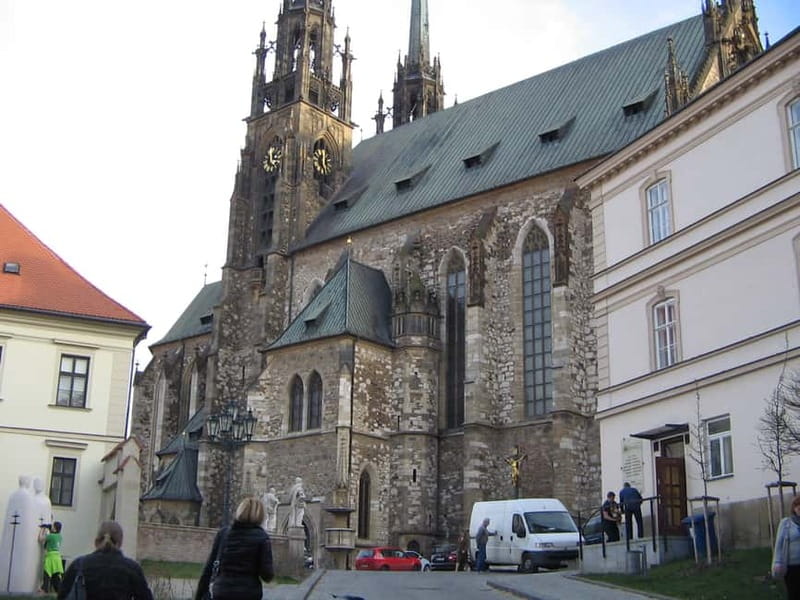
If you only have a short window in Brno, this kind of walking tour is a smart way to get your bearings fast. You’re covering the historic center at a comfortable length: the tour runs two hours, and it’s built to hit major landmarks without turning your day into a marathon.
The price is $35 per person, which is reasonable for a live guide who can connect the architecture to what was happening in Moravia and Brno over time. You’re not just paying for entry to buildings. You’re paying for a guided narrative—how squares functioned, why certain sites are famous, and what legends people still associate with places like the Old Town Hall.
This is the kind of tour that pairs well with a self-guided day afterward. Once you’ve walked Liberty Square, Capuchin Square, and the central streets, you’ll know where to return for photos, coffee, or a second look when the city feels more familiar.
You can also read our reviews of more walking tours in Brno
Meeting at the Grandhotel Brno: Simple Logistics That Matter
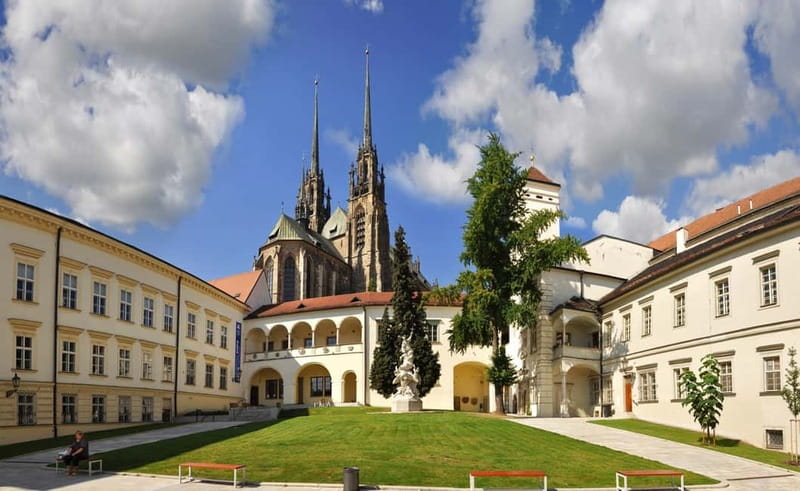
The meeting point is the reception of the Grandhotel Brno, Benešova 18-20, Brno 602 00. There’s no hotel pickup, so plan on arriving under your own steam. If you’re staying nearby, great. If not, give yourself extra time to get there calmly.
You’ll also want to respect the walking nature of the experience. The tour’s focus is the center on foot, so comfortable shoes are the best advice I can give. Even if you’re a confident walker, tight city streets and repeated stops for explanations can add up.
The group stays intentionally small, with a limit of 10 participants. That size is a big deal because you can actually ask questions and get direct answers, not just hear bits of the guide’s script from the back of the crowd. The tour runs with live guidance in English or German, so you can choose the language that matches your comfort level.
Liberty Square First: Medieval Brno in the Middle of Everything
Tours that start in the right place help you understand the city’s logic. Here, you begin in the orbit of Liberty Square, described as the main market square from the Middle Ages. Even if you don’t read every plaque, the square helps you grasp the idea that Brno’s center has been a trading and meeting spot for centuries.
From there, the walk becomes more than sightseeing. You’ll hear how the square’s role shaped the city—who used it, why it mattered, and what kinds of power and daily life surrounded these buildings. That’s the core value of a guided downtown loop: it gives your eyes a map.
One practical tip: take a quick moment at the start to look around before you start moving. Once you see the square’s layout, later stops—like the nearby churches and theatres—make more sense in relation to where people gathered.
Capuchin Square and the Capuchin Crypt: The Mummies Part
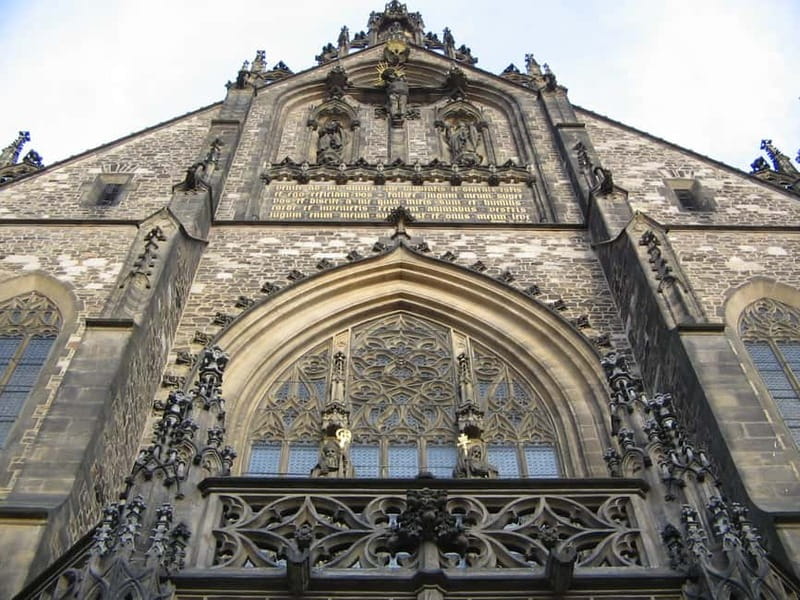
Next comes Capuchin Square (Kapucínské náměstí) and the Capuchin Monastery area, which is famous for a very specific reason: the crypt contains the mummified remains of city noblemen.
This stop has a different mood from the cheerful postcard views. It’s a place that forces you to slow down and think about how societies handled death, status, and memory. If you’re the type who enjoys unusual cultural history, you’ll probably find this the most memorable part of the walk.
A drawback to note: if you’re uncomfortable with death-related sights, this is the segment most likely to feel intense. But it’s also one of the most distinctive reasons to choose Brno over any generic city break. You’re getting an experience that you can’t replicate in other Central European capitals.
The Vegetable Market Above Underground Corridors
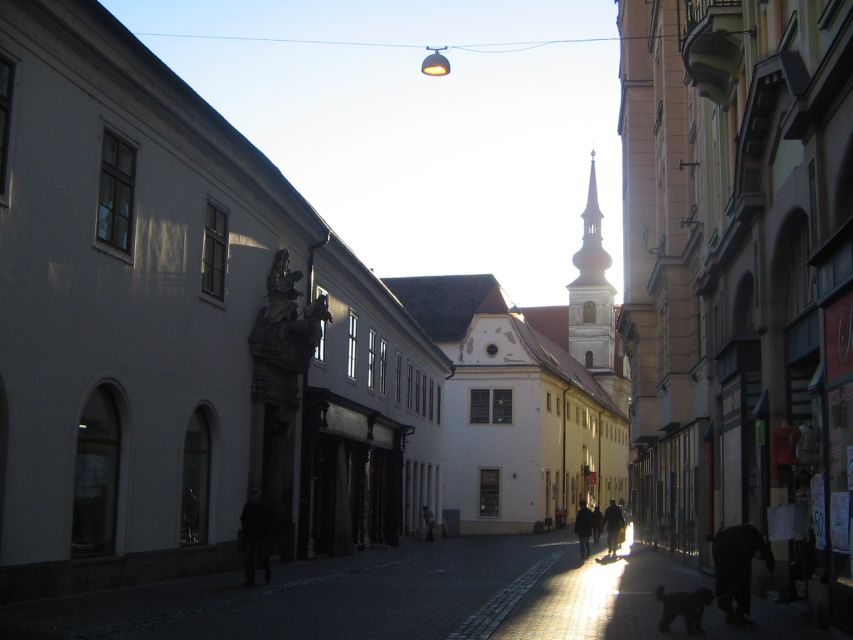
Then you reach the Vegetable Market, which sits over a labyrinth of underground corridors used to store food, brew beer, and mature wine. That’s not just an odd trivia fact. It changes how you look at the everyday center of the city.
Think about it: the city’s food and drink systems were literally under your feet. So when you stand in a market area above the ground, you’re also standing on the infrastructure that supported daily life and local trade. A guide helps you connect the practical purpose of these spaces to what you see above.
If you like food history—beer traditions, wine storage, and how cities managed supply—this is a high-value stop. Even if you don’t tour the underground spaces in detail, the explanation gives the surface sights context.
Looking Up at Church of St. James (Jakuba)
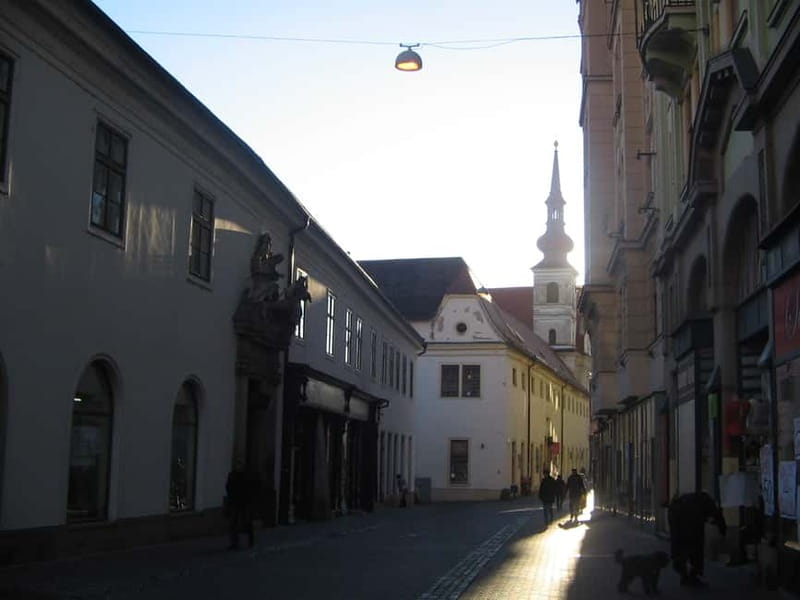
Church of St. James is part of the walk, and it’s a great reminder that Brno has a habit of rewarding attention. In one of the most memorable guide stories from English-speaking tours, there’s a detail you might completely miss: a sculpture of a naked child on the wall to the right hand side of the main entry, with the child’s backside facing toward the Cathedral of Saints Peter and Paul.
It’s exactly the sort of weird-but-meaningful detail that makes a guided tour pay off. Without a prompt, most people would walk past and never know there was a reason behind the placement.
If you’re curious about symbolism and local legend, this is also a good place to ask questions. A strong guide can tie sculpture details back to broader themes about the city’s identity and religious storytelling.
Parnassus Fountain and Reduta Theatre: Art, Allegory, and Mozart
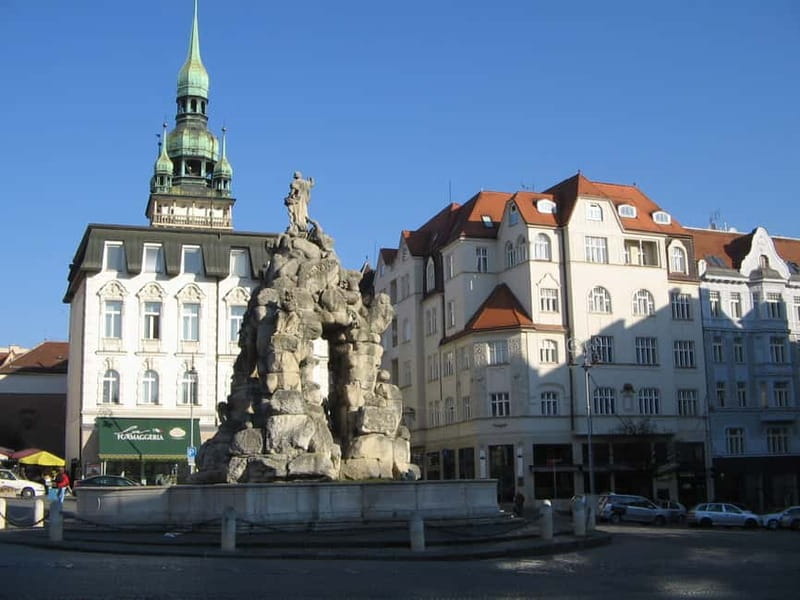
Two stops that keep things interesting are the Parnassus Fountain and the Reduta Theatre.
At the fountain, you’ll get a sense of the allegorical carvings—art that isn’t just decorative, but designed to communicate ideas. In a city like Brno, symbolism shows up again and again. A guide helps you translate what you’re looking at into something human.
Then there’s the Reduta Theatre, known for its Renaissance facade, and also for one very specific connection: Mozart once played there. Even if you’re not a hardcore classical-music fan, it’s a compelling reason to pause. The theatre isn’t just a building. It’s a reminder that Moravia’s cultural story intersects with European-wide artistic life.
For photo lovers, this is a good stretch for capturing facades and street-level architectural details without racing to the next stop.
Old Town Hall Legends: The Dragon and the Wheel
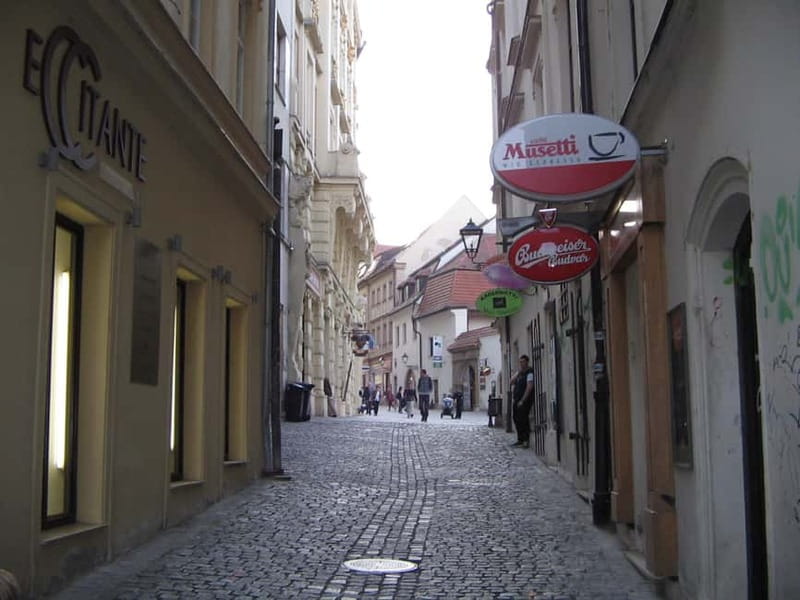
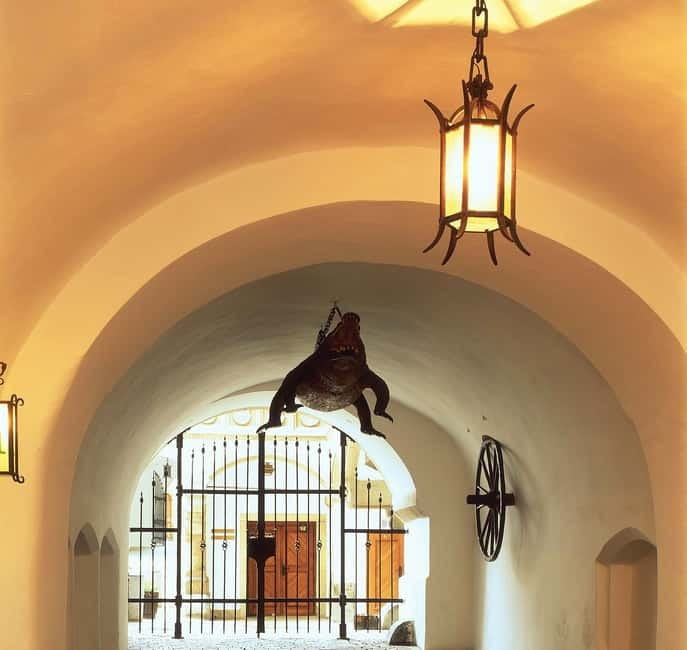
At the Old Town Hall, you’ll hear the legend of the dragon and the wheel. This is where the tour becomes more than architecture; it becomes folklore mapped onto real streets.
I like legend stops because they do something practical. They give you a memory hook. Instead of remembering a name and moving on, you remember the story attached to a particular corner of the city. Later, when you pass the building again, your brain has something to hold onto.
If you enjoy local myth and playful storytelling, this segment is likely to be a highlight. It also sets the tone for how the rest of the walk treats Brno: as a place where history and myth share the same stage.
New Town Hall, House of the Noblemen of Leipa, and the Walk Back Along Joseph Street
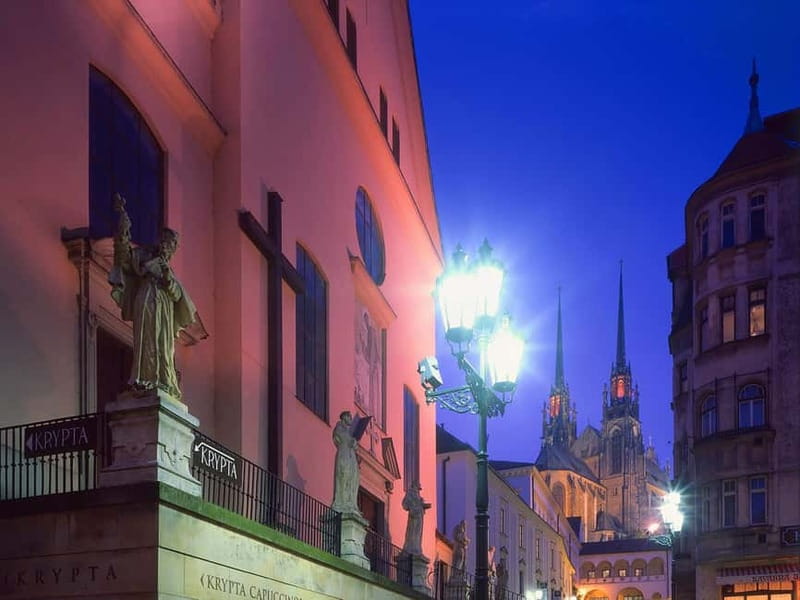
After the Old Town Hall, the tour keeps going with additional landmarks, including the New Town Hall, the House of the Noblemen of Leipa, and Church of St. James (if you missed a key detail earlier, this is where the guide’s timing and your own attention often line up).
The House of the Noblemen of Leipa matters because it points to the city’s social structure—who lived close to power and how that showed up in the urban fabric. The guide’s job here is to connect appearance to context, so you’re not just admiring old stonework without knowing why it’s there.
Finally, you head back along Joseph Street (Josefska). This is a nice ending because it transitions you from “tour mode” to “I can explore on my own” mode. Walking back through the central streets helps you notice small shops and side streets you might otherwise ignore.
Holiday Markets in Brno: What Changes in Christmas and Easter
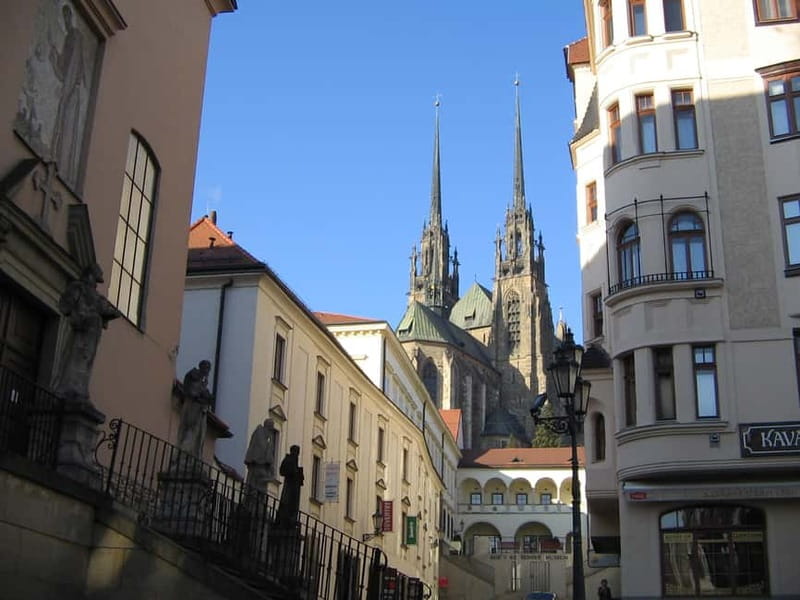
During festive holidays like Christmas and Easter, the tour can be a different experience in a good way. You’re likely to see traditional markets and learn more about Czech traditions and customs.
Even if your schedule doesn’t overlap with a holiday, the takeaway is useful: Brno’s center is built for public life. A guided walk around the same landmarks feels less like a museum route and more like you’re watching the city function.
If you travel at the holidays, this is one of the better ways to pair cultural sites with seasonal atmosphere without needing to plan every event from scratch.
Pace, Pace Variations, and What to Bring
The tour is designed to last two hours, and it follows a straight-and-stoppable rhythm. The guide’s storytelling includes time at each major point, so it’s less about constant walking and more about short segments with explanations.
One practical tip from real tour experiences: pace can vary depending on the guide and the group. I’d expect a friendly, flexible approach, but you should still plan for walking time between stops.
Bring comfortable shoes. Also bring a phone or camera if that’s your thing, but don’t rely on it to do the sightseeing work. Take a moment at each stop to look up and scan facades, especially around churches and theatre fronts.
Should You Book the Brno Historic Downtown Walking Tour?
I’d book this tour if you want a guided route that makes the center understandable quickly. With a small group, live guidance in English or German, and a strong set of central landmarks like Capuchin Square, the Vegetable Market, Reduta Theatre, and Old Town Hall, you get value that goes beyond a checklist.
You might skip it if you hate walking or if you’re not comfortable with death-related sights like the Capuchin crypt. Also, because there’s no hotel pickup, you’ll want to be in position at the Grandhotel Brno reception at the start.
If your goal is to leave Brno feeling oriented and pleasantly surprised by its mix of legends, architecture, and everyday city layers, this is a solid choice.
FAQ
Where do I meet for the tour?
Meet at the reception of the Grandhotel Brno, Benešova 18-20, Brno 602 00.
How long is the Brno Historic Downtown Walking Tour?
The tour duration is 2 hours.
What languages are offered for the live guide?
The live tour guide is available in English and German.
How big is the group?
It’s a small group limited to 10 participants.
Is hotel pickup or drop-off included?
No. Hotel pickup and drop-off are not included.
What should I bring?
Wear comfortable shoes since it’s a walking tour through the historic center.
What’s included in the price?
The tour includes a guided walking tour.
Can I cancel for a refund?
Yes. You can cancel up to 24 hours in advance for a full refund.
Is there a reserve-and-pay-later option?
Yes. You can reserve your spot and pay nothing today, then pay later.