REVIEW · SIEM REAP
Siem Reap: City Walking Tour
Book on GetYourGuide →Operated by Adventure Travel Co. · Bookable on GetYourGuide
Siem Reap feels simple on foot. This 2-hour city walk stitches together palaces, markets, and Buddhist life with a local guide talking you through what you’re actually seeing. You’ll start in the Royal area, then move through colonial back streets to the shopping lanes, before landing at Wat Preah Prom Rat with its reclining Buddha and the meaning behind temple customs.
I love the mix of “big sight” and “everyday city.” The stops aren’t just photo points; the guide explains how places like the pagoda and gardens fit into daily Cambodian life, which makes the walk click fast. I also really like the guide quality—names like Banana, Chek, Choid, Tee/Tea, Ty, and Sai show up again and again, with praise for clear English and fun, story-driven explanations.
One thing to consider: this tour has no hotel pickup, so you’ll need to get yourself to the meeting point on time and be ready to walk in heat. Also, you will need to remove shoes for pagodas, so wear footwear that’s easy to take on and off.
In This Review
- Key Points You’ll Appreciate on Day One
- How the Tour Starts: Meet Outside Damnak Supermarket
- What walking pace feels like (in real life)
- Royal Residence and Royal Gardens: A Quick Read on Siem Reap’s Power Centers
- Why this first stop works for first-time visitors
- Kandal Village: Colonial Back Streets Turn into Coffee and Boutiques
- How to use this stop without over-shopping
- Wat Preah Prom Rat: The Reclining Buddha and the Temple Rules
- The one practical rule you must plan for
- Psar Chas (Old Market) and the Central Market Feeling
- What to do with your senses here
- Pub Street by Day: Learning the Night Before You Go Out
- My advice: use this as a planning stop
- Price and Value: Why $6 for a Guide Makes Sense
- Who This Walk Suits Best (and Who Should Skip It)
- Should You Book This Siem Reap City Walking Tour?
- FAQ
- How long is the Siem Reap City Walking Tour?
- What does it cost?
- Where do I meet the group?
- Is hotel pickup included?
- What’s included in the ticket price?
- Do I need to remove my shoes?
- What language is the tour guide?
- What should I bring?
- FAQ
- Is free cancellation available?
- Is food included?
- How big is the group?
Key Points You’ll Appreciate on Day One
- Royal Gardens + Residence first so you get a clear sense of where the city’s “center of gravity” sits
- Wat Preah Prom Rat is the focus, with an easy-to-understand intro to pagodas and Buddhist routines
- Kandal Village adds a modern contrast: boutique shops and coffee houses in older, colonial-style streets
- Psar Chas (Old Market) gives you a real feel for commerce—produce, clothing, souvenirs, and snack stalls
- Pub Street by day helps you understand what to expect at night, without dragging you into a chaotic scene
How the Tour Starts: Meet Outside Damnak Supermarket
You’ll meet outside Damnak Supermarket at the corner of Wat Bo Road and 7 Makara Street (also called High School Road). Aim to arrive about 5 minutes early so you can check in and start on time.
This is a smart setup if you’re staying somewhere walkable in the center. If you’re not, plan a quick tuk-tuk or Grab-style ride to get there before the group sets off. The tour is built for momentum—once you’re moving, it’s a steady stroll rather than a stop-and-start museum route.
What walking pace feels like (in real life)
The total time is 2 hours with a small group capped at 10. That usually means you’re not waiting around, and you’ll cover enough ground to get your bearings fast. Bring comfortable shoes; this part matters because Siem Reap’s sidewalks can be uneven, and you’ll spend more time on your feet than you expect for a “short” tour.
Royal Residence and Royal Gardens: A Quick Read on Siem Reap’s Power Centers

The walk begins at the Royal Gardens and Royal Residence, which gives you a foundation for everything else you’ll see. The Royal area sets context—this is where you understand why certain religious and cultural spaces hold prestige, and why the city developed in a way that still shows up today.
Here’s what I’d watch for: the layout and the sense of ceremony. Even before you reach the pagoda, the Royal Gardens teach your eyes what “importance” looks like in this part of Cambodia—how space, entrances, and surroundings communicate status and respect.
Why this first stop works for first-time visitors
I like the order. Starting here helps you read later scenes at Wat Preah Prom Rat and in the markets. When you understand what a royal residence and garden area represent, temple rules (like shoe removal) make more sense instead of feeling random.
Kandal Village: Colonial Back Streets Turn into Coffee and Boutiques
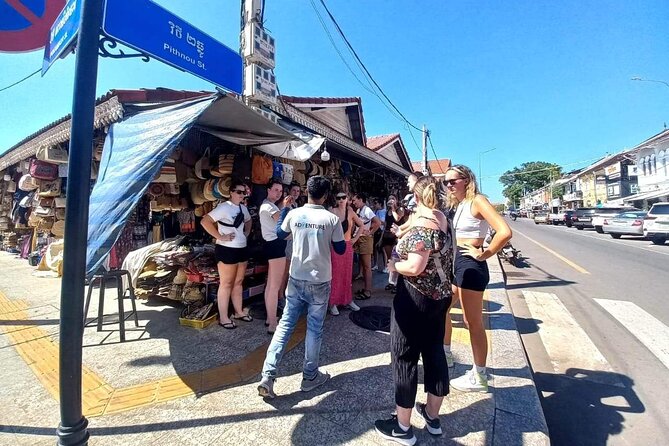
After the Royal area, you’ll head through colonial back streets toward Kandal Village, one of the most popular shopping stretches in town. This part is more about atmosphere than “must-see monuments.”
Kandal Village is where you’ll notice how Siem Reap blends old and new. The street feel can look historic in places, while the storefronts and coffee spots lean modern—so you get a contrast that feels like a living city, not a staged set.
How to use this stop without over-shopping
You don’t need to buy anything. Use it like a visual scouting mission: look at signage, notice how streets connect, and pay attention to prices so you’re not startled later in Psar Chas. If you’re the type who likes gifts, you’ll get a better sense of what kind of souvenirs are common before the tour shifts into market mode.
Wat Preah Prom Rat: The Reclining Buddha and the Temple Rules
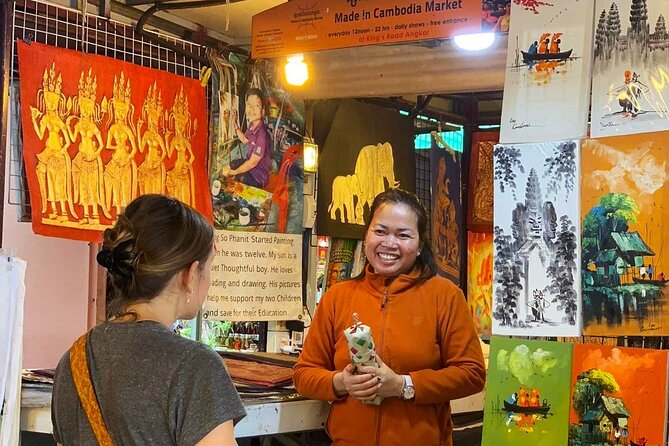
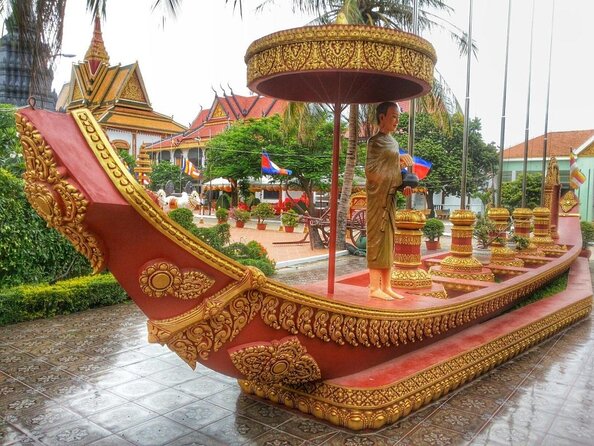
Now for the emotional and spiritual centerpiece: Wat Preah Prom Rat, described as the city’s largest pagoda and known for its reclining Buddha. This stop is where the guide turns the visuals into meaning.
You’ll get an introduction to how pagodas and Buddhism factor into daily Cambodian life—what people do, why they behave a certain way, and how religion shapes everyday routines. That kind of explanation is what transforms a building from “a thing to photograph” into “a place with rules and purpose.”
The one practical rule you must plan for
You’ll need to remove your shoes when entering pagodas. The simplest strategy: wear shoes that slip on/off quickly, and keep them somewhere you can manage without holding up the group.
Also use sun protection. Reviews and the tour basics both point to warm, bright conditions, so bring a hat, sunglasses, and sunscreen if you’re going during peak daylight hours. It’s not about comfort only—it’s about keeping your energy steady so you can enjoy the explanations rather than rushing for shade.
Psar Chas (Old Market) and the Central Market Feeling
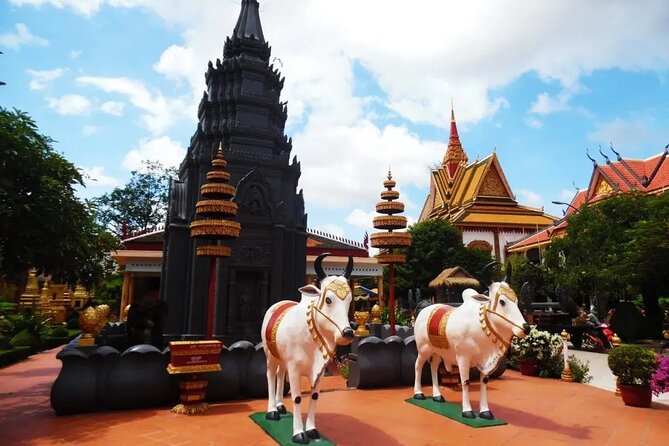
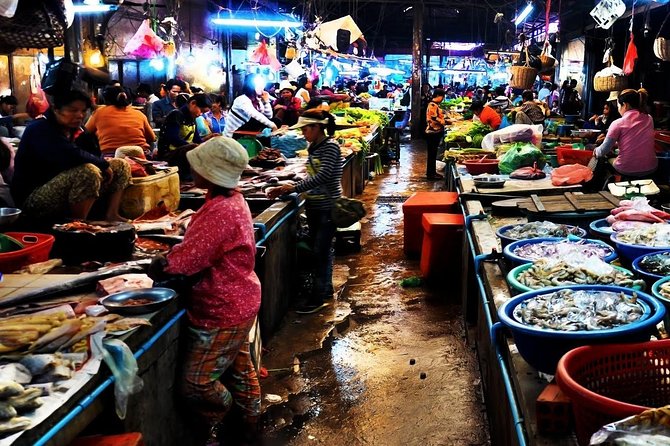
Next comes Psar Chas (Old Market), which acts like a hub for almost everything: clothing and souvenirs, plus fresh produce and food stalls. This is where you start seeing the city’s “everyday engine” up close.
I love how market stops teach you to navigate with your eyes. Instead of trying to read every sign, you learn to notice patterns: where people gather, what smells mean you’re near food, and how stalls cluster by type. Your guide can help you spot what’s worth a look and what’s best to treat like background.
What to do with your senses here
You’ll likely pass everything from market wares to snack areas. If you’re hungry, your guide can point you toward easy-to-handle options, but remember the tour doesn’t include food. If you want to keep costs low, bring a small budget and treat this as a “peek first, eat if it’s right” stop.
For souvenir shopping, this is also where you can set your expectations. Seeing a bit of the market early makes later purchases less confusing, especially if you’re trying to avoid overpriced items aimed at tourists.
Pub Street by Day: Learning the Night Before You Go Out
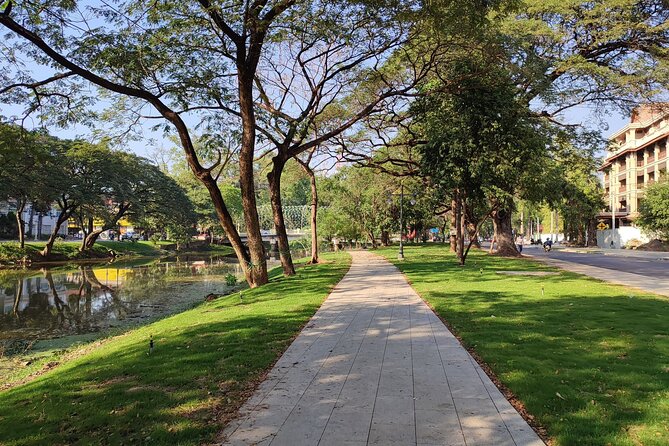
The tour includes Pub Street by day, plus local tips for a better nighttime experience. This is a clever move because Pub Street can be intense after dark; during the day, it’s more about context.
Your guide can help you understand what the street is like, what areas you’ll want to avoid if you’re not into crowds, and how to plan your evening without guessing. Even if you don’t party hard, those small pointers can save you from wasting time wandering in the wrong direction at night.
My advice: use this as a planning stop
You’re not here to lose yourself. Think of Pub Street as your “night map.” Take mental notes about where bars cluster, where quieter pockets might exist, and which nearby streets could be better for an actual dinner versus just drinks.
Price and Value: Why $6 for a Guide Makes Sense
At $6 per person for a 2-hour guided walk with a live guide, this is one of those easy-value decisions—especially if it’s your first time in Siem Reap.
What makes it good value isn’t just the cost. It’s the combination: Royal Gardens/Residence, a major pagoda with a reclining Buddha, and key market areas in a single compact loop. With a guide, you’re paying for context—why people behave a certain way at a pagoda, what market lanes are really for, and how to make sense of the street layout so you can explore on your own later.
Small group size (max 10) also matters. Even if you only get a handful of stops, you’ll spend less time standing around waiting for others to catch up.
Who This Walk Suits Best (and Who Should Skip It)
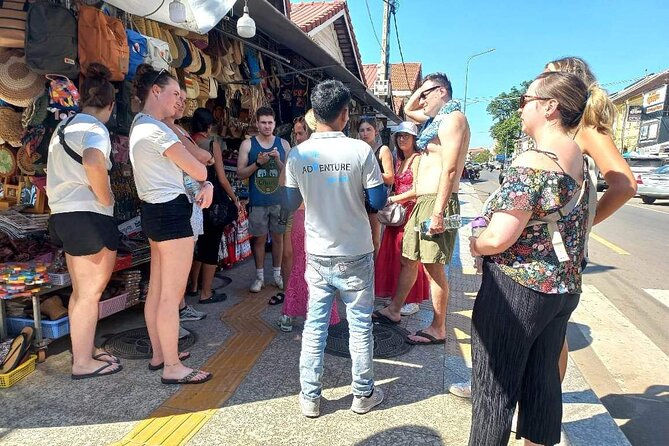
This is best for you if:
- You want orientation fast in Siem Reap, especially on day one
- You enjoy guided context more than just checking off landmarks
- You like a compact route that includes temples and markets
- You prefer a calmer group setting rather than a huge bus crowd
It may not be the best fit if you:
- Want a long sit-down experience or museums with time to linger
- Can’t manage walking in warm weather or prefer minimal walking
- Need hotel pickup to make logistics easy (because this one doesn’t include it)
Should You Book This Siem Reap City Walking Tour?
If you’re deciding between “hop around alone” or “start with a local,” I’d pick this kind of walk. The price is low enough that you’re not taking a big risk, and the two-hour format makes it a strong warm-up before you spend more time around Angkor-related activities.
Book it if you want to leave knowing where things are, what key sites mean, and how to plan your night around Pub Street without guessing. Skip it only if you hate walking, you’re extremely sensitive to sun, or you absolutely need hotel pickup.
If you do book, wear comfortable shoes, pack sun protection, and come ready to listen. The difference between seeing Siem Reap and understanding Siem Reap is usually your guide—and the guides on this route are repeatedly praised for clear English, friendly energy, and stories that make the city feel human.
FAQ
How long is the Siem Reap City Walking Tour?
The tour lasts 2 hours.
What does it cost?
The price is $6 per person.
Where do I meet the group?
Meet outside Damnak Supermarket on the corner of Wat Bo Road and 7 Makara Street (High School Road), about 5 minutes before the start time.
Is hotel pickup included?
No. Hotel pickup is not included.
What’s included in the ticket price?
The tour includes a live tour guide.
Do I need to remove my shoes?
Yes. You must remove your shoes when entering pagodas.
What language is the tour guide?
The guide speaks English and Cambodian.
What should I bring?
Bring comfortable shoes. Sun protection like a hat, sunglasses, and sunscreen is recommended.
FAQ
Is free cancellation available?
Yes. You can cancel up to 24 hours in advance for a full refund.
Is food included?
No. Food and drinks are not included, and personal expenses are also not included.
How big is the group?
It’s a small group, limited to 10 participants.