REVIEW · SANTIAGO CHILE
Santiago: Guided Walking Tour of the Historical Old Town
Book on GetYourGuide →Operated by Empire Vasquez Tour · Bookable on GetYourGuide
Old Santiago teaches fast on foot. This 3-hour walk strings together Palacio de La Moneda and the city’s core landmarks, with a live guide keeping the story clear in Portuguese, English, or Spanish.
I love the stop at the Cathedral of Santiago and the panoramic payoff from Santa Lucía Hills, which helps you understand how neighborhoods connect. The only catch: it’s weather-dependent and you’ll be walking for hours, so plan for heat and bring comfortable shoes.
In This Review
- Key takeaways before you go
- Why this Santiago Old Town walk is such a good first move
- Palacio de La Moneda to the historic core: start where power meets the street
- Plaza de Armas and the Cathedral of Santiago (1748): the visual anchor
- Beyond the monuments: City Hall and the civic web you can actually see
- Bellas Artes neighborhood: art culture without the museum-pressure
- Santa Lucía Hills: the panoramic “map moment”
- Lastarria and Forest Park: a calmer stretch before the food finish
- Bellavista and Patio Bellavista: finish with dinner-ready energy
- What makes Eugenio’s guiding style matter (and not just the route)
- Price and value: $25 for a full city orientation
- Who this tour suits best, and who should skip it
- Practical tips for your day in Santiago
- Should you book this Santiago Old Town walking tour?
- FAQ
- How long is the Santiago guided walking tour of the historical old town?
- Where does the tour start?
- How many people are in the group?
- What languages is the live guide available in?
- Which major sights are included on the walk?
- Is Santa Lucía Hills entrance free?
- What isn’t included in the tour price?
Key takeaways before you go
- Small group (up to 10) means you can ask questions without losing the flow.
- Eugenio’s pacing keeps the tour moving while still giving time to look closely.
- Cathedral of Santiago (dating to 1748) anchors the whole route with real historical context.
- Santa Lucía Hills views are a standout, and entrance is free from Tuesday to Sunday.
- Neighborhood contrast runs through art streets (Bellas Artes), then food streets (Bellavista).
- Finish at Patio Bellavista makes it easy to continue with dinner or a wander right away.
Why this Santiago Old Town walk is such a good first move
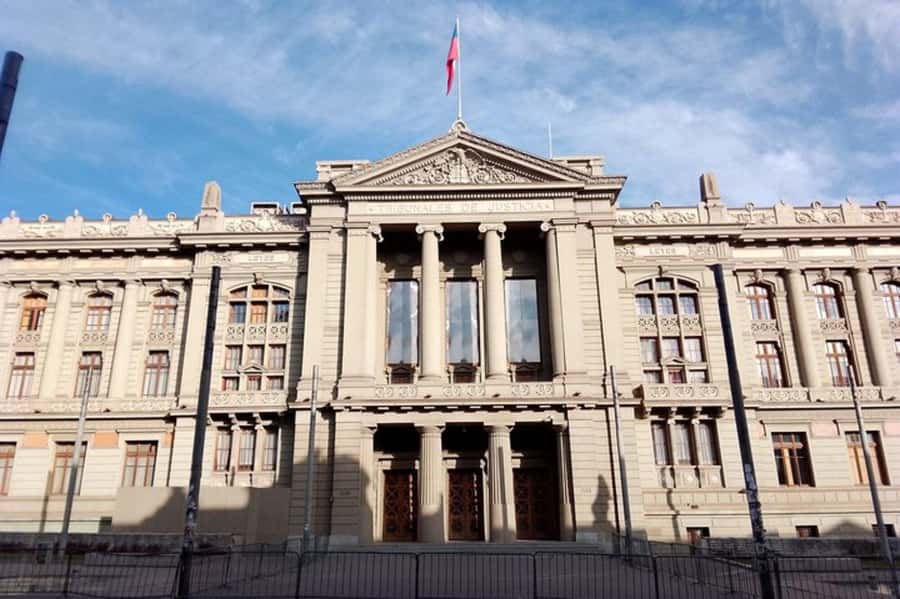
If Santiago is new to you, this kind of guided walking route helps you build a usable mental map fast. You’re not just checking boxes—you’re walking through the city’s political center, its colonial-era heart, and two very different cultural neighborhoods in one afternoon.
The best part is the balance of major landmarks and “in-between” streets. Starting at the presidential palace area gives you context for what you’ll see later; ending in Bellavista sets you up to eat and decompress instead of racing across town.
Palacio de La Moneda to the historic core: start where power meets the street
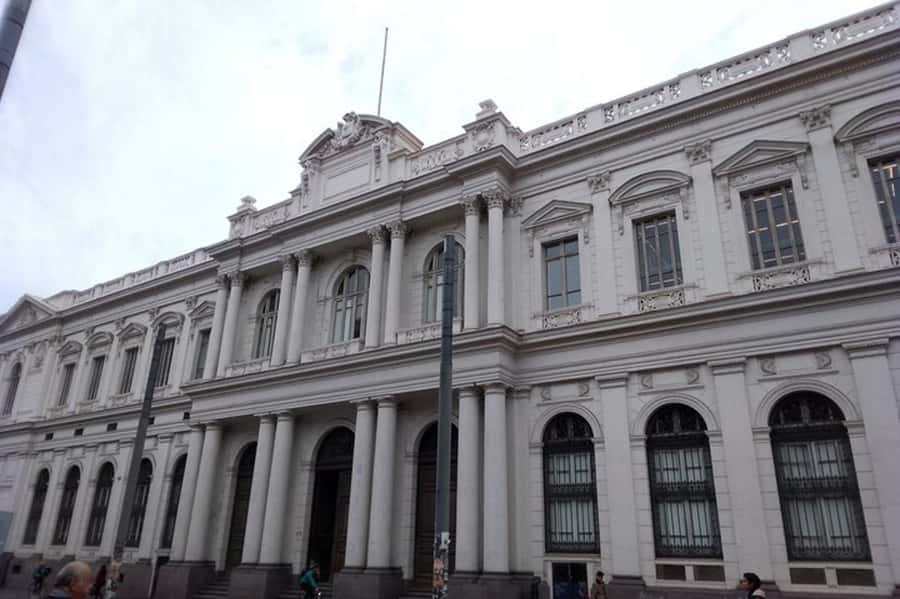
The tour begins at the iconic Palacio de La Moneda. From there, you’re guided through the historic center with an emphasis on how Santiago grew into what it is today, using the streets and buildings as clues.
This opening matters because it shapes how you read the rest of the day. A guide can point out what you’d easily miss on your own—why certain institutions sit where they do, and how the city’s “center” has shifted over time.
You’ll also make stops along the way that focus on civic Santiago, including the Stock Exchange Building, Bandera Avenue, and the Court Justices. Even if you’re not a law-history person, you’ll likely appreciate how these landmarks reflect everyday life: finance, governance, and public space all sit within walking distance.
Plaza de Armas and the Cathedral of Santiago (1748): the visual anchor
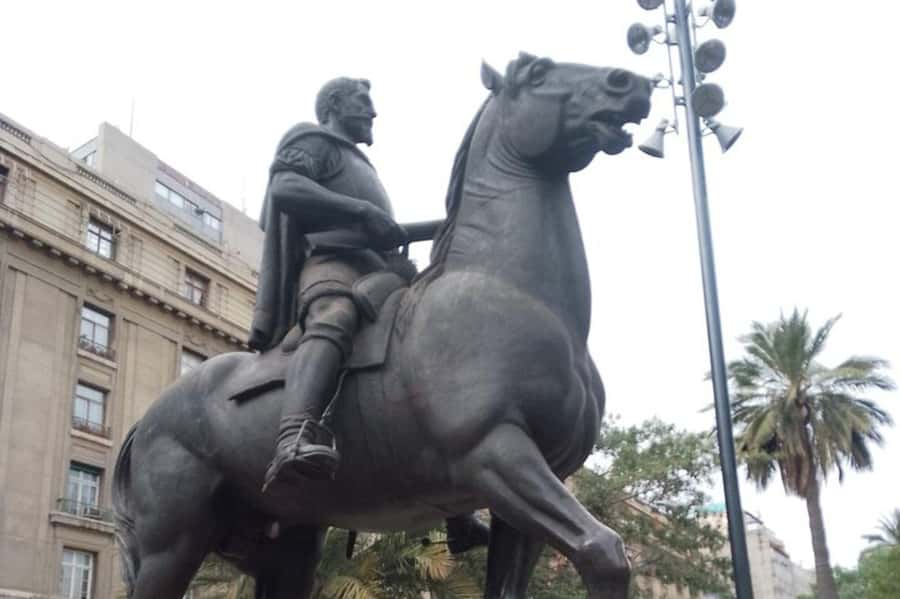
Next comes Plaza de Armas, the classic gathering space where you can feel the city’s layers at once. You’ll have a chance to take in the open square setting before moving to the big centerpiece: the Cathedral of Santiago, which dates back to 1748.
Why this stop works so well on a walking tour: the cathedral isn’t just a photo moment. It’s the kind of landmark that helps you understand the rhythm of the city—what was built first, what was rebuilt, and how Santiago organized its most important religious and civic spaces.
A practical note: plazas can get hot in the afternoon. The good news is that the tour is designed to keep you moving between shaded viewpoints and key stops, so you don’t end up roasting in place for long.
Beyond the monuments: City Hall and the civic web you can actually see
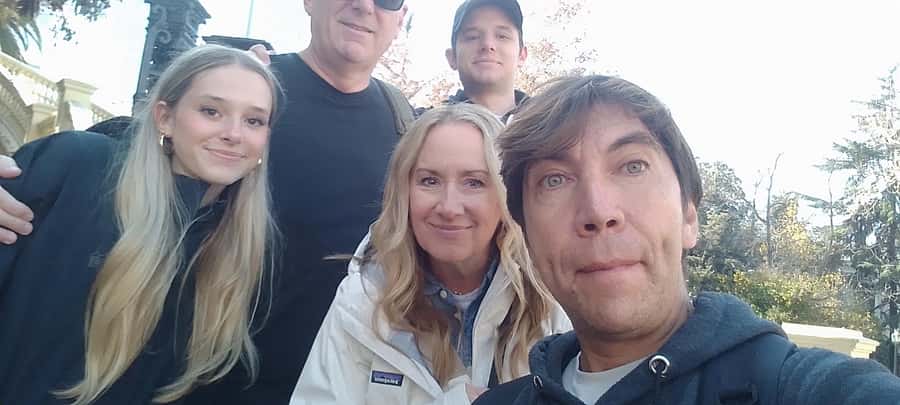
After the cathedral area, you continue through the city’s civic zones, including Santiago’s City Hall. This segment helps connect the story from the palace and government institutions earlier in the route to the public-facing life of the center.
This part of the walk is for you if you like seeing how a city functions, not just what it looks like. The guide ties together buildings and streets so the route stops feeling random. Instead, you start noticing patterns: what’s centered, what’s ceremonial, and what’s practical.
Bellas Artes neighborhood: art culture without the museum-pressure
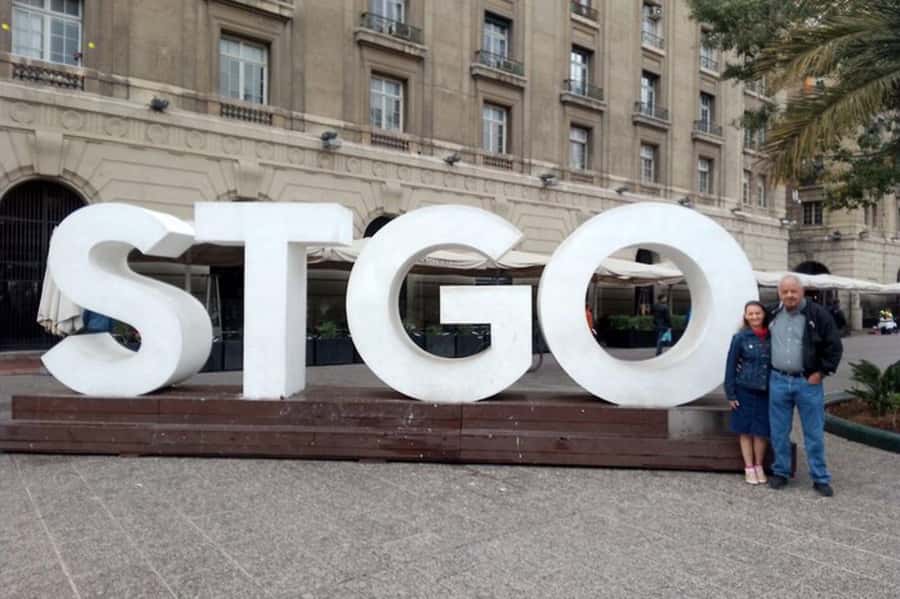
You’ll then move into the Bellas Artes neighborhood, guided toward the area associated with the Belllas Artes Museum. Even if you don’t plan to go deep into museum time, this zone gives you a different Santiago than the courthouse-and-cathedral core.
This is one of the smartest transitions in the whole route. You go from heavy civic history into an arts-and-culture district where street life feels more creative and less formal. It’s also a nice change of pace, especially after the more intense landmark cluster around Plaza de Armas.
On a guided walk, what I like most here is that you’re not stuck just staring at facades. The guide helps you interpret what you’re seeing in the context of how Chile’s capital expresses culture and identity in public space.
Santa Lucía Hills: the panoramic “map moment”

One of the easiest ways to understand Santiago is elevation, and that’s exactly why you climb to Santa Lucía Hills. The payoff is panoramic views that help you connect what you walked through earlier with what you’ll explore later on your own.
Timing matters here. Entrance to Santa Lucía Hills is free from Tuesday to Sunday, which can be a real value boost if your schedule fits. Even when you don’t pay much attention to viewpoints, this one tends to change how you see the city’s layout—suddenly the neighborhoods feel linked instead of separate.
This stop is also a good reminder that a walking tour is partly about comfort. Bring water, pace yourself on the uphill section, and plan to slow down for photos and breathing room.
Lastarria and Forest Park: a calmer stretch before the food finish
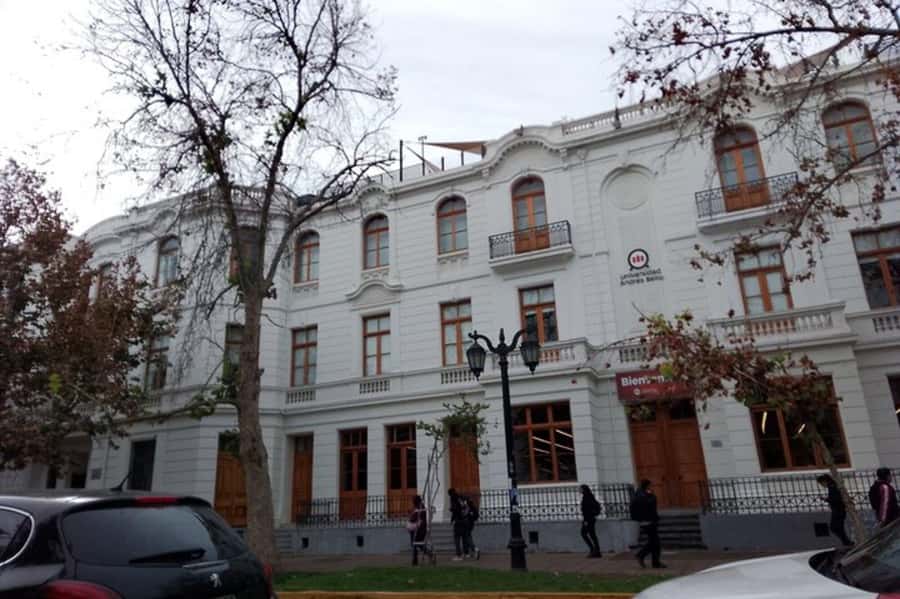
After the viewpoint, the route continues with time in the Lastarria neighborhood and near Forest Park. This portion of the walk is where Santiago feels more like a place you could spend an evening, not just a checklist of sights.
You’ll likely appreciate the shift. The early part of the tour is architecture and institutions; this middle stretch gives you softer streets, a more local feel, and a chance to reset your legs and your brain before the final neighborhood.
If you’re the type who likes to wander without thinking too hard, this is where the guide’s route really pays off. You get a sense of what the area is like, without having to guess where to go.
Bellavista and Patio Bellavista: finish with dinner-ready energy
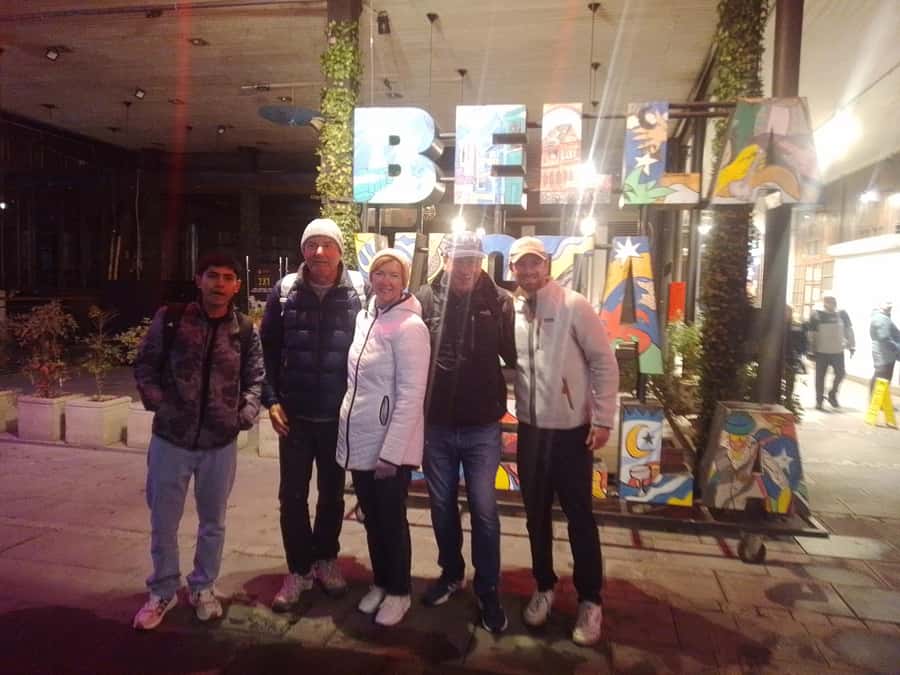
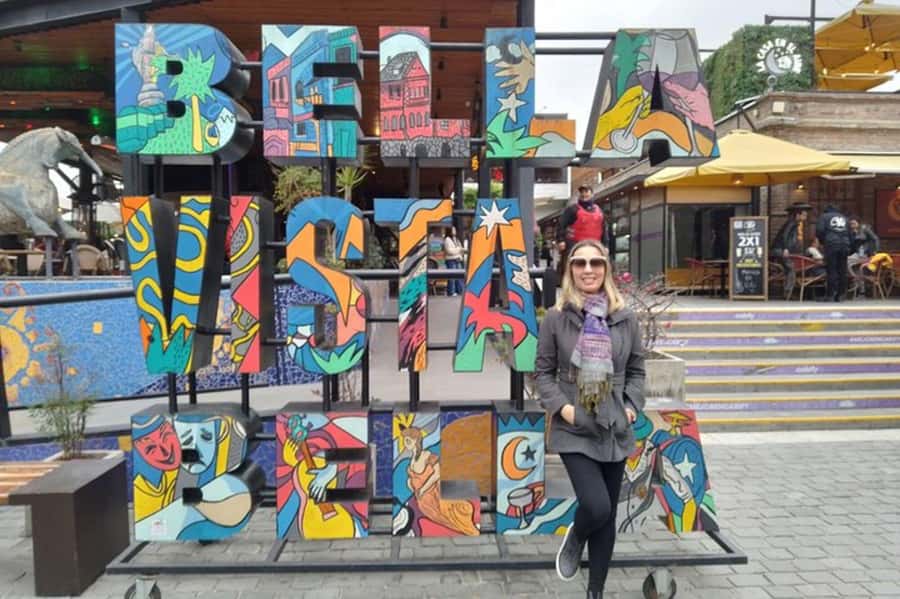
The tour ends in Bellavista, a neighborhood known for its culinary scene and lively evening atmosphere. The key practical win is that the tour conclusion lands you at Patio Bellavista, which is central enough that you can keep going right away.
This is a smart way to end a walking tour. Instead of transporting you away and leaving you to figure out dinner from scratch, you’re dropped into a zone where food options and casual evening plans are right there.
And yes, you’ll want to use this time well. If you’re still hungry, don’t wait. If you’re tired, still do a quick loop around Patio Bellavista to get your bearings. You’ll likely find something that fits your budget and energy level.
What makes Eugenio’s guiding style matter (and not just the route)
The tour is run by Empire Vasquez Tour, with a live guide who speaks Portuguese, English, and Spanish. A small group limit of 10 participants keeps the day feeling personal, so questions don’t get swallowed or ignored.
I also like how the best guides handle pacing. In this case, the tour is built to keep you moving at a manageable speed, with attention to comfort when it’s hot. That matters in Santiago, where walking in strong sun can feel tougher than you expect.
You may also get small “human” touches that make the experience smoother, like help with hydration (bottled water is included) and short stops for coffee or a restroom break along the way. Those little pauses can make the difference between a tour you remember and a tour you merely survived.
Price and value: $25 for a full city orientation
At $25 per person for about 3 hours, you’re paying for more than sightseeing. You’re paying for:
- A live guide to connect buildings to context
- A route that strings together multiple neighborhoods without needing transit
- Bottled water to keep you comfortable during the walk
If you only have a short time in Santiago, this price starts to look like a bargain. You’re essentially buying an informed orientation to the city’s layout: where the historic center is, where the arts district sits, where the viewpoints are, and where dinner streets begin.
If you have more time and enjoy doing things on your own, you might wonder whether a guide is necessary. My take: it’s still a solid use of time because the value is in interpretation and navigation, not just in the list of stops.
Who this tour suits best, and who should skip it
This is a great match if you want an efficient first introduction to Santiago and you’re okay walking. The tour involves enough walking that comfortable shoes are non-negotiable.
It’s also a good choice if you like mixing big landmarks with neighborhood atmosphere. You’ll get the Cathedral of Santiago, the view from Santa Lucía Hills, and then a real sense of everyday life in Bellavista.
On the other hand, it’s not recommended for pregnant travelers and it’s not suitable for people with heart problems or other serious medical conditions, based on the tour’s own guidance. And it’s not set up for very young kids; it lists no suitability for children under 2, 3, 4, and babies under 1.
Practical tips for your day in Santiago
Here’s how to set yourself up for a smoother walk, using what the tour design implies.
- Wear comfortable shoes. You’ll be on your feet for the full 3 hours.
- Plan for good weather. The experience notes that it requires good weather; if it’s canceled due to poor conditions, you’ll be offered another date or a refund.
- Bring water and go at your pace. Bottled water is included, but you can still feel more comfortable if you drink early and often.
- Have your afternoon flexible. Since it ends at Patio Bellavista, it’s easiest if you can follow through with dinner nearby rather than rushing out of the area immediately.
Also, note what you don’t get as part of the tour. Entry to Pablo Neruda’s house and San Cristobal hills is not included. If those are must-dos for you, plan them separately.
Should you book this Santiago Old Town walking tour?
I’d book it if you want a compact route that gives you both landmark photos and a real sense of the city’s structure. The small group size, the multilingual guide, and the finishing point in Bellavista/Patio Bellavista make it especially useful if you’re trying to get oriented quickly.
Skip it if you hate walking for hours, you’ll struggle with heat, or you need medical accommodations the tour can’t support. Also, if you’re only interested in very specific sites like Pablo Neruda’s house or San Cristobal hills, this one won’t cover them for you.
If you’re landing in Santiago with limited time and you want an informed start, this tour is a strong bet.
FAQ
How long is the Santiago guided walking tour of the historical old town?
It lasts 3 hours.
Where does the tour start?
The tour starts at Palacio de la Moneda.
How many people are in the group?
The group is small, limited to 10 participants.
What languages is the live guide available in?
The live guide speaks Portuguese, English, and Spanish.
Which major sights are included on the walk?
You’ll visit the Cathedral of Santiago (dating back to 1748), the Bellas Artes neighborhood (including the Bellas Artes Museum area), and you’ll head up to Santa Lucía Hills for panoramic views.
Is Santa Lucía Hills entrance free?
The tour notes free entrance from Tuesday to Sunday.
What isn’t included in the tour price?
It does not include lunch, and it does not include entry to Pablo Neruda’s house or San Cristobal hills.