REVIEW · DAM SQUARE
Amsterdam: Historical Highlights Walking Tour with Tasting
Book on GetYourGuide →Operated by 360 Amsterdam · Bookable on GetYourGuide
Amsterdam reveals itself fast on foot. Starting at Dam Square, this 2-hour guided walk turns big-name sights into a clear story about canals, commerce, and daily life in old Amsterdam. Guides like Mike, Edwin, and Sebastian come through with the same goal: help you make sense of the city fast, in your chosen language.
I especially like that the route centers on the UNESCO Canal District and the landmarks you’ll keep seeing on photos, but with context that makes them click. I also like the finish with a local Dutch food tasting, so the tour doesn’t end the moment you step away from the street.
One consideration: the “tasting” part is often described as a light stop, and a few people said the amount didn’t match the title expectations. Also, beverages aren’t included, so you may want water before you go.
In This Review
- Key Highlights That Make This Tour Worth Your Time
- Dam Square to the Canals: The Smart 2-Hour Route That Gets You Oriented
- Royal Palace and the New Church: Seeing Power and Belief in One Stretch
- UNESCO Canal District: How the City’s Trade Network Shows Up in Real Life
- Bridges, Locks, and Squares: The Little Details That Make Amsterdam Feel Real
- Begijnhof and the Mint Tower: Quiet Corners with Big Meaning
- The Flower Market and the LGBT Street: Past Meets Everyday Amsterdam
- Amstel River: The View That Ties the Whole Story Together
- Dutch Food Tasting: What You’ll Likely Get at the End
- Group Experience and Pacing: Why the Guide Matters Here
- Price and Value: Is $34 a Fair Deal for Two Hours?
- What to Bring (and Why It Matters in Amsterdam)
- Languages and Private Group Options: Match the Tour to Your Comfort
- Who This Tour Is Best For
- Should You Book This Amsterdam Historical Highlights Walking Tour?
- FAQ
- How long is the Amsterdam Historical Highlights Walking Tour with Tasting?
- Where does the tour start?
- What’s included in the tour price?
- Are drinks included?
- Does the tour run in rain?
- What languages are available for the live guide?
- What should I bring?
- Is there a private group option?
Key Highlights That Make This Tour Worth Your Time
- Dam Square first, context fast: You start at the city’s most recognizable square and immediately learn how Amsterdam grew around trade and waterways.
- Golden Age stories tied to landmarks: Royal Palace, the New Church, canals, bridges, and locks all get explained in plain language.
- Golden Canal views without a long day: In just 2 hours, you get the major canal-area highlights and key architectural moments.
- Stop-by-stop pacing works for most people: Many guides keep it slow and steady, so you’re not sprinting between photo spots.
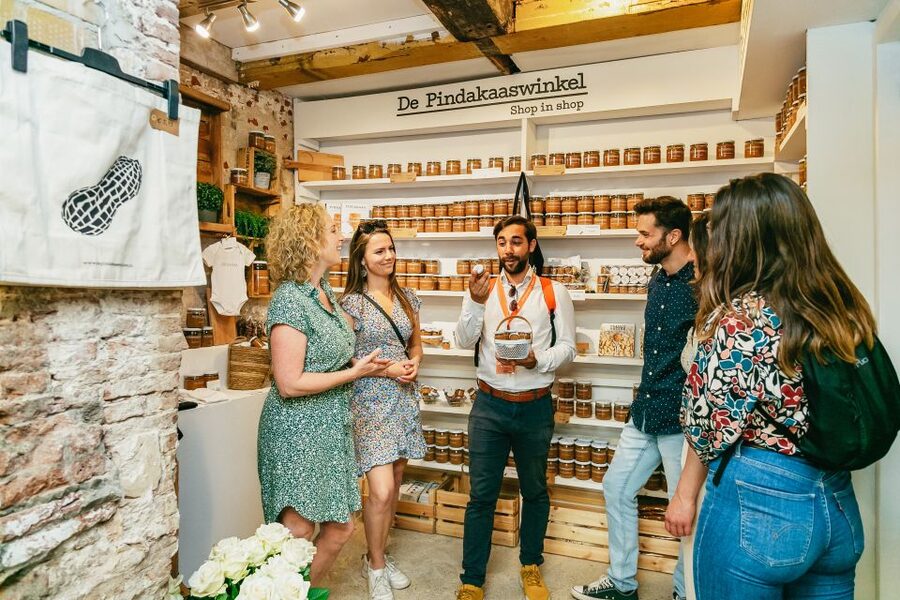
- Food tasting adds a Dutch touch at the end: You’ll sample local treats before you head back on your own.
- Multiple languages available: Options include German, Italian, French, English, Dutch, Spanish, and Portuguese.
Dam Square to the Canals: The Smart 2-Hour Route That Gets You Oriented
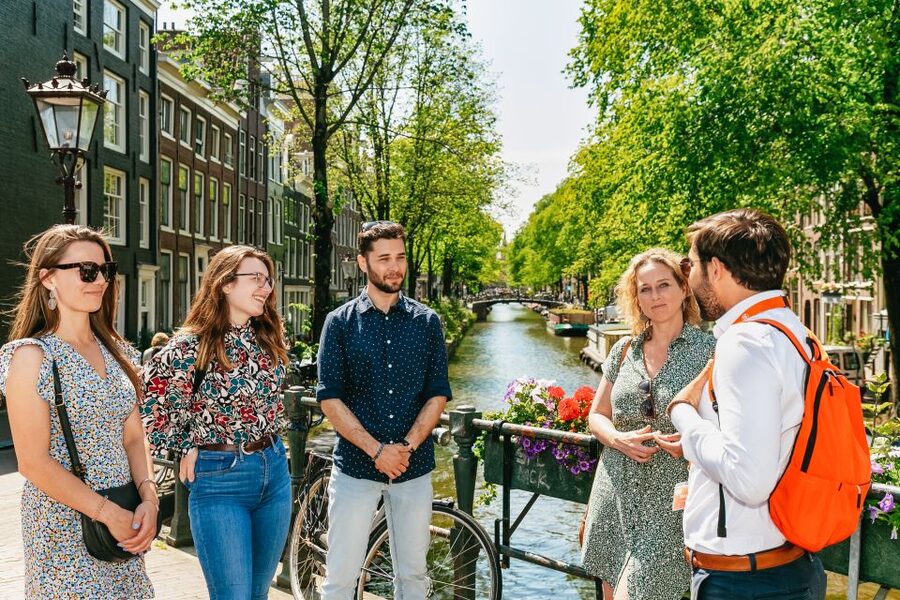
This tour is built for the moment you land in Amsterdam and feel a bit overwhelmed by the sheer amount of historic stuff. You start at Dam Square, then move through the core streets that define the city’s old center and canal life.
In two hours, you cover a lot of ground without making the day feel like work. That matters because Amsterdam is easiest when you’re walking with a plan and a story, not just following a map and hoping the facts stick.
Royal Palace and the New Church: Seeing Power and Belief in One Stretch
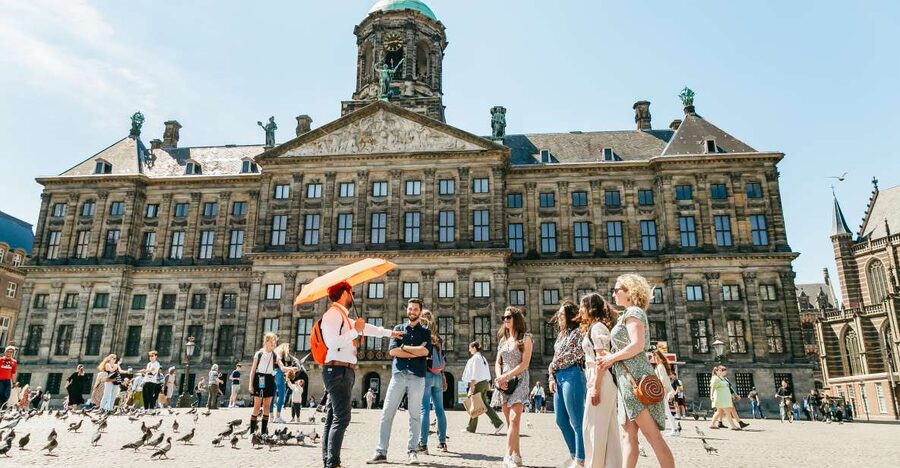
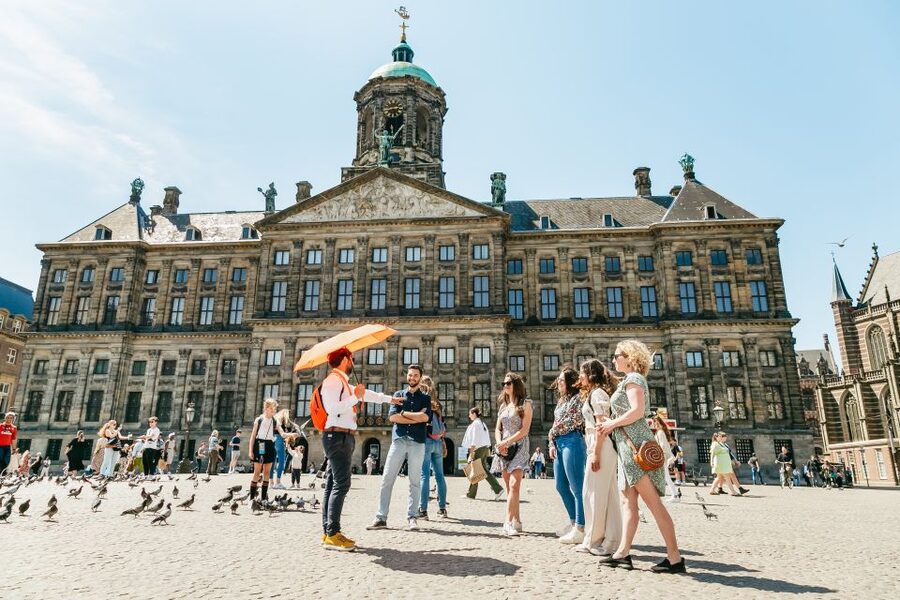
A big early win is how the route brings you to major institutions quickly. The walk includes the Royal Palace, which helps you understand the shift from trade-driven wealth to the political and royal image Amsterdam projected.
You’ll also pass the New Church, a landmark that ties into how this city mixed religion, ceremony, and civic identity. Even if you don’t stop to go inside (the tour is primarily a walking experience), you still learn what to look for and why the building matters.
Practical note: the city center has lots of photo-friendly angles, but it also has narrow streets and crowds. If you’re sensitive to tight spaces, wear comfortable shoes and keep your pace steady—your guide’s job is to control the group rhythm.
UNESCO Canal District: How the City’s Trade Network Shows Up in Real Life
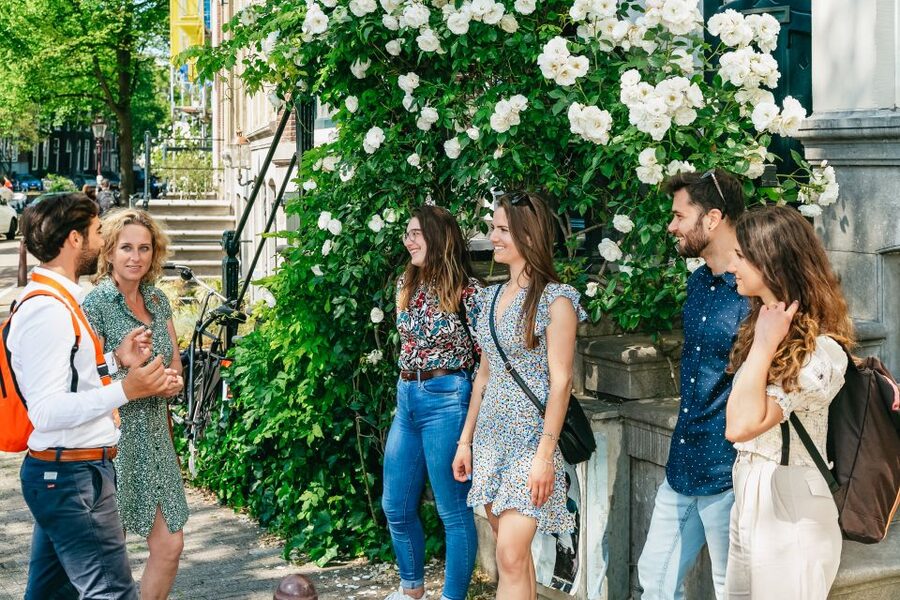
The tour’s heart is the UNESCO Canal District theme. You don’t just hear that canals were important—you get the “how” behind the waterway system and why it shaped daily life and business.
As you stroll, you’ll see key canal sections, bridges, and locks that explain how movement of people and goods worked. Amsterdam’s canals aren’t background scenery here; they’re the main character.
This is also where you’ll start recognizing the patterns. You’ll learn how wealth and city planning showed up in architecture and street layout, which makes later wandering through the neighborhood feel easier.
Bridges, Locks, and Squares: The Little Details That Make Amsterdam Feel Real
One reason I like this tour format is that it trains your eyes. When a guide points out why a canal bend matters or how a bridge fits into the water route, the city stops looking like postcards and starts looking like a system.
Along the way, you pass iconic squares and street corners that are famous by name. But you’ll also understand how those spaces functioned when commerce drove the city.
This section is particularly good if you like facts but also want a human voice. The guides you’ll meet—like Xavier, who was described as interesting and funny, or Alfred, who used stand-up comedian style—tend to keep the tone light while staying factual.
Begijnhof and the Mint Tower: Quiet Corners with Big Meaning
Not every Amsterdam highlight is loud and obvious. The route includes Begijnhof, a place that helps you grasp the city’s social history—how communities lived, worshipped, and survived through changing eras.
You’ll also pass the Mint Tower, which connects the dots between commerce, wealth, and the practical work needed to support trade. It’s a reminder that Amsterdam wasn’t only art and architecture; it was also industry, money, and logistics.
If you’re the type who likes seeing a mix—grand buildings and quieter spaces—this stop is a strong balance. The walking pace also gives you time to look without rushing.
The Flower Market and the LGBT Street: Past Meets Everyday Amsterdam
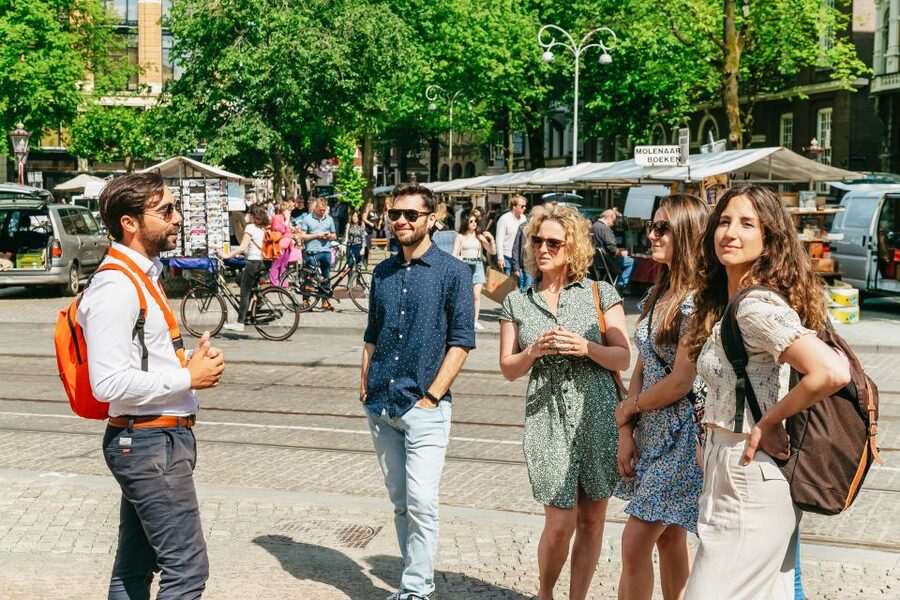
Near the Flower Market, the tour shifts tone in a good way. You get a classic Amsterdam sight, but also a sense of how the city keeps reinventing itself around tourism, locals, and seasonal life.
You’ll also walk by the LGBT street area. Even without stopping for long, it’s part of the city’s modern layer, so the “Golden Age” stories don’t feel sealed in time.
This blend is useful when you’re on a short visit. You get history, then you get a quick pulse-check that Amsterdam is still changing—just with different priorities than centuries ago.
Amstel River: The View That Ties the Whole Story Together
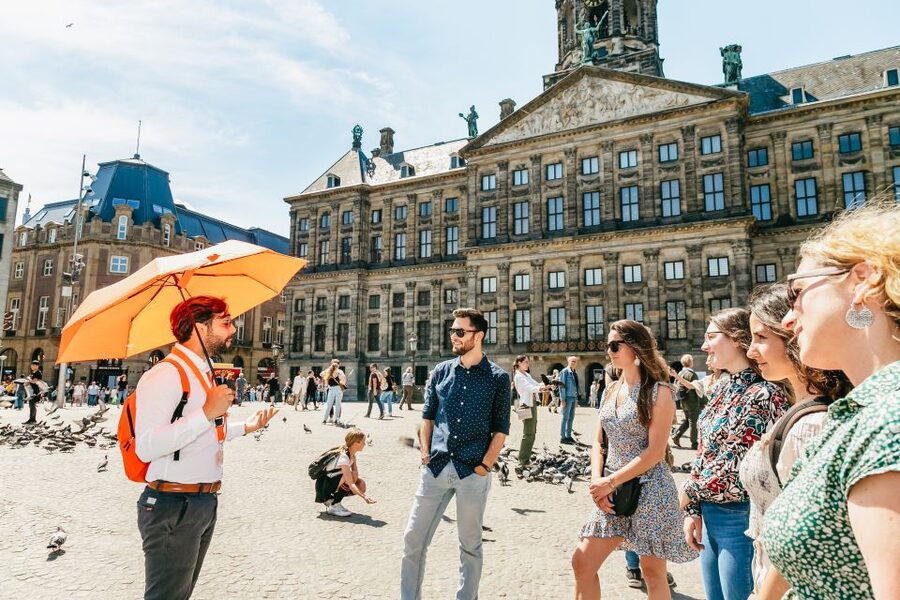
The walk ends with the Amstel River area in the mix. That’s the smart closing move, because rivers and water management are the through-line behind the canals you saw earlier.
If you’ve been trying to picture how the city worked, this is where it clicks. The river isn’t just scenery; it’s part of the same movement and trade system.
And since you’re only on the tour for 2 hours, you’ll still have energy to continue on your own afterward. That’s key for a city like Amsterdam, where your best moments often happen after the guide steps away.
Dutch Food Tasting: What You’ll Likely Get at the End
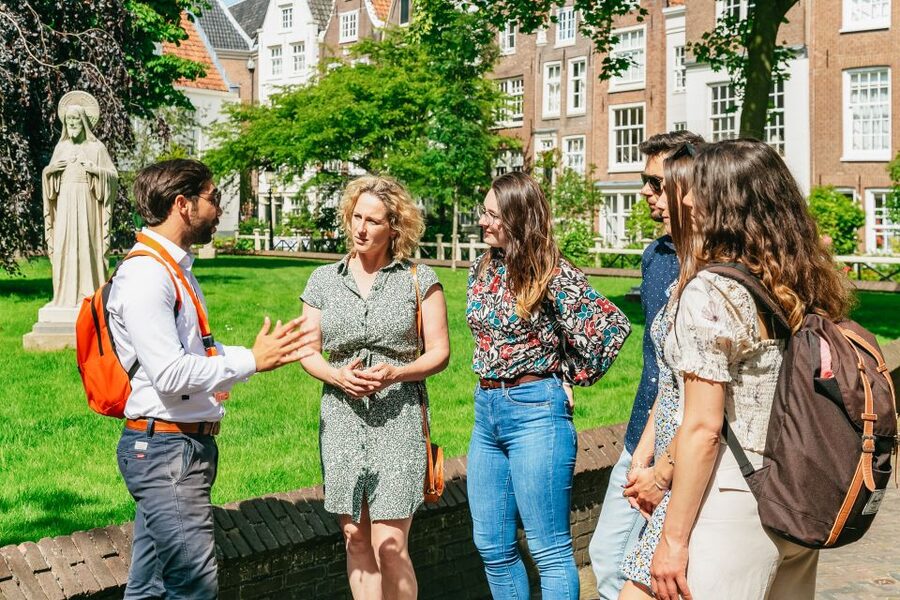
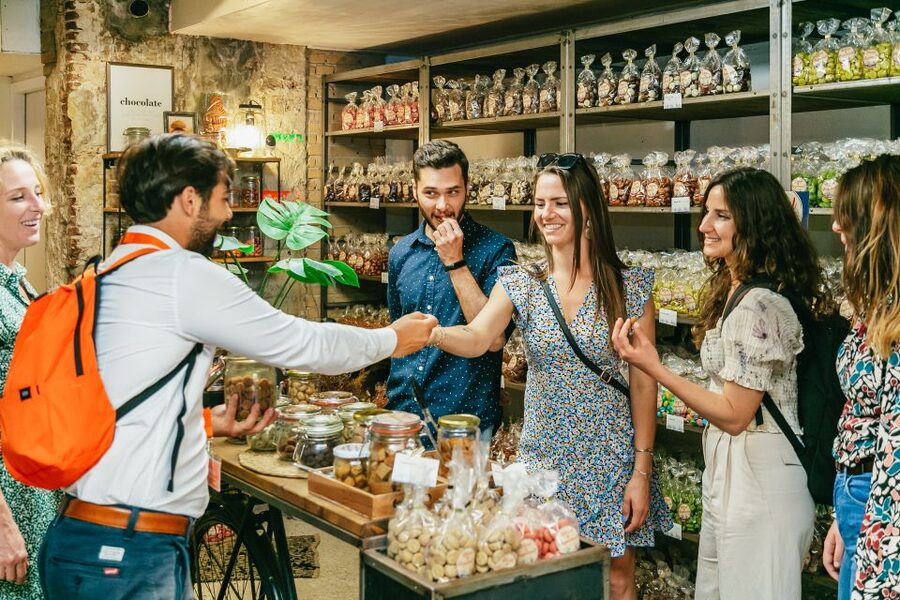
The tour includes a local Dutch food tasting at the end. In practice, that usually means small samples designed to complement the walk—not a full meal.
This is where you’ll want to manage expectations. Some people said there wasn’t much of a tasting, or that the title suggested more than they experienced. If you care a lot about food, I’d consider bringing a snack just in case you want something extra after.
Also remember: beverages aren’t included. You’ll feel better during the walk if you start with water, especially on warm days or if you’re sensitive to long stretches.
Group Experience and Pacing: Why the Guide Matters Here
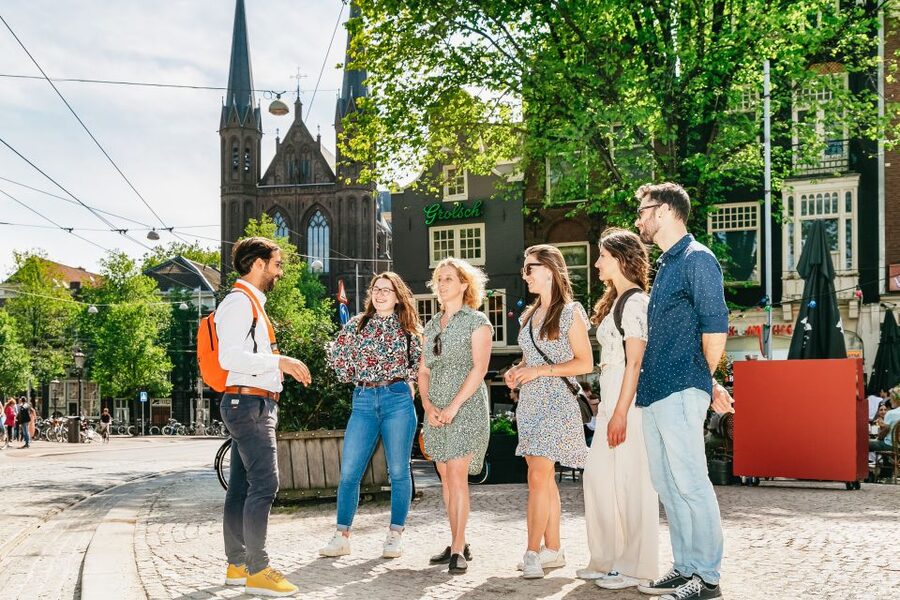
This tour feels like a guide-forward experience. Many participants highlighted how engaging guides were, and how the pace stayed relaxed.
You may meet guides like Mike (described as engaging and friendly), Edwin (who helped the group get back to the city center), or Sebastian (slow and steady, very informative). A standout pattern: guides tend to make the walking feel manageable instead of chaotic.
Group size can also matter. A few people mentioned they had small groups, which can be a plus in tight historic areas. If you prefer a quieter experience where you can hear the story without straining, check private group availability too.
Price and Value: Is $34 a Fair Deal for Two Hours?
At $34 per person, this is positioned as a mid-budget historical walking tour. For the money, you’re getting two core things: a guided explanation of multiple major sights and a food tasting included at the end.
If you were to do this yourself, you’d still pay for snacks and likely spend time figuring out the story behind the buildings. Paying for a guide helps you connect the landmarks—Dam Square, the Royal Palace, major canal points, and the Flower Market—into one coherent timeline.
The main value question isn’t the history. It’s whether the food tasting matches what you personally expect. If you want a big meal, this probably won’t be it. If you want small Dutch tastes plus context for what you’re seeing, the price feels more reasonable.
What to Bring (and Why It Matters in Amsterdam)
Your checklist is simple: comfortable shoes. The tour is a walking route through uneven historic streets and canal-area sidewalks.
Also plan for weather. The tour operates rain or shine, so bring a light rain layer or umbrella you can manage in crowds.
If you’re the type who likes to take photos often, wear shoes you can walk in for an extended stretch and keep your bag light. Amsterdam’s center rewards freedom of movement.
Languages and Private Group Options: Match the Tour to Your Comfort
This tour is available in German, Italian, French, English, Dutch, Spanish, and Portuguese. That’s a big deal in Amsterdam because many city details come alive when you understand the nuance of the language.
If you want a quieter, more tailored experience, private group available is worth considering. It’s especially useful if you have mobility needs that make crowds harder, or if you want your guide to slow down for specific interests.
Who This Tour Is Best For
You’ll likely enjoy this if you want a short, structured way to learn Amsterdam’s old center. It fits well for first-timers who feel lost in the canal map maze, and for repeat visitors who want a clearer explanation of what they’re seeing.
It’s also a great option if you like history but don’t want a museum-heavy day. You get major landmarks outside plus stories you can carry into your next walk.
Should You Book This Amsterdam Historical Highlights Walking Tour?
Book it if you want an easy entry point into Amsterdam’s canal-area history in two hours, with a guide who can keep the pace comfortable and the explanations clear. The mix of Dam Square, the UNESCO Canal District, the Royal Palace, the New Church, and the Flower Market is well matched to a short visit.
Consider skipping or tailoring your expectations if food is your main reason for choosing a tasting tour. In that case, think of the tasting as a small bonus, and plan to grab a drink or extra snack separately since beverages aren’t included.
FAQ
How long is the Amsterdam Historical Highlights Walking Tour with Tasting?
The tour lasts 2 hours.
Where does the tour start?
The meeting point is Dam Square, but the exact meeting point location may vary depending on the option booked.
What’s included in the tour price?
The price includes a guided walking tour and a food tasting.
Are drinks included?
No. Beverages aren’t included.
Does the tour run in rain?
Yes. The tour operates rain or shine.
What languages are available for the live guide?
Live tour guides are available in German, Italian, French, English, Dutch, Spanish, and Portuguese.
What should I bring?
Bring comfortable shoes. You may also want a rain layer since it runs in all weather.
Is there a private group option?
Yes. Private group available is listed as an option.