REVIEW · HONG KONG
Hong Kong: Dark Side of Hong Kong Caged Homes Walking Tour
Book on GetYourGuide →Operated by Hong Kong Free Tours · Bookable on GetYourGuide
Hong Kong’s rent has a shadow side. This tour strips away the neon and skyline gloss and replaces it with the real mechanics of extreme housing costs. You’ll follow a local guide through Sham Shui Po and beyond, learning how policy and land scarcity turn into day-to-day survival.
I love the way the tour links land policy to Hong Kong’s housing math, not just headlines. I also love the firsthand scale shock of seeing a 10 sq meter living setup that combines kitchen, bed, toilet, and living space into one cramped reality.
The main drawback is that this is heavy. You’re looking at poverty up close, walking through older streets and staircases, and if you prefer sightseeing only, this one may feel too intense.
In This Review
- Key points that make this tour hit hard
- Why this tour feels different from the usual Hong Kong walk
- Prince Edward MTR Exit D: start with the right framing
- From land scarcity to rent pricing: the “numbers-to-real-life” moment
- Mong Kok streets: the contrast you can actually see
- Sham Shui Po: subdivided flats, caged homes, and rooftop slums
- The subdivided-flat stop: 10 sq meters is not a metaphor
- Cage homes: the system’s smallest form
- Rooftop slums: where the city hides the city
- SoCo at the end: a 50-year charity visit that turns feelings into direction
- Price and time: why $31 for 2 hours can feel like real value
- Practical tips so you get more from the walk (and stay respectful)
- Who should book this Dark Side tour
- Should you book? My straight answer
Key points that make this tour hit hard
- Land policy made simple: you’ll connect rent prices to how land is controlled and rationed
- A 10 sq meter unit on the schedule: kitchen, bed, toilet, and daily life in one box
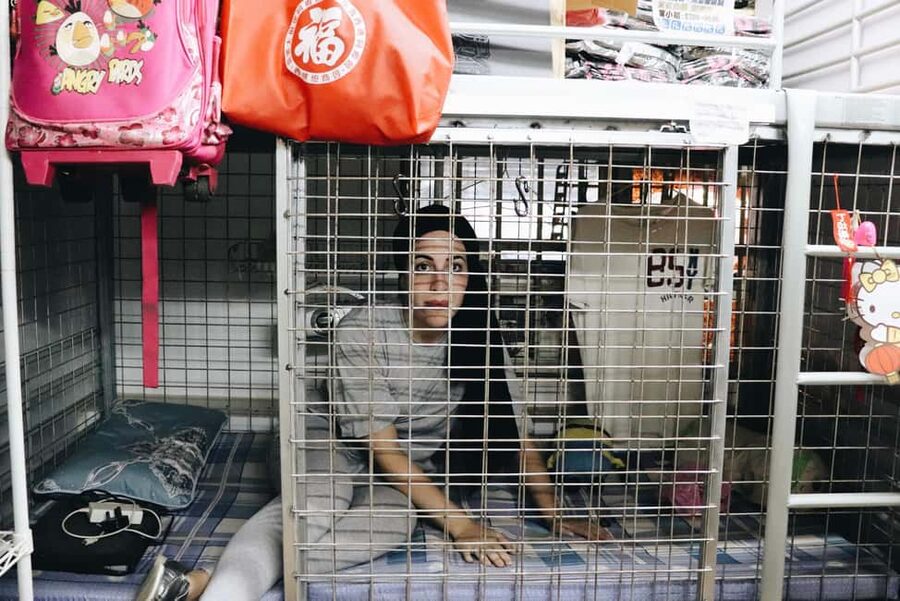
- Cage homes, explained with context: metal enclosures for single residents on minimum wage
- Rooftop slums above the skyline: a contrast view that’s hard to forget
- SoCo visit with real stakes: a charity advocating for marginalized residents for over 50 years
- Guides bring personal framing: stories about the housing market’s paradox, told with respect
Why this tour feels different from the usual Hong Kong walk
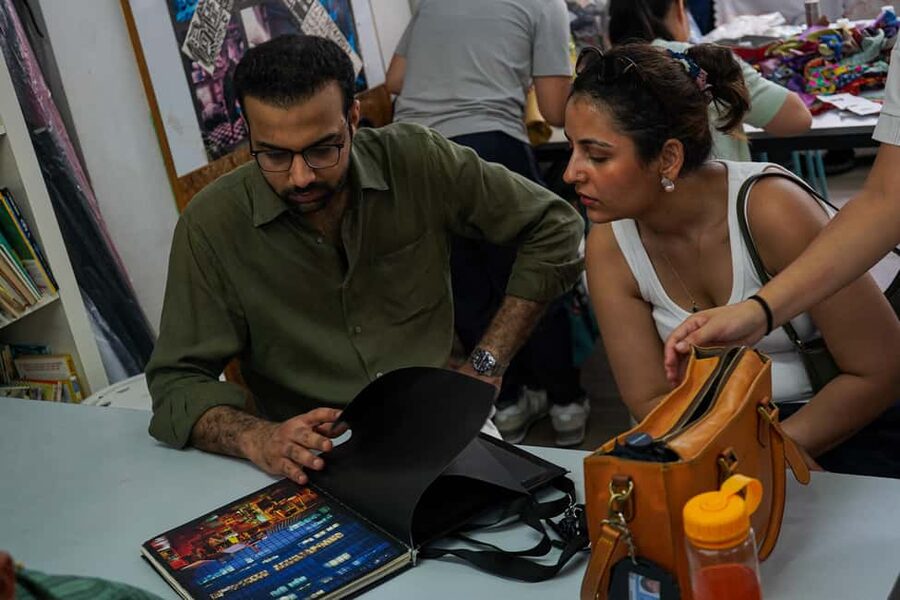
Hong Kong can look like pure success from street level—glass towers, fast trains, and LED-bright shopping streets. But this experience reminds you that a city can be both world-class and brutally unequal at the same time.
What makes the tour compelling is the balance between facts and human scale. You’re not just told that housing is expensive; you’re shown how apartments get subdivided, how minimum-wage rooms function, and why the system keeps reproducing itself. It’s the kind of tour where you start noticing details like building layouts, ventilation, and who gets space—then you realize those details are the policy story made physical.
And it’s taught with care. Based on what guides are known for on this route, the tone aims for dignity over shock. That matters, because the subject is painful enough without turning people into props.
Prince Edward MTR Exit D: start with the right framing
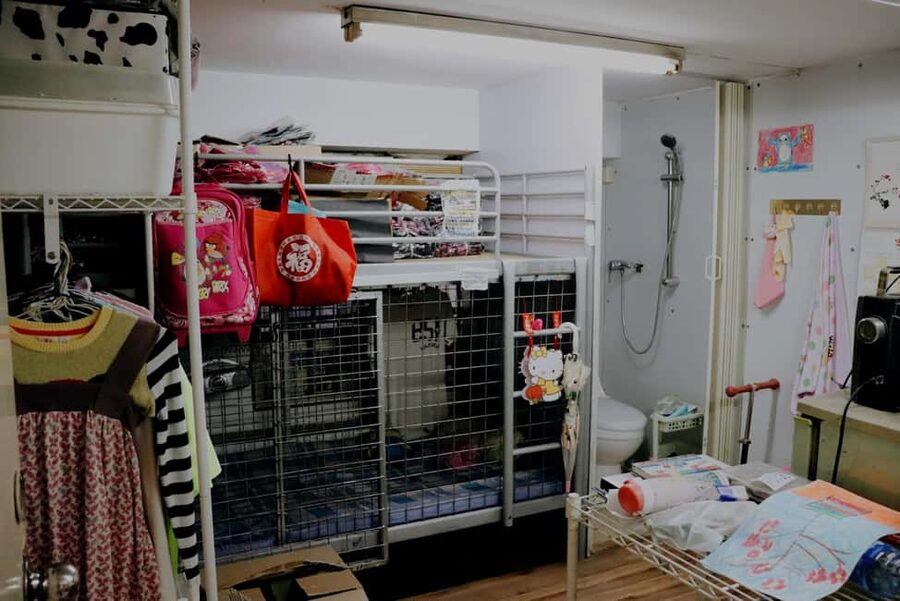
The walk begins near Prince Edward MTR Station, Exit D—inside the station. This is a practical start point: you can arrive by rail without hunting for street corners, and you can get oriented before stepping into older neighborhood blocks.
One of the best parts of the beginning is that you’re not thrown into tiny spaces right away. You start with explanation—often guided by a local real estate angle—so you have a mental model for what you’ll later see. You’ll hear why Hong Kong is ranked the world’s least affordable city, and you’ll connect that headline to land scarcity and population pressure.
This early framing changes everything. Later, when you see subdivided units or cage homes, it won’t feel random or like you’re watching poverty as a side show. It’ll feel like the end result of a system.
From land scarcity to rent pricing: the “numbers-to-real-life” moment
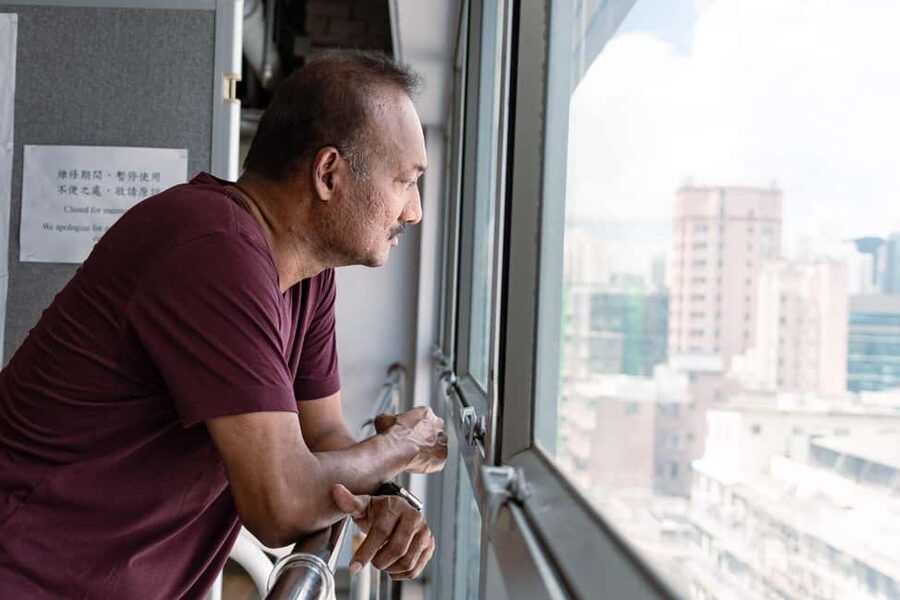
After you get your bearings, the tour leans hard into the logic behind the housing crisis. You’ll learn how Hong Kong’s land policy connects directly to extreme prices, and how capitalism plus limited land availability can drive affordability into a corner.
A key detail you’ll hear is the subdividing of space at the apartment level. The tour example often references a typical 500 sq ft apartment being divided into five tiny units. The point isn’t to make you memorize measurements—it’s to teach you how “small” is created on purpose, then normalized.
Then you get a specific scale jump. You’ll step into a subdivided flat example around 100 sq ft, where one family lives, cooks, and sleeps in a single cramped area. That’s when the math stops being theory. You start thinking about daily routines: where a bag goes, how privacy works (or doesn’t), and what “home” means when it’s also the only kitchen and bathroom zone.
I like this structure because it respects your brain. You’ll understand the issue first, then you’ll see the physical reality. That order tends to make the experience feel clearer, not just depressing.
Mong Kok streets: the contrast you can actually see
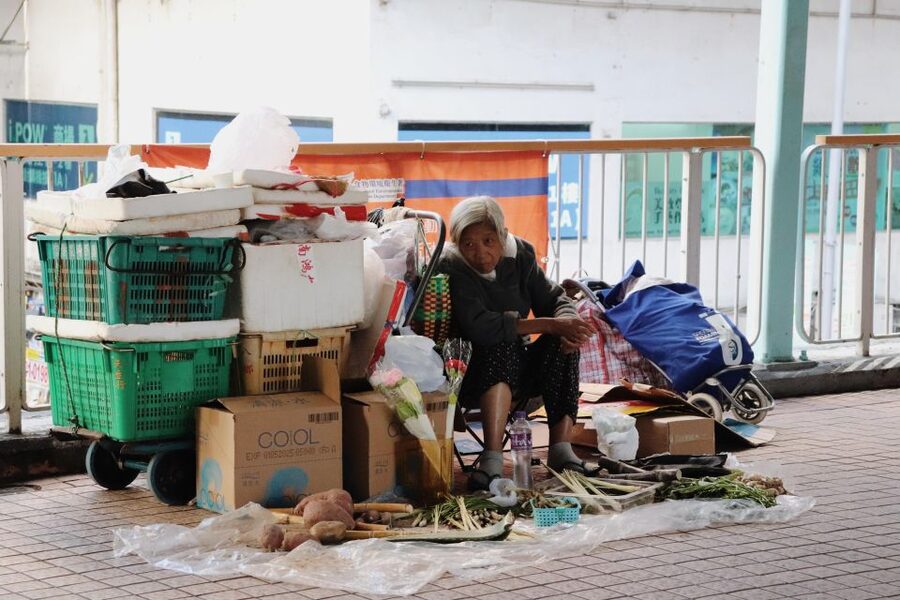
You’ll spend time in Mong Kok during the walk—short, but meaningful. This part works like a bridge between Hong Kong’s tourist image and the dense, older neighborhood fabric where the housing crisis becomes visible fast.
In Mong Kok, the contrast shows up in surfaces and proximity. Luxury apartments and high-end city life sit close enough that you can’t pretend the two worlds are far apart. You start noticing how different buildings handle light, stair access, and crowding.
This is also where the guide’s personal framing tends to matter. Many guides on this tour bring a lived-in story about the housing market’s paradox—how Hong Kong can be economically impressive while affordability collapses for people who can’t ride the wealth wave. When the guide connects those dots, Mong Kok stops being just another busy district and becomes a map you can read.
Sham Shui Po: subdivided flats, caged homes, and rooftop slums
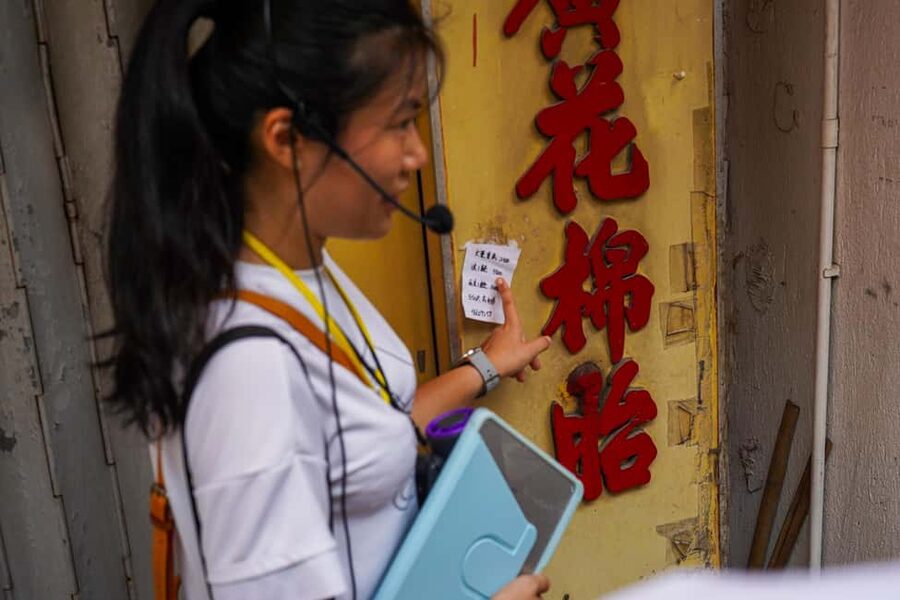
Sham Shui Po is the heart of the tour. It’s also where the emotional weight becomes unavoidable—in a good way, as long as you’re ready for it.
The subdivided-flat stop: 10 sq meters is not a metaphor
One of the tour highlights is a visit to a unit around 10 sq meters that combines kitchen, bed, toilet, and living space. That’s the scale shock moment. You’re not just seeing a tiny room. You’re seeing a layout that has to compress every function of daily life into a few steps of space.
If you’re the type who needs to understand before you feel, you’ll appreciate how the guide explains what changes when everything becomes shared or squeezed. Even small things—like where you might store items, how you move, and what happens when multiple people need to do routine tasks at once—become part of the lesson.
Cage homes: the system’s smallest form
Next, you’ll hear about caged homes. These are metal enclosures that function as entire living quarters for single residents on minimum wage. The tour doesn’t treat this as a novelty. It presents it as a human outcome of affordability failures.
What I’d tell you to focus on here is the difference between “small” and “structured deprivation.” A tiny apartment might still offer privacy and normal living circulation. A cage home is designed around minimum space for people who can’t compete in the regular housing market. The guide’s job is to help you see that distinction.
Rooftop slums: where the city hides the city
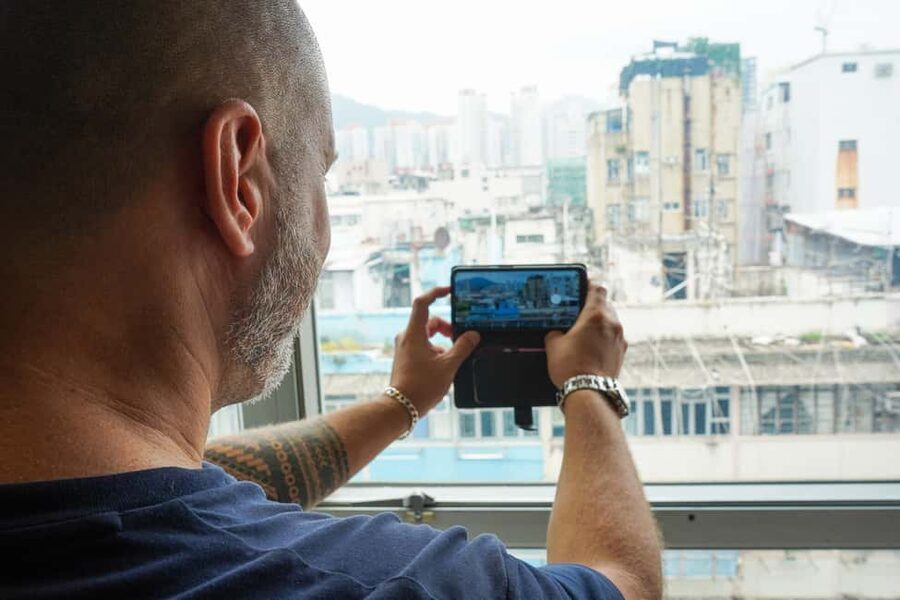
After walking backstreets, you’ll ascend to a rooftop slum for a rare view of Hong Kong’s most hidden dwellings. This is one of those moments where your brain gets whiplash: you’ll look up and realize the city’s modern skyline has a second layer you’ve likely never considered.
For me, the value here is perspective. The rooftop view teaches you that housing isn’t only about square feet. It’s about where space is allowed to exist—and who gets pushed into the least visible places.
Also: this section is physically active. You’ll be dealing with older buildings, staircases, and uneven street conditions. Comfortable walking shoes matter. If your legs are not great, this may be too demanding.
SoCo at the end: a 50-year charity visit that turns feelings into direction
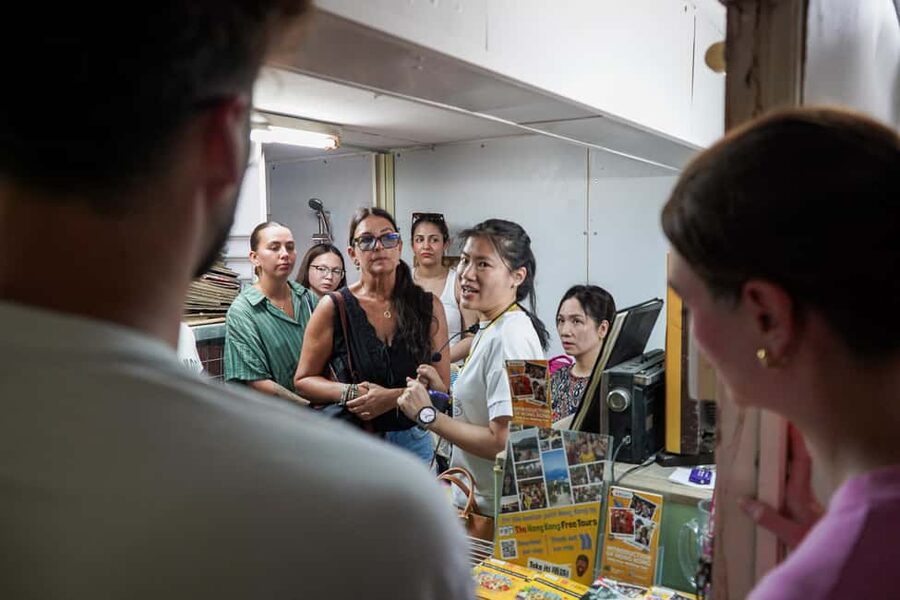
The tour finishes near the 北河街街市及熟食中心 area (and close to Sham Shui Po MTR). Before you reach that ending zone, you visit SoCo, a charity that has advocated for marginalized residents for over 50 years.
This stop matters because it prevents the experience from becoming only a “look at suffering” story. You’ll discuss the challenges—and possible solutions—for Hong Kong’s future. The guide’s goal is usually to connect what you saw to what people are doing about it on the ground.
That’s also where respectful conversation helps. The best part of this kind of tour is not repeating what you saw. It’s asking better questions about what comes next: housing policy, social support, and what rights and dignity mean when you live with limited options.
Price and time: why $31 for 2 hours can feel like real value

At $31 per person for about 2 hours, this is priced low enough to be accessible, but the content is heavy. That’s the core value: you get a concentrated, guided walk with scale comparisons, real housing examples, and a charity meeting point. This isn’t a photo tour. It’s an education tour with moral weight.
If you spend a day hopping between viewpoints, you might leave knowing what Hong Kong looks like. Here, you’ll leave knowing why it looks that way for some and not for others. You also get a professional local guide, and that’s often what makes this topic understandable instead of abstract.
You should know what’s not included: no food and no beverages. That’s normal for a 2-hour neighborhood walk, but it does mean you may want a plan for a later snack around the end point.
Practical tips so you get more from the walk (and stay respectful)
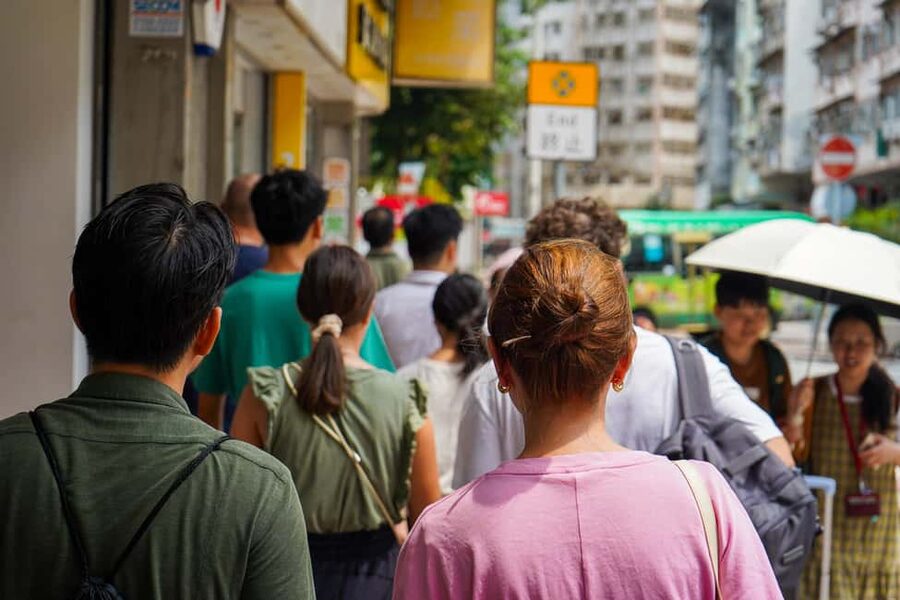
This experience isn’t just information. It’s also a neighborhood walk through busy streets, staircases, and older buildings. Comfortable shoes are not optional if you want to enjoy the story instead of surviving the stairs.
A few ways to make the whole thing better:
- Ask questions when the guide offers the background. The tour’s goal is to connect the policy story to what you’re seeing.
- Keep your camera use mindful, especially around people and homes. You’re learning, not collecting.
- If you want to support SoCo or buy books at the end zone, you might find it easier to have some cash, since you may not be close to a full range of payment options.
Also, bring a heads-up mindset. The tour visits some of Hong Kong’s poorest neighborhoods specifically to share authentic realities. If your goal is only bright and easy, this one may not match your mood.
Who should book this Dark Side tour
Book it if you want:
- A grounded look at Hong Kong’s housing crisis through policy logic plus real scale examples
- A guide who frames the topic sensitively and treats people with dignity
- A walk that mixes explanation, short transitions, and a charity stop with practical aims
You might skip it if you:
- Want light sightseeing only
- Dislike heavy social topics
- Struggle with stairs or long walking segments in older areas
And yes, it helps if you like learning with your eyes open. This is the kind of experience where you look up at the city and realize there’s a second reality above street level.
Should you book? My straight answer
I think this is worth booking if you’re in Hong Kong for more than a quick highlight run. For $31 and 2 hours, you get a local guide, hard-to-find housing context, and a meaningful end stop with SoCo. It’s not entertainment. It’s understanding.
If you come ready for a serious, respectful walk and you can handle the physical side of neighborhood streets and staircases, this tour will likely change how you read the city. If you want only glossy Hong Kong, you’ll probably feel like this is too much.