REVIEW · NASHVILLE
Downtown Nashville Guided Sightseeing Walking Tour
Book on Viator →Operated by Really Entertaining Tours · Bookable on Viator
Downtown Nashville has a sound track of stories. This guided walk strings together the city’s famous honky-tonks and landmark moments with a fully narrated storytelling style led by a local guide. You’ll hear why certain streets became stages, and how the people in the background helped shape the music that put Nashville on the map.
What I like most is the range. You’re not stuck in one theme. You move from the big-ticket names like the Ryman Auditorium and Tootsie’s Orchid Lounge to the more mischievous side of downtown near places like Printer’s Alley and Skull’s Rainbow Room, where music legends and weird characters overlap. It’s a fast way to get your bearings and understand what you’re looking at.
One consideration: the tour packs a lot into about two hours, so you’ll be walking and stopping at many points. And since it runs with a good-weather expectation, plan on layers for shade and cool mornings, especially if you’re out early.
In This Review
- Key things that make this tour worth your time
- Where the tour really starts: 5th and Broadway honky-tonk energy
- Tip for the first 15 minutes
- Ryman Auditorium: the heart of country music (and the mood around it)
- Small drawback to expect
- Tootsie’s Orchid Lounge and Ernest Tubb Record Shop: the singer’s pipeline
- Sweet little story stop: the candy-bar detail that sticks
- George Jones and the tough-to-forget legends
- Fort Nashborough and river trade views: old Nashville under the neon
- Nashville Public Square and Andrew Jackson’s duels
- Printer’s Alley and Skull’s Rainbow Room: the fun and the edge
- What to expect in the streetscape
- Woolworth on Fifth and the civil rights story you can’t ignore
- Cherry Street and Chet Atkins: paying respect to the Nashville sound
- Tennessee State Capitol and Downtown Presbyterian Church
- Two hours for $25: why the value works (if you match the style)
- Family friendly, but still a real city walk
- What it feels like in practice: hearing the guide and keeping the pace
- Should you book this Nashville walking tour?
- FAQ
- How long is the Downtown Nashville walking tour?
- How much does the tour cost?
- Where do I meet, and when does it start?
- Is a guide provided, and is the tour narrated?
- Do I get a mobile ticket?
- What if the weather is poor?
Key things that make this tour worth your time
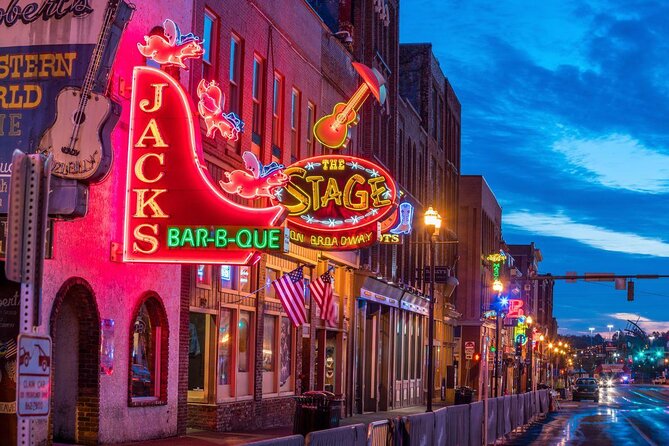
- A honky-tonk storyline, not just a sightseeing list that connects the dots between bars, musicians, and Nashville’s changing eras
- Icon stops you can point at right away, like Ryman Auditorium and Tootsie’s Orchid Lounge
- Stops that show the gritty side of music history, including Printer’s Alley and Skull’s Rainbow Room
- Old Nashville roots built into the route, from Cherokee presence and Fort Nashborough to river trade sites
- Clear audio for a noisy downtown, with a guide setup that helps you hear without fighting the street
- A tour that works for first-time visitors and families, as long as you’re good with an active 2-hour walk
Where the tour really starts: 5th and Broadway honky-tonk energy
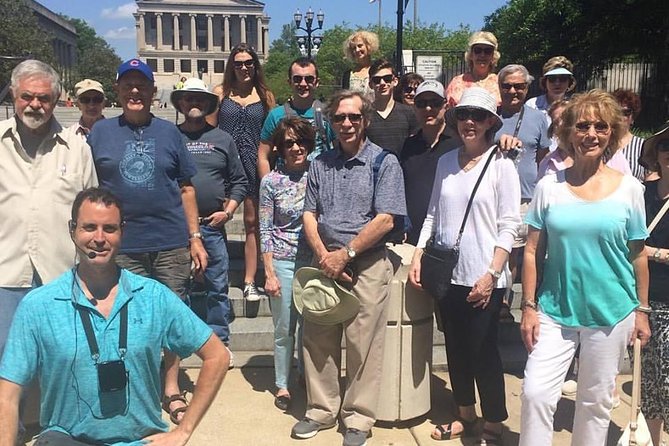
Your morning (or late start, depending on your booking) begins at 501 Broadway in the center of it all. This is where Nashville’s nightlife reputation started to take shape, and the guide wastes no time setting the tone: you’re walking through the honky-tonk universe with a story in every direction. If you’ve only seen Nashville from a distance, this first stretch helps you understand the geography fast.
You’ll start with the idea that downtown isn’t just entertainment. It’s also an ecosystem. The bars weren’t random. They clustered where people wanted to gather, work, drink, listen, argue, and make deals. On this tour, you’ll see that the honky-tonk culture is tied to real locations, real street corners, and real music pathways.
You can also read our reviews of more walking tours in Nashville



Tip for the first 15 minutes
Arrive early enough to stand where the group meets and settle in before the walk starts. Once you’re moving, the tour keeps a steady rhythm.
Ryman Auditorium: the heart of country music (and the mood around it)
Ryman Auditorium is one of those places where the building matters and the vibe around it matters too. The tour frames it as the reason people call Nashville Music City, often described as the Mother Church of Country Music. You’ll get context for why so many performers orbit this space and why fans still treat it like a landmark with a pulse.
The best part here is how the guide connects the auditorium to what’s nearby. You’re not just staring at a famous building. You’re learning how a major stage influences the streets around it—what kinds of crowds show up, what kinds of stories get told, and why downtown feels like it’s always leading you toward another venue.
Small drawback to expect
Because the tour is time-boxed and filled with stops, you’ll get a quick, clear look instead of a long sit-down history lesson. If you love lingering at landmarks, you can always come back later on your own.
Tootsie’s Orchid Lounge and Ernest Tubb Record Shop: the singer’s pipeline
Next comes Tootsie’s Orchid Lounge, which the tour spotlights as one of Nashville’s most famous honky-tonks. This is where the guide’s storytelling really shines, because it turns a bar into a timeline. You’ll hear how these rooms became cultural magnets—places where musicians could be seen, heard, and remembered.
From there, the tour moves to Ernest Tubb Record Shop. This stop has an especially practical feel. It’s not just a museum moment; it’s tied to the idea of stepping stones. The tour connects the Opry dream to the physical places where country music life happened day to day. If you’re into the behind-the-scenes side of music fame, this is the kind of stop you’ll appreciate.
And yes, you’ll be walking through the exact downtown blocks where the music legends walked when they were still working their way up.



Sweet little story stop: the candy-bar detail that sticks
One of the short stops is built around something totally different: peanuts, caramel, chocolate, and the first combination candy bar sold in the United States. Even if you don’t usually care about food history, this is one of those tour details that makes Nashville feel human. It’s a reminder that cities create entertainment in many forms, not just on stages.
If you’re traveling with kids or teens, these quick detours are gold. They break up the music-heavy moments and give your brain a fun reset.
George Jones and the tough-to-forget legends
When the tour reaches George Jones, it leans into the name recognition while also keeping the focus on why the stories matter. This isn’t a casual stop—it’s framed as legend-level Nashville. You’ll walk away with a clearer sense of how certain artists became part of the city’s identity, not just part of its charts.
What I like about this style of stop is that it avoids turning legends into cardboard. The guide links the performer to the downtown world around them, so you can picture the streets as part of the story rather than just a backdrop.
Fort Nashborough and river trade views: old Nashville under the neon
Then you get a major tonal shift: the tour brings you toward Fort Nashborough, and the deeper layers of the region’s story start to come forward. The guide sets up time in a way that feels bigger than downtown. You’ll hear that for thousands of years, Cherokee people lived in the area undisturbed, and then the story turns to early Anglo settlement west of the Appalachians.
This stop is valuable because it prevents the whole trip from turning into a single-note music tour. Nashville’s current identity is real, but it sits on top of older human history and older settlement patterns.
As you move through the route near Riverfront Park and the Cumberland River, you’ll also see the logic of river trade—how the river helped shape where people lived and gathered. Add in the distant view toward the Tennessee Titans stadium, and the contrast becomes part of the learning: old trade paths meet modern sports-culture crowds.
Nashville Public Square and Andrew Jackson’s duels
One of the most striking story turns is at Nashville Public Square, where the tour brings in Andrew Jackson and his historic duels. You’ll get context for why Nashville’s political past matters alongside its musical past. This is where the guide shows you that the same streets that later hosted performers also hosted power, conflict, and public life.
If you’re the kind of person who likes seeing a city’s story in layers, this is a highlight. It helps you look at the downtown layout like a timeline: business and entertainment built later, but politics and public life set up the structure earlier.
Printer’s Alley and Skull’s Rainbow Room: the fun and the edge
This is the part many people remember because it’s more vivid. The tour passes through Printer’s Alley and heads into the area described as the Men’s Quarter, where downtown gets seedy in the best story-telling way.
You’ll hear that this alley was part of a culture where music and nightlife crossed paths long before big fame. The guide links the legends you already know—like Johnny Cash—with downtown rooms where they drank and listened, including Skull’s Rainbow Room. The tour also connects other major names, including Little Richard and Jimi Hendrix, to early music practice before they were famous.
Even if you’re not a history-nerd, this section helps you understand how a city forms its reputation. Nashville didn’t become Nashville by accident. It grew a scene—then the scene produced artists, and the artists fed back into the scene.
What to expect in the streetscape
This area can be noisier and busier depending on the time of day. The guide’s audio setup makes a difference here. When you can hear clearly, the stories land better instead of turning into half-caught conversation.
Woolworth on Fifth and the civil rights story you can’t ignore
Downtown Nashville also has a strong civil rights thread. The tour stops near Woolworth on Fifth, where you’ll hear about the Art District’s role in the Civil Rights sit-ins of the 1960s. The guide’s storytelling brings in the Nashville Freedom Riders and ties it to the broader Jim Crow South injustice.
This section matters for a simple reason: it gives you context for downtown that goes beyond entertainment. You’ll walk away with a fuller understanding of how Nashville’s public spaces were used in the fight for equal rights—and how that history shaped the city you see now.
It’s a heavier theme than some of the honky-tonk stops, but it’s handled as part of the city’s real story.
Cherry Street and Chet Atkins: paying respect to the Nashville sound
As the route turns toward Cherry Street, the tour includes a stop tied to Chet Atkins’ statue. This is a meaningful moment because it shifts you from the nightlife circuit to the craft side of Nashville’s music identity. Atkins is one of those names that represents the sound the world associates with Nashville—musicianship, engineering a style, and shaping what becomes the export.
If you love guitar culture, you’ll like this part. It gives you a visible point to connect modern musical influence with an actual person and actual place.
Tennessee State Capitol and Downtown Presbyterian Church
The tour wraps with civic landmarks that add weight to the walking map.
At the Tennessee State Capitol, the guide uses it as another thread in Nashville’s story—this time about government and public life. Then you’ll visit the Downtown Presbyterian Church, highlighted for its Egyptian Revival architecture, an unusual style for a church setting.
This combination is smart for your trip. It prevents “Nashville as music-only” thinking. You finish with a sense of how religion, government, and public institutions sit beside the stages and bars.
Two hours for $25: why the value works (if you match the style)
At $25 per person for about 2 hours, the value is strongest if you want orientation plus stories. This isn’t a museum full of exhibits. It’s a walking narrative that uses the streets as the learning tool.
For first-time visitors, that matters. You don’t waste half a day figuring out where things are. You also don’t miss the context that makes downtown feel like more than a photo stop.
If you already know a lot about Nashville and prefer long stays at each landmark, the timing might feel tight. But for most people—especially people traveling on limited time—this format is efficient and fun.
Family friendly, but still a real city walk
The tour is described as family friendly, and the stops include plenty that can keep kids interested—music legends, quick fun facts, and landmark moments that are easy to understand from street level.
That said, this is still downtown. Expect normal city walking, some hills, and mixed weather conditions. I’d bring layers, wear comfortable shoes, and plan to keep moving.
What it feels like in practice: hearing the guide and keeping the pace
A big practical win on this kind of downtown tour is audio. A portable speaker and mic-style setup makes it much easier to hear the guide, especially where street noise can swallow normal conversation. When you can hear clearly, you’ll pick up more of the stories instead of tuning out.
Pacing is another factor. The tour hits a lot of ground in a set time window. That can be great because you see lots, but it also means you should ask questions at natural breaks rather than waiting until the end.
Should you book this Nashville walking tour?
I think you should book it if you want:
- A quick, guided way to understand downtown Nashville’s music + history connections
- A fun starting point for a first visit, so you can plan your next stops with confidence
- A lively storytelling style that mixes big-name venues with the lesser-known byways of music life
I would skip it (or at least set expectations) if you hate hearing a mix of topics in a single walk, or if you want a slow, museum-style pace with lots of independent time at each location. This is a guided route built for moving and learning in motion.
If you’re on the fence, here’s the simplest test: do you want to feel like you understand Nashville after two hours? If yes, this tour is a smart buy.
FAQ
How long is the Downtown Nashville walking tour?
It runs for about 2 hours.
How much does the tour cost?
The price is $25.00 per person.
Where do I meet, and when does it start?
The tour meets at 501 Broadway, Nashville, TN 37203, and it starts at 10:00 am.
Is a guide provided, and is the tour narrated?
Yes. It’s a 2-hour live walking tour led by a professional, entertaining guide with full narration.
Do I get a mobile ticket?
Yes. This activity uses a mobile ticket.
What if the weather is poor?
The experience requires good weather. If it’s canceled due to poor weather, you’ll be offered a different date or a full refund.