
REVIEW · CORK
Cork: Guided Historical Walking Tour
Book on GetYourGuide →Operated by Titanic Trail Guided Walking Tour Cobh · Bookable on GetYourGuide
Cork tells its story under your feet. In a 75-minute guided walk, you follow the river route through the city centre, learning why the monuments sit where they do.
I like this tour for two main reasons: the guide turns architecture into a timeline, and the route is practical because it ends near the English Market so you can keep sightseeing right away.
One drawback to plan for: it runs rain or shine, and it’s still a walk—so bring real weather gear, because food and drinks aren’t included.
In This Review
- Key things you’ll notice on this Cork walking tour
- Getting Oriented at Cork Tourist Information Centre
- Cork’s River Route Underfoot: Why the Streets Bend
- From Cork Opera House to Shandon’s Red-and-White Bell Tower
- Carey’s Lane and the Huguenot Cemetery: A Different Pace
- Coal Quay and Cornmarket Street: Where Trade Talk Becomes Real
- Grand Parade Monuments: Bishop Lucy Park, Berwick Fountain, National Memorial
- Nano Nagle’s Footbridge and St Finbar’s Cathedral
- South Gate Bridge and Elizabeth Fort: Seeing the City Defend Itself
- South Mall Boathouse Entrances: Reminders of a Working Waterfront
- Finishing at Princes Street and the English Market
- Price, Timing, and What This Tour Is Really Best For
- Should You Book This Cork Historical Walking Tour?
- FAQ
- How long is the Cork guided historical walking tour?
- How much does the tour cost?
- Where do I meet the guide?
- Where does the tour end?
- Is there a guide and is the tour in English?
- Does the tour include food or drinks?
- Will the tour run in bad weather?
- What should I bring with me?
- Is the tour wheelchair accessible?
- What is the cancellation policy?
- Is hotel pickup included?
Key things you’ll notice on this Cork walking tour
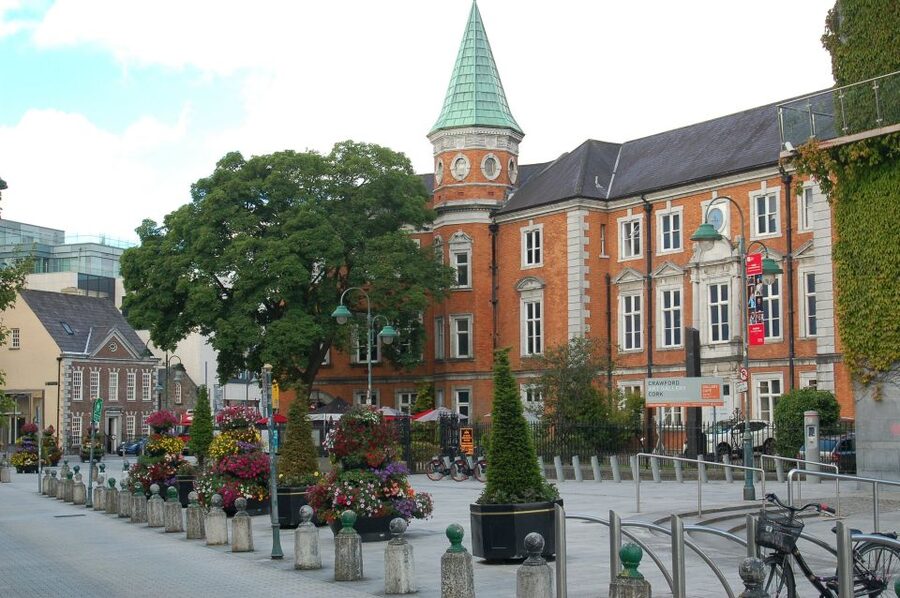
- Ancient waterways under the streets: you track the river’s path beneath the main thoroughfare
- Shandon Church as a Cork landmark: red-and-white bell tower and clockfaces dominate the skyline
- Carey’s Lane + the Huguenot cemetery: a quieter stop that adds depth to Cork’s past
- Nano Nagle and the footbridge named for her: education for the poorest classes is part of the story
- Grand Parade monuments: Bishop Lucy Park, Berwick Fountain, and the National memorial
- South Mall boathouse entrances: reminders of the city’s working relationship with the water
- English Market finish on Princes Street: a perfect handoff to lunch (your treat, not included)
Getting Oriented at Cork Tourist Information Centre
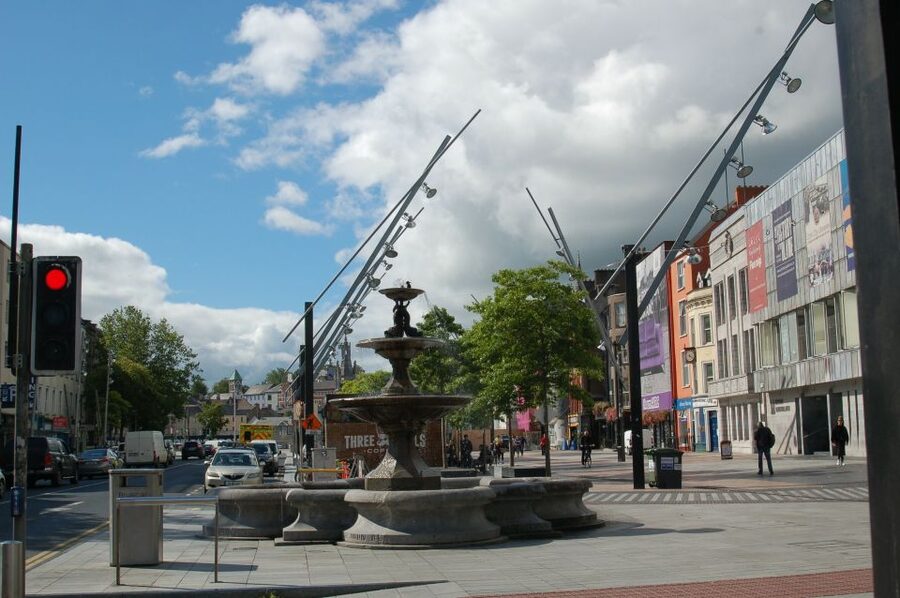
This is a straightforward, low-stress tour to start your Cork days. You meet at the Cork Tourist Information Centre and should arrive about 10 minutes early. From there, you’re with an English-speaking live guide for roughly 75 minutes, with no hotel pickup or drop-off.
The route is designed for value. For $26 per person, you get a guided loop through major sights in the centre—enough to give you direction for the rest of your itinerary. It’s also wheelchair accessible, which matters if you want a guided option that doesn’t rely on stairs-only landmarks.
Two timing notes to keep in mind: it’s scheduled on multiple starting times (check availability), and it runs in bad weather too. One more thing worth double-checking before you book: the info shows free cancellation up to 24 hours in advance, yet it also says the tour is non-refundable. If that detail affects your plans, confirm the exact policy at checkout.
Cork’s River Route Underfoot: Why the Streets Bend
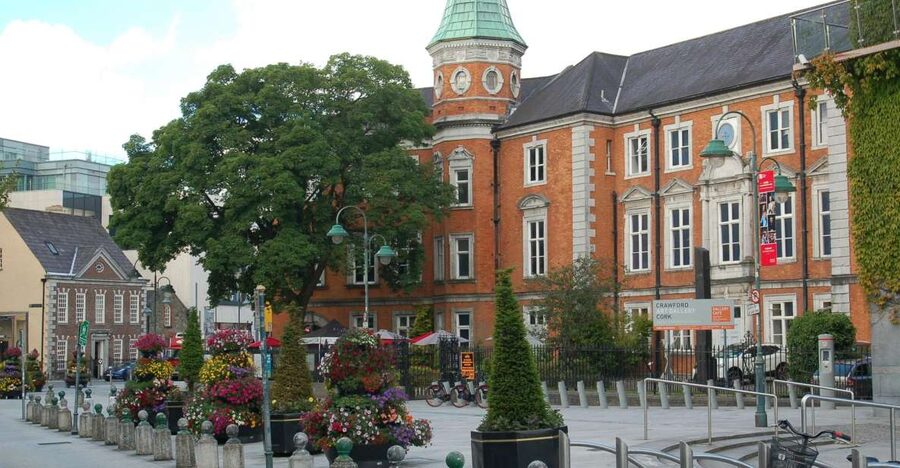
One of the best parts of this walk is the way it teaches Cork by geography. The guide has you following the route of the river beneath the curved main street, so you’re not just looking at buildings—you’re understanding the water system that shaped the city.
Cork is famous for waterways that don’t always look obvious once you’re standing in the middle of the street. This tour points out how earlier waterways meandered under the city, and it helps you make sense of those awkward little curves and angles you’d normally shrug at.
Think of it like a map you can walk on. Once you get the river’s logic, later stops start to click: bridges make more sense, historic trade locations feel less random, and the “why” behind certain architecture becomes clearer. It’s a small thing, but it changes how you experience the centre.
From Cork Opera House to Shandon’s Red-and-White Bell Tower
Early on, you’ll admire the Cork Opera House, a good visual anchor in the city core. Then you cross your attention to the other side of the river, where the skyline starts doing the storytelling for you.
Next up is Shandon Church, and yes, it’s as memorable as you hope. You’ll see its distinctive red-and-white brick bell tower and the clockfaces that make it stand out even from a distance. The tour approach is smart here: instead of just pointing at a landmark, your guide connects it to Cork’s character and long-running community identity.
This is also where you learn why the city’s maritime past matters. Cork wasn’t just a pretty place by the water—it functioned through movement, trade, and local industry. Seeing Shandon’s tower after you’ve already been taught about the river route helps tie the skyline to the city’s working life.
If you’re taking photos, give yourself a quick moment when you first get the view. The tower reads differently from different angles, especially with the river framing part of the scene.
Carey’s Lane and the Huguenot Cemetery: A Different Pace
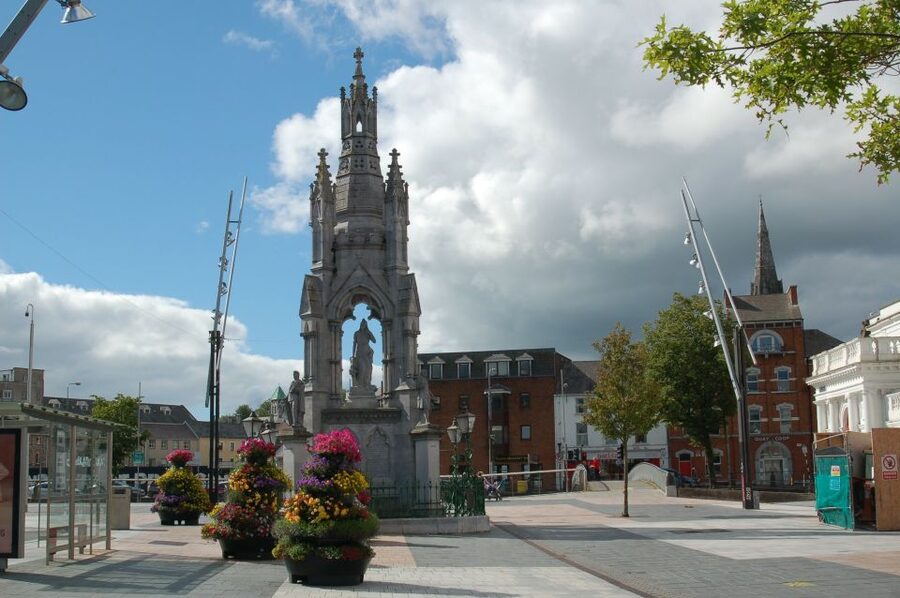
Not every stop here is a big, showy monument. A real mood change comes as you stroll down Carey’s Lane to visit the Hugenot cemetery.
This is a chance to slow down and absorb Cork in a more human way. Cemetery stops can feel heavy on a sightseeing day, but they often add context that you miss when your focus is only on buildings and views. Here, it supports the broader theme of Cork’s connections—people arriving, communities growing, and the city becoming shaped by waves of arrivals over time.
It’s also a useful break in the route. After busier streets and landmark clusters, the lane and cemetery give you a quieter pocket to reset before you move back into the trade-focused areas.
Coal Quay and Cornmarket Street: Where Trade Talk Becomes Real
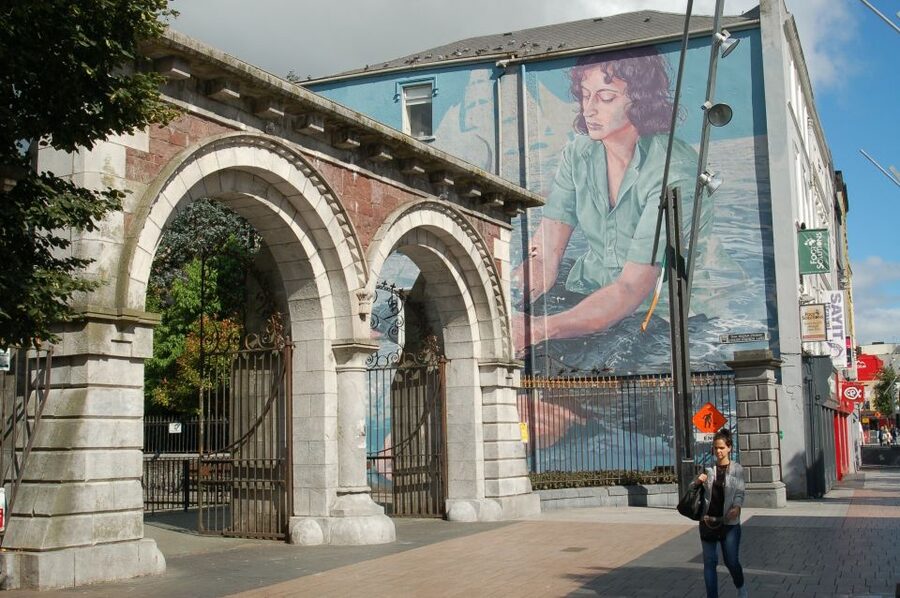
Then you head to Coal Quay and Cornmarket Street, two stops that fit the tour’s core storyline. The guide frames Cork as a transatlantic and European trading hub, and you’ll feel that emphasis in how the streets are explained.
This is the part of the walk that turns into “Oh, that’s why it’s called that” moments. Quays and markets weren’t just convenient locations—they were the physical systems that fed the city’s growth. When you hear about maritime trade while you’re walking near where the commerce would have happened, history stops being abstract.
From a practical standpoint, this section also helps you understand the layout of Cork’s centre. If you want to return later on your own, you’ll recognize the street pattern faster because your guide is tying the walk to functions—waterfront work, market activity, and the daily rhythm of trade.
Grand Parade Monuments: Bishop Lucy Park, Berwick Fountain, National Memorial
One of the highlights is walking along Grand Parade, described as the widest street in Cork. The street is wide enough that you can pick out landmarks from a bit of distance, which makes it easier to enjoy the view rather than just scanning for signs.
Along the way, you’ll see Bishop Lucy Park, the Berwick Fountain, and the National memorial. It’s a mix of civic and symbolic stops, and the guide uses them to show how Cork remembered its people and events over time.
This section also gives you a good sense of Cork’s layers: old-world trade roots, religious and social influence, and civic identity all mixed into the same walking loop.
If you enjoy learning how cities decide what to memorialize, this is the part you’ll probably talk about later. You’re not just collecting names—you’re seeing how the city points back to its values.
Nano Nagle’s Footbridge and St Finbar’s Cathedral
At some point on the walk, the tour brings in Nano Nagle, including her extensive humanitarian work to bring education to the poorest classes. You’ll also cross or notice a footbridge named in her honour, which makes the connection feel immediate rather than distant.
It’s a strong shift from maritime trade to social impact, and it’s one reason this tour doesn’t feel like a single-theme lecture. Cork’s identity isn’t only about ships and commerce—it’s also about people and community action.
From there, you’ll explore St Finbar’s Cathedral, which is another key landmark. The tour uses this stop to keep grounding you in place: the cathedral isn’t just a pretty building. It represents long-standing religious presence that helped shape how Cork organized itself through changes over time.
The rhythm of the route matters. You’re not sprinting from one attraction to the next. You’re getting enough narrative between stops that each place feels like part of one connected story instead of a checklist.
South Gate Bridge and Elizabeth Fort: Seeing the City Defend Itself
Next come South Gate Bridge and Elizabeth Fort, and this is where the tour adds a defensive, practical layer. Bridges are natural “in-between” points—your guide can explain how movement across the water worked, and why city planning needed chokepoints.
Then Elizabeth Fort gives you a chance to picture Cork as a place that had to protect its interests. Even if you don’t know the military details, the simple act of standing near a fort helps your brain understand why certain areas mattered.
This part of the walk is a good match for anyone who likes history explained in plain terms: not a textbook, but the kind of on-your-feet explanation that helps you picture how a port city stayed functional and safe.
South Mall Boathouse Entrances: Reminders of a Working Waterfront
In the leading business quarter known as South Mall, you’ll see remnants of former boathouse entrances. This stop is especially satisfying if you’re into the physical traces of history—the “here’s the evidence” moments.
After you’ve learned about the river and maritime trade, these entrance remnants feel like payoff. You’re no longer guessing that water mattered. You can point to remains of how boats and workspaces connected.
It’s also a reminder that Cork’s waterfront past wasn’t only long ago and far away. It’s built into the city’s current shape, even when it’s not obvious at first glance.
Finishing at Princes Street and the English Market
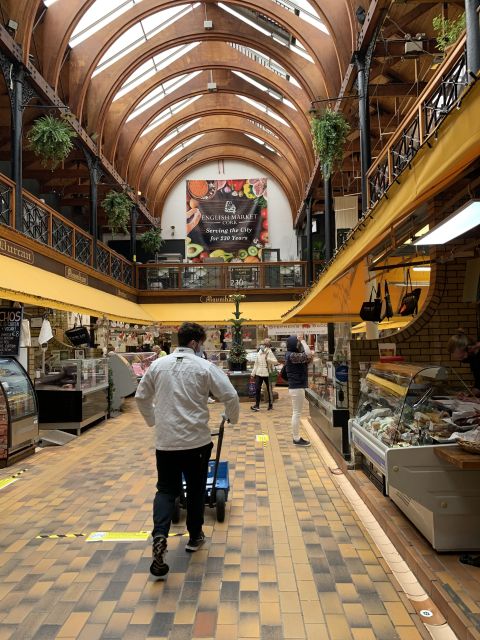
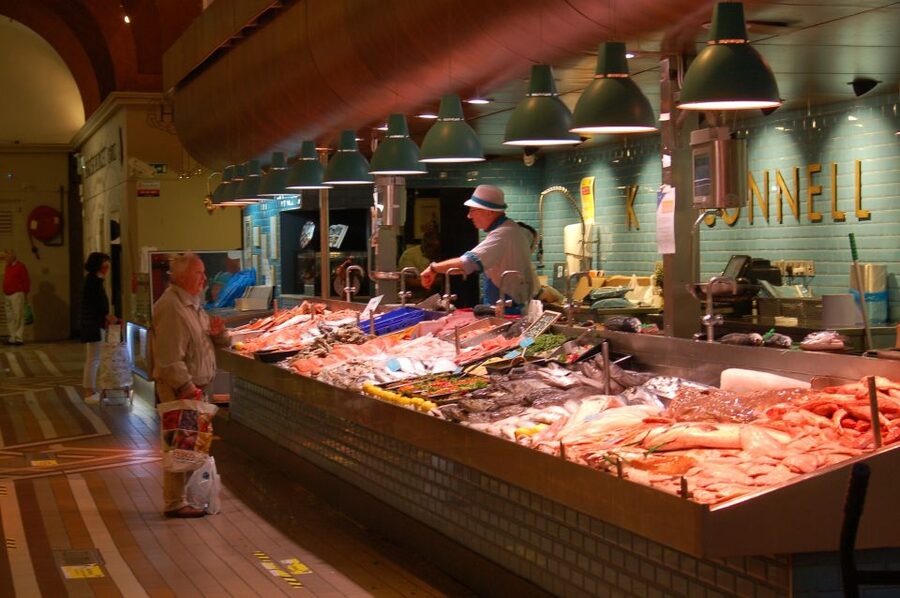
The walk ends at Princes Street, at the main entrance to the English Market. This is a smart finish for two reasons.
First, you’ll likely have worked up a proper appetite after walking Cork’s centre for about an hour. Second, you’re positioned right at one of the easiest next steps for the day—whether you want a snack, a meal, or just a browse before you move on.
Food and drinks aren’t included on the tour, so treat this as your transition moment: the guide gives you context, and then you handle the taste testing on your own terms.
If you like planning efficiently, this ending works. You can use what you learned to choose what to see next, and you don’t waste time hunting for your next landmark.
Price, Timing, and What This Tour Is Really Best For
For $26 per person and around 75 minutes, you’re paying for a guide to connect the dots fast. That’s the real value here. You’re not just walking past sights—you’re learning the logic that ties them together: river route, maritime trade, civic landmarks, and social stories.
The format also helps. Many groups can be larger than you want for conversation, but the tour is set up with a live guide system that makes listening easier. Some experiences include a headset microphone, which helps in a city setting where street noise can steal your attention.
This tour is a great fit if:
- It’s your first time in Cork and you want a strong orientation in a short window
- You want storytelling that blends monuments with everyday city explanations
- You’d rather walk and listen than pay museum time to get the background
It might not be ideal if:
- You hate walking outdoors for about an hour and a bit, since it runs rain or shine
- You want indoor stops or food included, since neither is part of this experience
Should You Book This Cork Historical Walking Tour?
Yes—if you want the quickest way to understand Cork’s maritime past and why the city centre looks the way it does. The blend of major landmarks (Shandon Church, St Finbar’s Cathedral, Elizabeth Fort) and smaller, meaningful stops (Carey’s Lane and the Huguenot cemetery) makes the 75 minutes feel efficient instead of rushed.
Book it early in your trip if you can. You’ll get names, street logic, and themes that help you choose where to return later. If your ideal day includes dry weather and minimal walking, pick a weather window and wear layers anyway.
FAQ
How long is the Cork guided historical walking tour?
The tour lasts about 75 minutes.
How much does the tour cost?
The price is $26 per person.
Where do I meet the guide?
You start at the Cork Tourist Information Centre, and you should arrive 10 minutes before the activity begins.
Where does the tour end?
The activity ends back at the meeting point.
Is there a guide and is the tour in English?
Yes. It includes a live tour guide and the tour language is English.
Does the tour include food or drinks?
No. Food and drinks are not included.
Will the tour run in bad weather?
Yes. It takes place rain or shine.
What should I bring with me?
Bring weather-appropriate clothing.
Is the tour wheelchair accessible?
Yes, the tour is wheelchair accessible.
What is the cancellation policy?
It lists free cancellation up to 24 hours in advance for a full refund, but it also notes that the tour is non-refundable. Check the exact booking terms before you purchase.
Is hotel pickup included?
No. Hotel pickup and drop-off are not included. You meet at the tourist information centre and return there.