REVIEW · MESSINA
2,5-Hour Messina Walking Tour
Book on Viator →Operated by DISCOVER MESSINA SICILY · Bookable on Viator
Messina rewards you fast, especially around Cathedral Square. In a tight 2.5 hours, you get a real local overview: the astonishing bell tower clock mechanics, a walk through rebuilt post-earthquake Messina, and a stop that connects to Sicily’s puppet tradition.
What I like most is the timing. The route is built so you can catch the cathedral bell tower show right at noon, when the figurines animate. I also like the mix of sights and culture, from Byzantine mosaics in the cathedral area to the Norman-Arab styling of Annunziata dei Catalani.
The one drawback to consider is that this tour can feel fact-heavy for people who prefer quick highlights. If you do not want long explanations for every corner, you may want to pace yourself and take the breaks when you get them.
In This Review
- Key things to know before you go
- A smart 2.5-hour format for seeing Messina’s core
- Meeting points and how the route keeps you from getting lost
- Cathedral Square and the bell tower clock show at noon
- Annunziata dei Catalani: an earthquake-survivor with Norman-Arab style
- Municipio di Messina and Galleria Vittorio Emanuele III: rebuilt elegance
- Cathedral of Messina and the Campanile: what to prioritize
- Puppet theater at Museo dell’Opera dei Pupi: a culturally weird, very Sicilian stop
- Churches beyond the cathedral: Mountain of Mercy, Saint Francis, and more
- Included tastings and the sweet finish that makes the walk feel complete
- Price and value: what $50.69 buys you in real terms
- The main drawback to plan around: focus level and pacing
- Who should book this Messina walking tour
- Should you book it?
Key things to know before you go
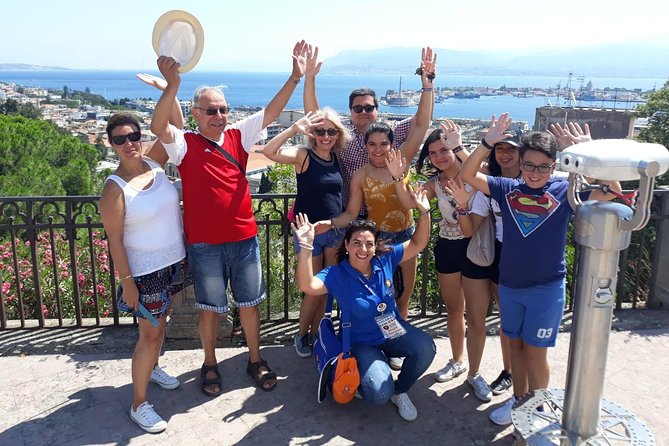
- Noon choreography at the bell tower: the tour is timed so you can see the clock show as it happens
- Byzantine mosaics and Norman-Arab architecture close together, so you can compare styles fast
- Post-1908 rebuilding shows up in the architecture as you move from grand squares to elegant streetscapes
- Museum time that actually matters: puppet theater history tied to the Gargano family
- Included tastings and a sweet finish (often cannoli), so you are not just walking and looking
- Small group feel with a maximum of 30 people
A smart 2.5-hour format for seeing Messina’s core
This walk is designed for people who want a compact, meaningful Messina intro without spending the whole day trying to map it out. At about 2 hours 30 minutes, you cover enough ground to feel like you understand the city’s layout, yet you still have time for your own wander after you finish.
Because this is a walking tour, I think it works best if you can handle city sidewalks and the steady pace. The tour notes say moderate physical fitness is expected, which usually means you should wear comfortable shoes and plan to move for the full time window.
You will also benefit from the guide format. This is a professional guided experience with an audio setup offered in reviews, which matters in Messina’s busy street noise. If your group uses headsets and a microphone (as multiple guides did in past tours), you can actually enjoy the explanations instead of constantly asking What did they say?
Meeting points and how the route keeps you from getting lost
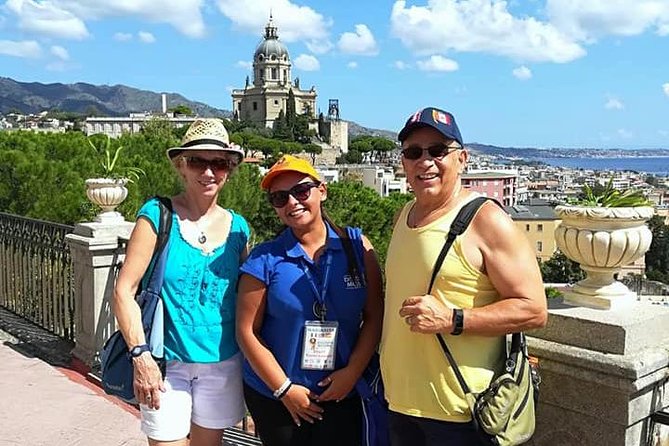
You have two ways to join: you can meet at the Port of Messina (Via Vittorio Emanuele II, 27) or arrange pickup at your hotel if you are not starting from the cruise port. The tour end is in the historic center, ending on Via G. Garibaldi, 111, roughly two minutes from the original departure point.
That end location is a practical detail. After the tour, you are still near where you started, so it is easier to regroup for your next plan (lunch, photos, or a bus back). For cruise days, the meeting point at the port also helps you keep control of time.
Weather is another real-world factor. The tour operates in all weather conditions, so you should dress for rain and wind if the forecast looks sketchy. Messina can do quick mood swings, and a covered church stop or a pause for the bell tower timing only works if you show up ready to walk.
Cathedral Square and the bell tower clock show at noon
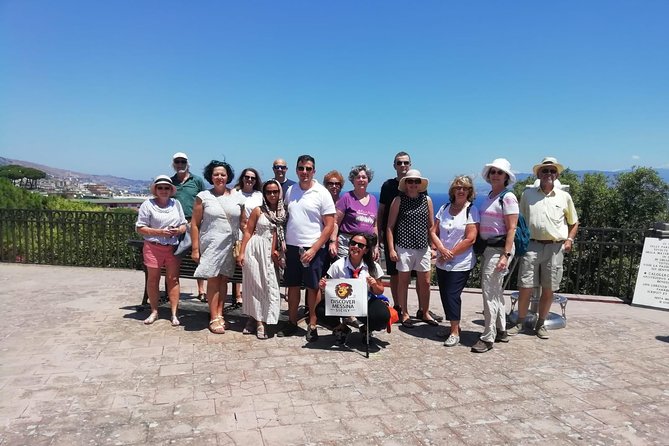
This is the moment most people remember: the stop around Cathedral Square and the cathedral bell tower with the largest astronomical clock in the world. The clock is not just a pretty face. It is a complex mechanism built by a pair of brothers from Strasbourg, which turns the show into something that feels technical and historical at the same time.
What makes this stop valuable is timing. The tour experience is structured so you can see the animated performance at 12:00. Multiple guide accounts highlight this as a major win because it is easy to miss on your own. If you arrive late, you can easily miss the animation and end up only seeing the tower.
When you are at Cathedral Square, focus on what the guide points out. You are likely looking at both the clock area and the surrounding architecture in a short window. If you like moments with a clear payoff, this is the one.
Annunziata dei Catalani: an earthquake-survivor with Norman-Arab style
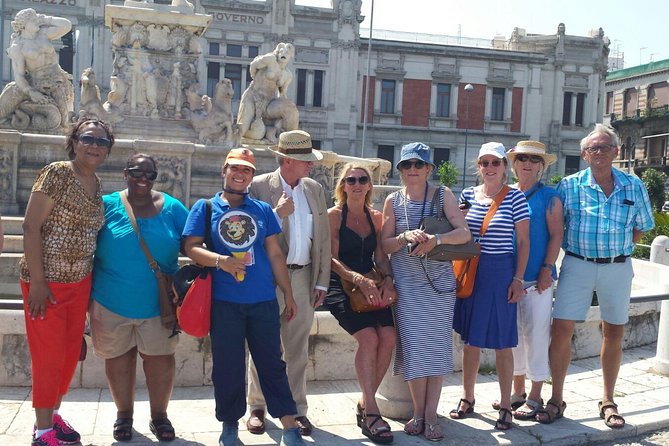
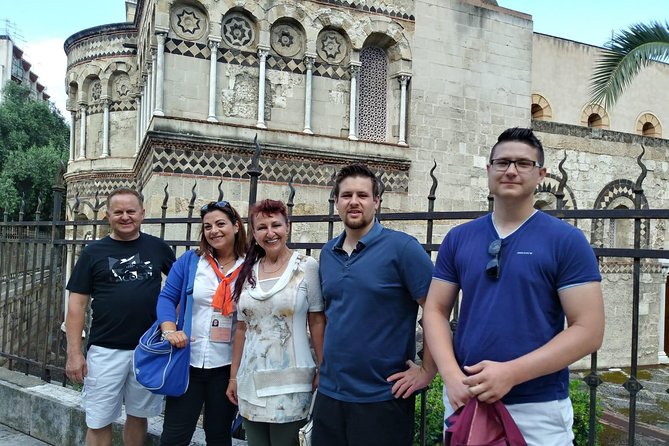
Next comes Annunziata dei Catalani Church, one of the key monuments in this route. What stands out here is not only style but survival: the church is described as resisting earthquakes and the fury of wartime bombs.
Architecturally, it is an exquisite example of Norman-Arab architecture. That combo can sound like a buzzword until you see it with context. This is the sort of church stop where the guide can help you notice what features come from which influence, so you understand why it is special rather than just appreciating it from a distance.
In a short 10-minute stop, you are not trying to “master” the building. You are trying to spot the character of it. If you are photo-minded, bring a quick shot plan: exterior details first, then a look inside if time allows.
Municipio di Messina and Galleria Vittorio Emanuele III: rebuilt elegance
As the tour moves through the city center, you get a window into how Messina rebuilt after the 1908 earthquake. The Municipio di Messina stop is described as the biggest palace ever rebuilt after that disaster. That gives the city a deeper narrative than just “pretty old buildings.”
Then you transition to a different mood with the Galleria Vittorio Emanuele III. This is an elegant arcade with construction dated between 1924 and 1929, designed by architect Camilo Puglisi Allegra. It is the kind of place where the city feels like it wants to be stylish and human-scaled at the same time.
In a quick 10-minute stop, your goal is to look up and take in the space. Arcades like this often work best when you shift from street-level thinking to “walk-through architecture” thinking. Even if you do not stop for shopping, you can still enjoy the feel of the gallery.
Cathedral of Messina and the Campanile: what to prioritize
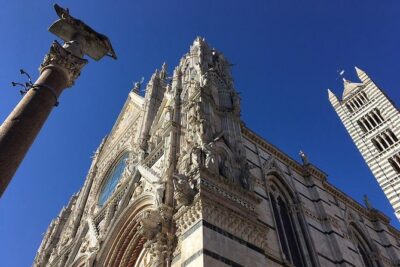
The tour then centers on the Cathedral of Messina, described as the city’s most important monument, with a planned 20-minute visit time. You will see Byzantine mosaics during this stop. That matters because mosaics are not always easy to notice quickly if nobody gives you a sense of what to look for. With the guide, you can focus on the figures, patterns, and the way light plays on the surfaces.
After that, the Campanile del Duomo di Messina is one of the headline sights. Even if you think you already “know what a bell tower is,” this one comes with the clock connection and the performance aspect earlier in the day. In other words, you are not seeing it in isolation. You are seeing it as part of a system: architecture, timekeeping, and showmanship all linked together.
If you tend to burn out on too many monuments in too short a time, this is the one stop where slowing down helps. Take a minute to orient yourself so the mosaics and tower feel connected rather than like separate checkboxes.
Puppet theater at Museo dell’Opera dei Pupi: a culturally weird, very Sicilian stop
One of the most praised included stops is the Museo dell’Opera dei Pupi Rosario Gargano. Admission is included, and the museum focuses on part of the Sicilian puppet collection preserved by the Gargano family since the earliest years of the 19th century.
This is a cultural detour that feels genuinely local. Sicily has a tradition of storytelling through puppets, and these are not just hobby items behind glass. They represent a craft world with lineage, and that is why people react strongly here—either it clicks instantly or it feels a bit odd, depending on your taste.
The best way to enjoy it is to approach it as living heritage, not as a random museum stop. Ask yourself: what makes puppet theater a serious art form here? In a short 15-minute slot, you will not master the full history, but you can still leave with a sense of why the craft mattered to families and communities.
Churches beyond the cathedral: Mountain of Mercy, Saint Francis, and more
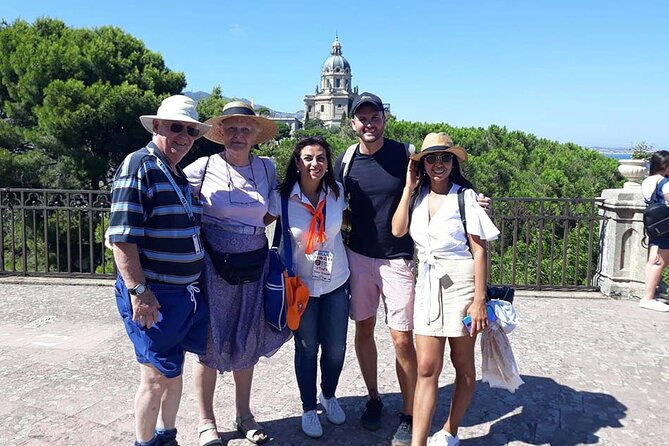
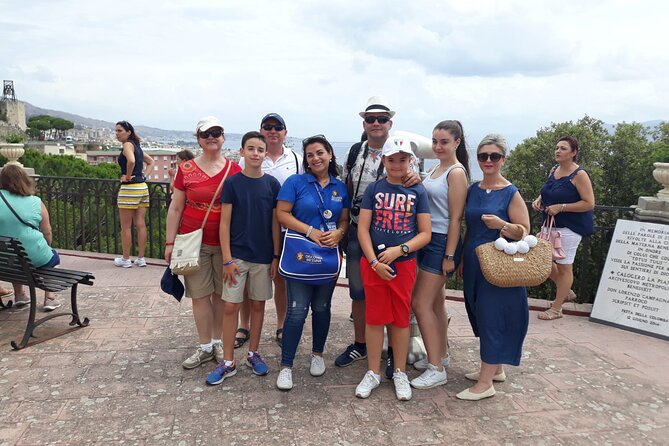
After the core cathedral area, you get a sweep of other stops that broaden the story of Messina beyond its main square.
You will pass or stop at:
- The Mountain of Mercy
- The Church of Saint Francis of Assisi, noted as dating back to 1254
- Votive Temple of Christ the King
- Sanctuary of Madonna of Montalto
- The Four Fountains
Here’s the practical point: many of these are quick, guided “see it, understand it” stops. The tour format favors movement and orientation over long stays. That is why some people love the variety, while others feel the walking is doing more work than the pauses.
If you like spiritual sites for their architecture and historical layering, this section adds texture. If you are chasing only the absolute biggest set pieces, you might treat these as short photo moments with a bit of guided context.
Included tastings and the sweet finish that makes the walk feel complete
This tour includes a tasting of typical Sicilian products plus the museum entry. You are not getting a full meal, so think of it as flavor sampling, not lunch.
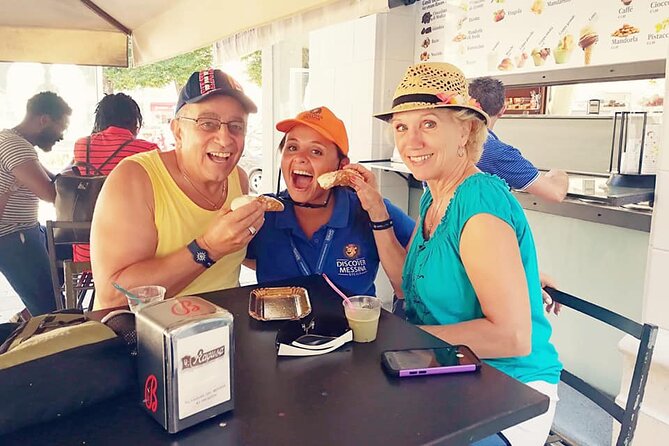
Reviews repeatedly mention cannoli as the highlight of the sweet stop. Some accounts even describe finding the cannoli at the end after a bakery or gelato stop. Either way, the strategy makes sense: after a lot of standing, looking, and walking, you get a reward that is easy to enjoy without having to make a decision while your energy is fading.
I like this choice because it keeps the tour from turning into a pure sightseeing slog. Even if churches and clocks are your thing, a snack anchor helps the tour feel balanced.
Price and value: what $50.69 buys you in real terms
At $50.69 per person for about 2.5 hours, the price looks fair when you compare what is included and what is time-sensitive.
You get:
- A professional guide
- A typical Sicilian product tasting
- Entrance fee to the puppet theater museum
- A structured route that includes the noon clock show timing (the part that is hardest to DIY)
That last point is the value multiplier. Catching the clock performance at the right time is a big deal in a city where you do not always know what’s happening minute-to-minute. A well-timed guide can save you from the common vacation problem: showing up to something famous and empty-handed because you missed the moment.
If you want to self-tour, you might spend less on paper. But you would still need to line up the timing, figure out what to prioritize, and pay museum admission. For many people, this tour ends up being simpler and less stressful, especially on a short port visit.
The main drawback to plan around: focus level and pacing
There are a few reasons this tour might not fit every style.
First, it can lean into history and detail. If you prefer short explanations and lots of free time, you may find the narration runs long at some stops. A common complaint is that certain points get heavier than needed, especially for people who just want quick highlights.
Second, this is a popular walking route. Some accounts mention that if you are in multiple groups operating at once, the end area can feel a bit crowded when people converge. That does not ruin the tour, but it is good to know if you dislike bunching up at the finish.
My advice: go with a plan for how you like to travel. If you enjoy stories and want a coherent overview, you will probably feel like you got your money’s worth. If you want minimal talk, bring patience or choose a different style of experience.
Who should book this Messina walking tour
Book it if:
- You want a fast intro to central Messina without planning each stop
- You care about the cathedral area and want the noon bell tower show
- You like a cultural mix: mosaics, Norman-Arab architecture, and puppet theater
- You appreciate a guide who can connect buildings to the city’s changing story
Consider skipping or swapping if:
- You dislike long historical explanations at each stop
- You want neighborhoods and side streets far from the core landmarks (this route stays centered)
- You prefer a slower pace with more rest stops
This tour is also a good fit for cruise visitors who want structure and an easy return. If you are not on a cruise, pickup options can still save time and reduce stress.
Should you book it?
Yes, if your main goal is a high-impact Messina overview in a short window, especially around the cathedral clock show. The included puppet museum stop and the tastings make the experience feel more complete than a standard “look and walk” tour.
I would book this sooner rather than later if you are visiting around midday. Timing is a big part of the payoff here, and the whole route is built around making sure you catch that moment on schedule. If you love details, you will likely come away with more than just photos. If you prefer quick stops, plan to treat some explanations like optional reading rather than required homework.